


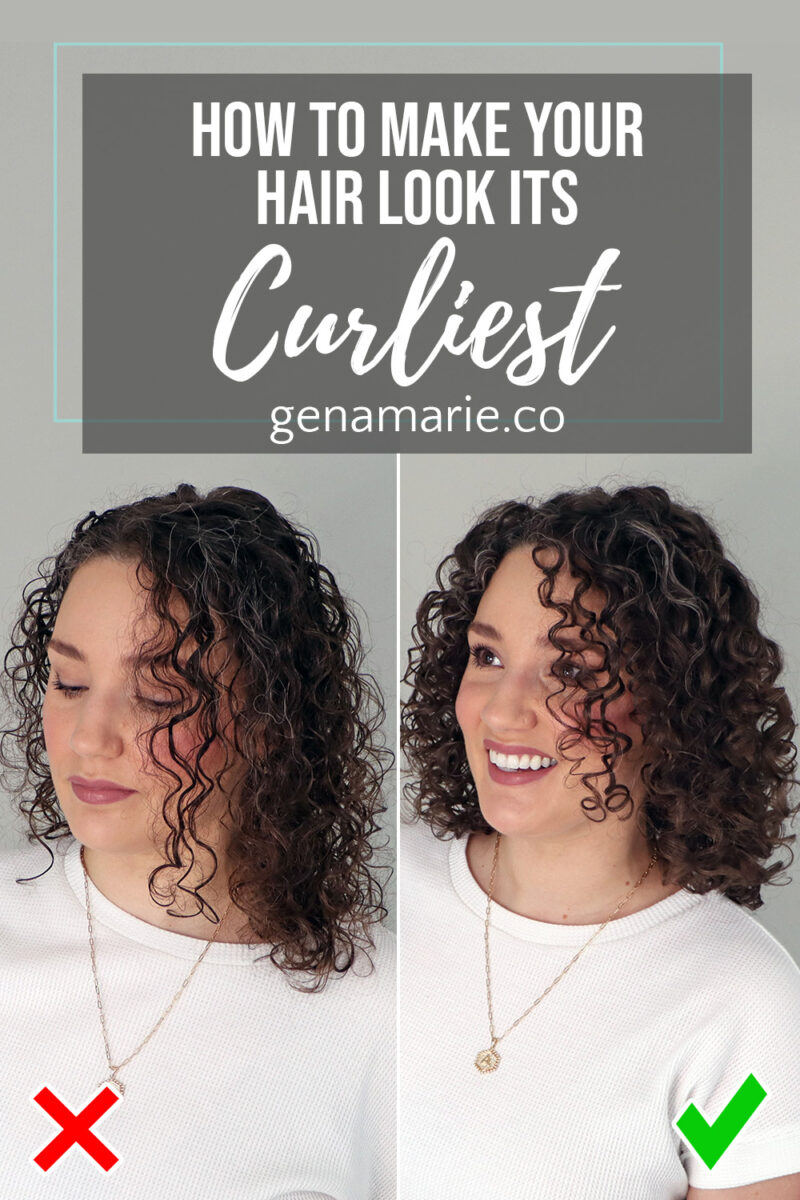

How to Make Your Hair Look Its Curliest (Without Forcing It)
If your curls aren’t curling up the way you want and you’re starting to feel frustrated or ready to give up, it’s probably not your

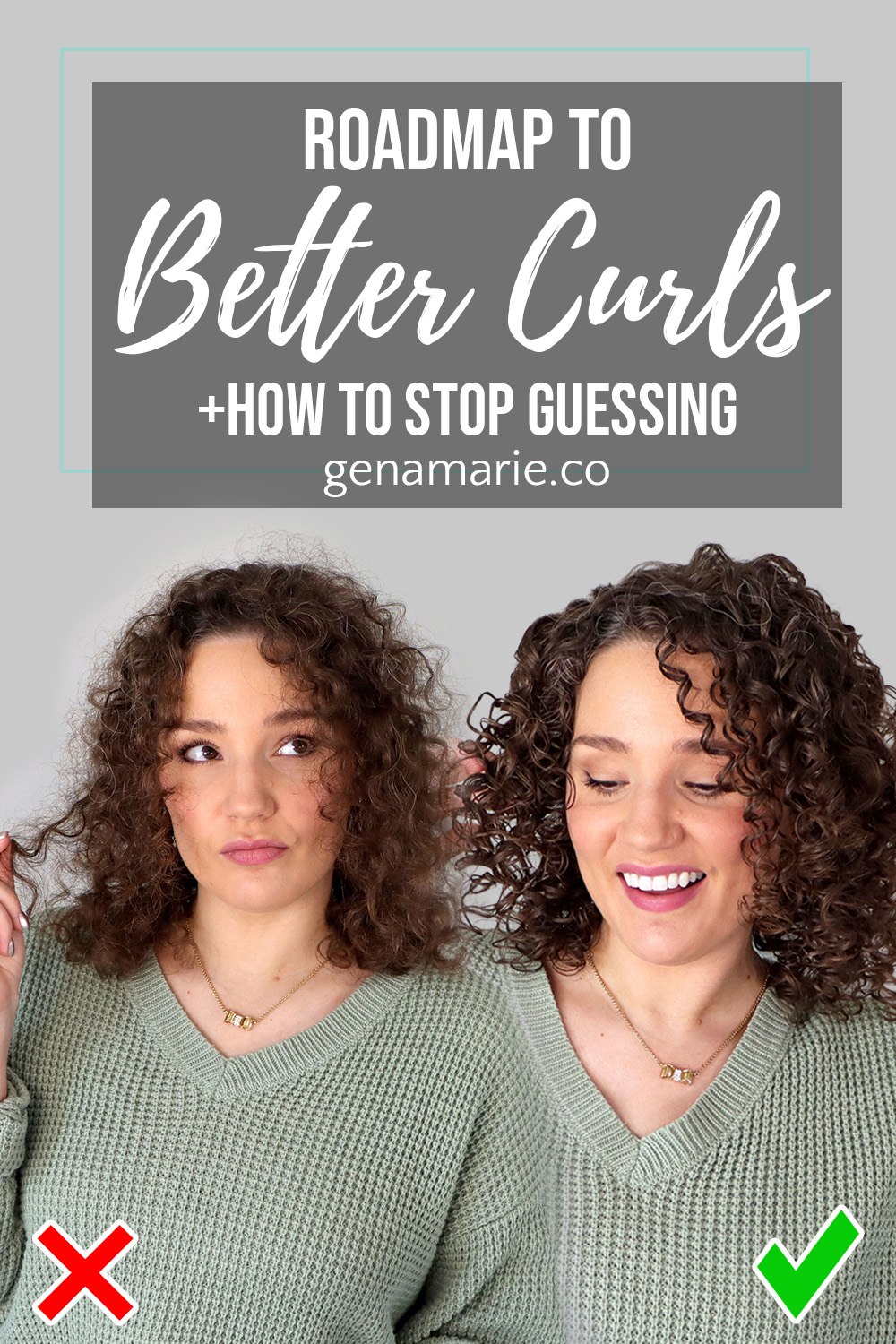
It’s 2026 — and we’re done with inconsistent curls, results we hate, and constant frustration.
If you’re tired of never knowing how your hair is going to turn out, this is the year to stop guessing and finally get your curls on track.
This post walks you through a clear, practical roadmap for getting organized, learning your hair, and making adjustments that actually lead to better results. It’s not a miracle routine, and it’s not about constantly switching products. It’s about approaching your curls with intention.
I’ll reference the same routine I demonstrated in the video version of this roadmap, but this post is written to help you understand what to do and why, step by step.
This is the same high-level framework I use to get new clients organized when they join my program — simplified so you can try it on your own first.
Most people assume inconsistent curls mean something is wrong with their hair.
In reality, inconsistency usually comes from:
Better curl results don’t come from better products. They come from a better way of evaluating what’s happening.
Rotation is where a lot of people get tripped up before they even begin. When people hear that they should rotate products, they often assume everything needs to change every wash day. That’s where routines start to feel messy and overcomplicated.
Rotation should start with wash day decisions, not stylers.
Some rotation is normal and necessary, especially when it comes to cleansing and treatments. For example:
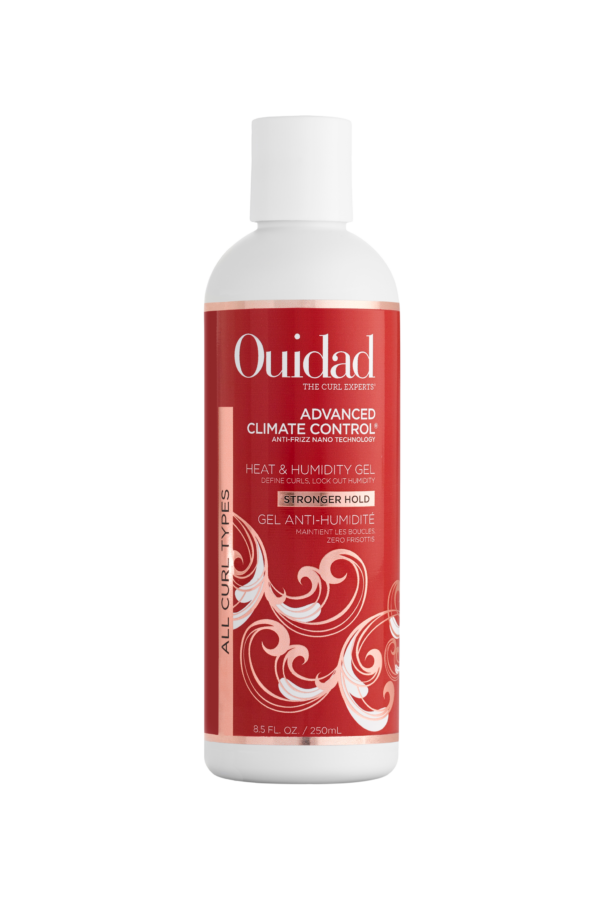
Climate also plays a role. If you live in a dry climate, you may need to increase conditioning slightly. You can still prioritize strong hold, but you may be able to get away with lighter conditioning products during this time. If you live in a very humid climate, you’ll usually want to reduce excess conditioning and focus on humidity-resistant, strong-hold gels. Those same strong-hold gels also work well in dry climates.
These are small, intentional adjustments, not full routine overhauls.
Where people get stuck is when they take the idea of rotation and apply it to everything. Stylers, combinations, and techniques start changing every wash day, which makes it impossible to evaluate results.
Your core stylers, your application method, and your drying approach should stay consistent. The goal of this step is organization.
Before you can evaluate anything, you need to know what you’re doing on wash day and why — without rotating your entire routine every time.
If you need help deciding on your wash day rotation, download my free Wash Day Schedule & Guide here. This gives you a good baseline for which days to rotate your regular shampoo with clarifying shampoo and how to incorporate your treatments.

This is where I see most new clients in my Curl Coaching Program struggle. They’re doing a lot, but there’s no strategy behind it. They react to how their hair looks that day. They change multiple things without understanding why. It turns into trial and error, but not in a useful way — more like “throwing spaghetti at the wall to see what sticks.”
They’re following a routine every wash day, but they’re not actually learning anything from it.
They don’t know:
That’s what guessing looks like. Testing properly is different.
I see this all the time with new clients — they’ll tell me their hair didn’t turn out, so they used more product, diffused longer, switched stylers, and added a cream, all in the same wash day. At that point, there’s no way to tell what actually helped or hurt.
Testing means changing one thing on purpose, not out of frustration. Most of your routine stays the same, and you’re trying to answer a specific question instead of hoping for a different outcome.
When everything changes at once — water level, product amount, technique, timing — there’s no way to tell what caused what. You can’t learn cause and effect when nothing stays the same long enough.
A lot of frustration comes from expecting one wash day to give you answers.
One bad wash doesn’t mean something is wrong with your hair or your routine. One good wash doesn’t mean everything is suddenly perfect.
Patterns don’t show up after one wash. They show up over time. Patience matters, especially when you’re in a testing phase.
In practice, that means paying attention to:
One wash doesn’t equal truth. Patterns do.
A big reason people feel stuck is because they’re relying on memory.
After a few wash days:
That’s why tracking matters. Tracking simply means capturing what happened so you’re not guessing later.
This can be done in simple ways:
But this is where most people get stuck: they don’t know what to track, which details matter or they don’t know how to describe what they’re seeing or feeling.
Many people just say, “I don’t like my hair,” without knowing why they don’t like it. When I ask people what specifically they don’t like — whether it’s frizz, lack of hold, softness, roughness, or volume — most can’t answer, which is why tracking details matters. That’s where guidance makes a difference.
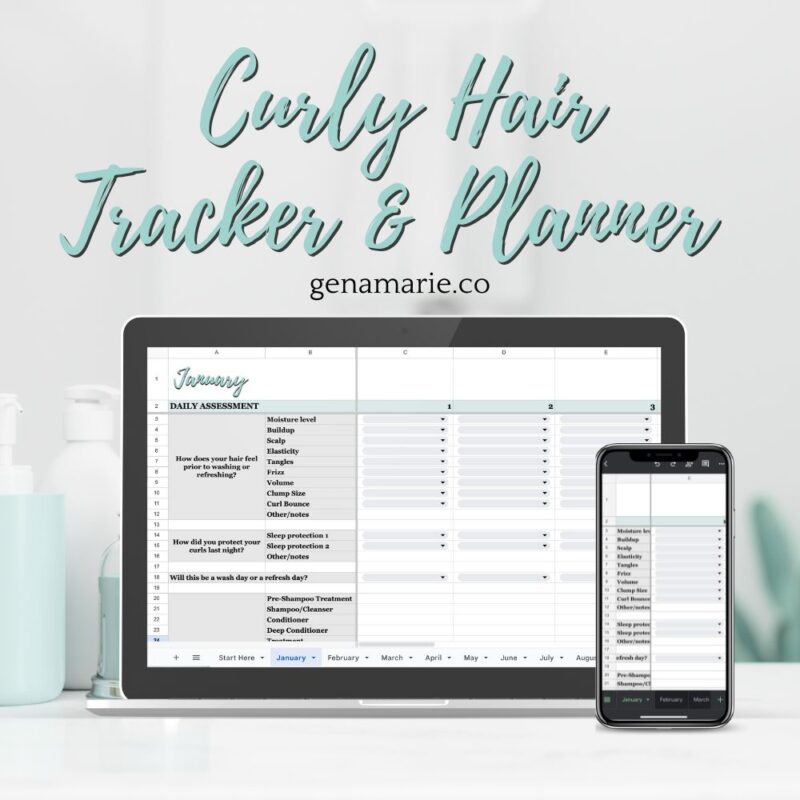
This issue is exactly why I created the Curly Hair Tracker & Planner.
It’s not just a place to write things down. I ask you questions within the tracker which actually guide you through:
There are prompts that ask about how your hair looks and how it feels — things most people wouldn’t think to track on their own. That’s what helps patterns show up faster and more clearly.
You don’t need to track perfectly. You don’t need to track forever. But you do need some way to see what’s actually happening instead of relying on memory or vague feelings.
You can’t change what you don’t measure.
❌ Stop Starting Over Every Time
✅ Start Making Small, Intentional Adjustments
This is where a lot of people get stuck.
They’ve organized their routine.
They’ve tested intentionally.
They’ve given results time.
They’ve tracked patterns.
But they’re still not happy with their hair — and they don’t know why.
Instead of making a small adjustment, they start over. They scrap the routine, change multiple products at once, or assume something “isn’t working” and go back to square one.
At this stage, the goal isn’t to keep changing things. It’s to decide whether you can interpret what you’re seeing and confidently choose the next adjustment.
If you can, you keep going.
If you can’t, that’s usually the point where guidance saves more time than continuing to guess.
Some people don’t need to think this deeply about their hair — it turns out well without much effort, and that’s great. But when someone is dealing with ongoing problems or inconsistent results, figuring out why requires organization, patience, and attention to detail.
Not everyone enjoys that kind of problem-solving — and that’s okay. Needing help here doesn’t mean you failed. It just means guessing isn’t going to get you unstuck.
The goal isn’t perfection. It’s progress — without starting over every wash day.
In the video, I styled my hair using my usual wash day routine while talking through the roadmap for getting consistent curl results.
The routine itself is not the focus of the video. It’s included to show how the roadmap applies in real life — with intentional choices, consistency, and clear evaluation.
For this wash day:
This roadmap only works if you evaluate results. After a wash day, the goal isn’t perfection — it’s information.
Key things I look at:
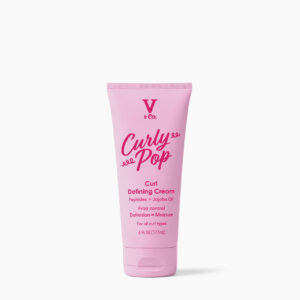
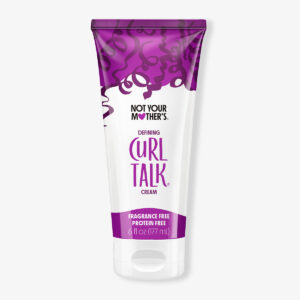
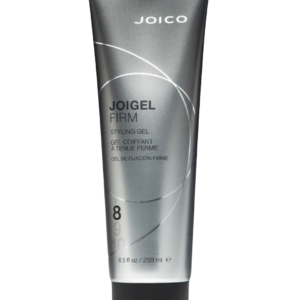
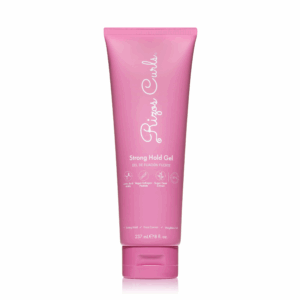
Once my hair was dry, I had a solid cast, which was a good sign. I didn’t notice less cast than usual, even with the curl cream layered under the gel. The curls were very defined, but looked slightly more moisturized than I typically see on day one, which is expected with this gel since it’s very conditioning.
Overall, I liked the results. Definition was strong, but volume was a bit lower than normal. Given that both products are on the heavier, more conditioning side, that wasn’t surprising. At this point, there wasn’t enough information to decide whether the combo worked long-term — which is why day two matters.
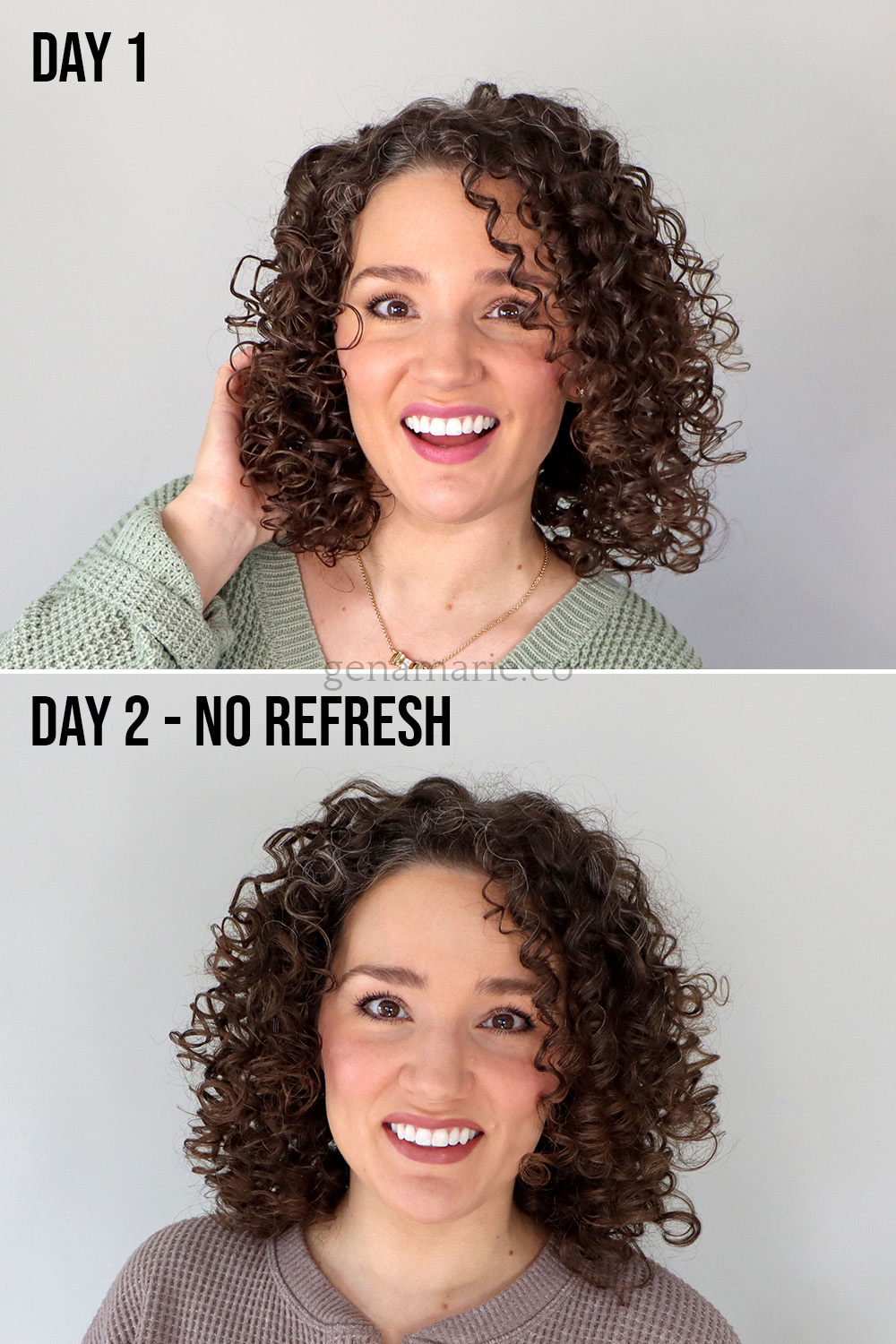
Wash day results are only part of the picture. Day 2 often tells you more about:
On day two, I noticed slightly more frizz and a bit less hold than I usually get when I use this gel on its own. My hair also felt flatter through the crown and front, which I attribute to the added conditioning from the curl cream.
That said, the hair still looked good overall. I was able to fluff it out, and the curls held their shape reasonably well. The front pieces I finger-coiled looked especially good, which reinforces why I use that technique for higher-frizz areas.
The comparison is what mattered most. When I use this gel alone, I typically don’t need to do anything on day two. With this combination, the extra conditioning slightly reduced longevity and hold. That doesn’t mean the combo was bad — it just points to a small adjustment.
If I were to test this again, I wouldn’t scrap the entire routine. I’d either reduce the amount of curl cream or remove it altogether while keeping everything else the same. That’s how you get answers instead of starting over.
If you want better curl results in 2026, you don’t need more products. You need a better way to evaluate what’s actually happening.
Some people naturally enjoy tracking and problem-solving, while others don’t — and that’s okay. What matters is having a system that helps you stop guessing.
If you want to test products more effectively, documenting your results matters. I use my Curly Hair Tracker to track first impressions, next-day results, and long-term patterns. Keep in mind, you don’t have to track forever, but it can be very helpful if you are testing new products, experiencing problems and want to track patterns.
If you want just a super simple calendar to just help with your shampoo and treatment rotation, download my free Wash Day Schedule.
And if you reach a point where you feel stuck or unsure what to adjust next, that’s where Group Coaching Program can help. Either way — guessing isn’t the move anymore.

If your curls aren’t curling up the way you want and you’re starting to feel frustrated or ready to give up, it’s probably not your

If you’ve tried “strong hold” gels but your curls still don’t last, you’re not alone. Strong hold isn’t one-size-fits-all. Some gels are higher in texture
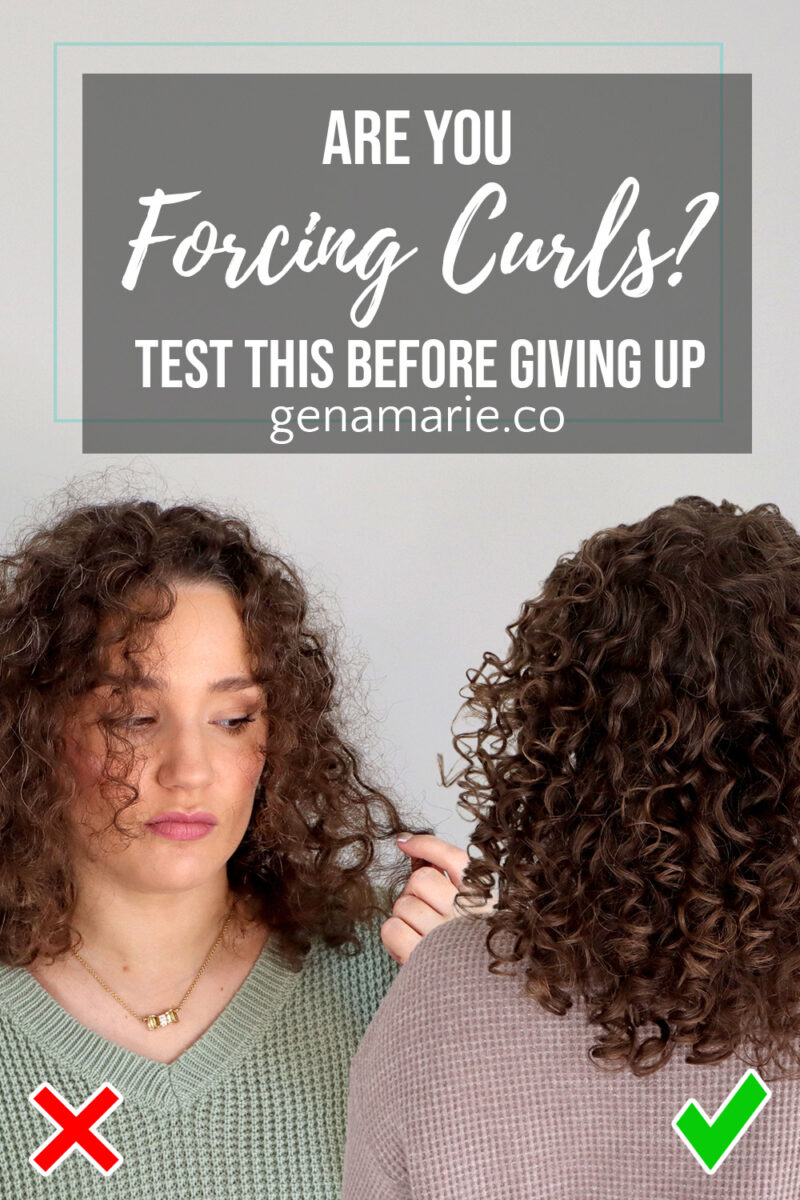
Feeling discouraged, frustrated, or unsure whether wearing your naturally curly or wavy hair is even worth it? If you’ve been following this Beginner Curl Series,
If you’re trying to wear your hair curly and you feel like you’re doing everything right but your hair still doesn’t look how you want,
Notifications