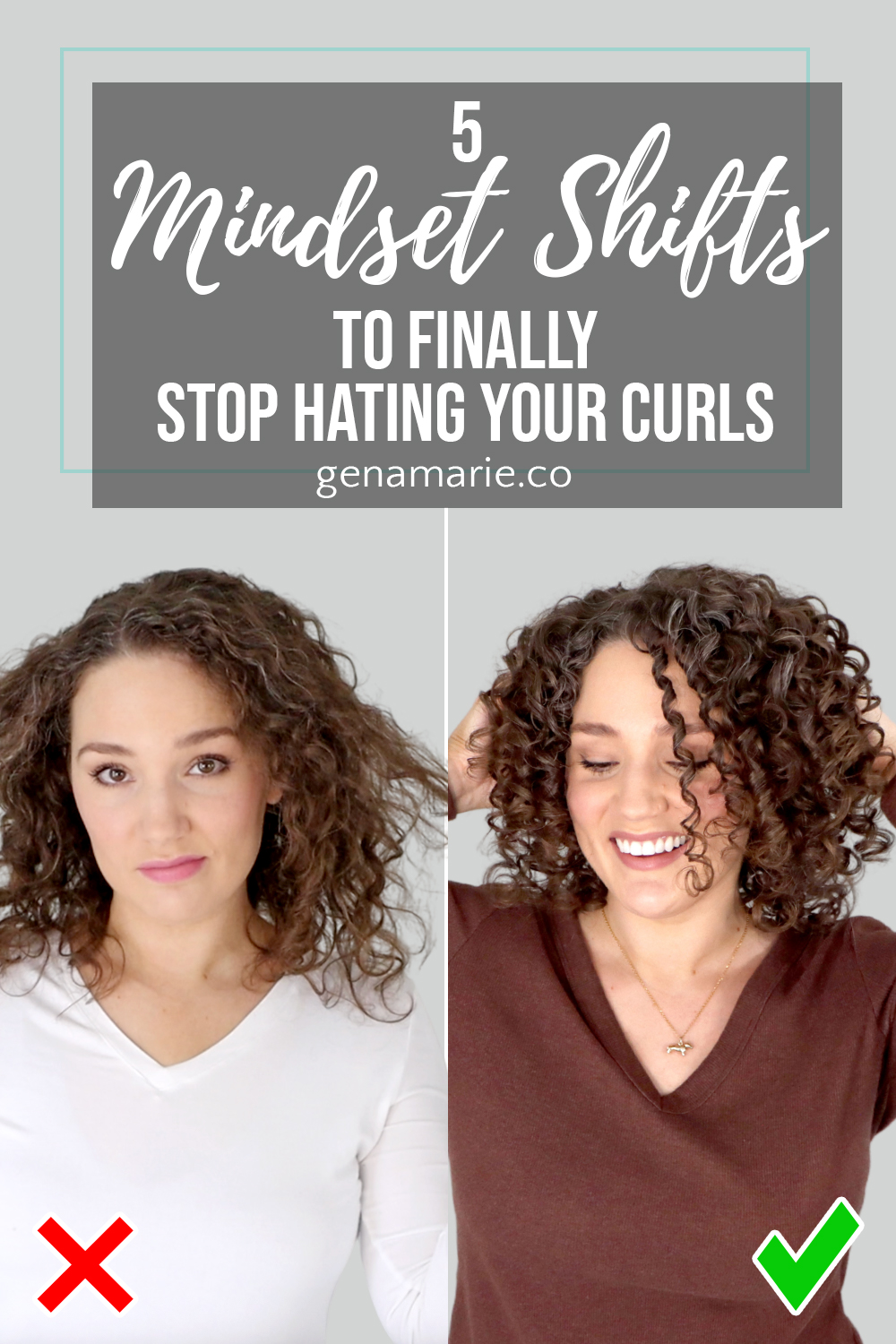
5 Mindset Shifts to Finally Stop Hating Your Curls + Simple Double-Gel Routine
If you’ve ever felt frustrated with your hair or caught yourself thinking, “I just have bad hair,” “Nothing ever works for me,” or “My curls won’t cooperate,” this is going to help you see things differently.
These are the exact thoughts I hear from new clients. And after coaching hundreds of women inside my Group Curl Coaching Membership, I can confidently say:
Your hair isn’t the problem — your mindset is.
Learning your curls is so much more than technique. It’s the way you interpret your hair, respond to challenges, and understand what’s actually in your control. Based on the recurring transformations I’ve seen, here are the five mindset shifts that finally help people stop hating their hair and step into true curl confidence.
I’m also walking you through the simple routine I used in the video — including the gel combo I tested, how I applied it, and how the results turned out on wash day.
❌ “I just have bad hair” ✅ “I just haven’t been taught to properly care for it.”
This is the first belief almost everyone comes in with. Whether they’ve experienced breakage, thinning, hormonal hair shifts, damage, or simply loose curls that feel unpredictable, people assume their hair is inherently bad or beyond help.
Many also believe they need to “fix their hair first” before they can get results — or that curly hair is just too much work. The truth is usually the opposite. Most “bad hair days” come from:
techniques that don’t suit your hair
the wrong product categories
skipping foundational steps
lack of hair knowledge, not lack of ability
Inside my curl coaching membership, this is the first thing that shifts. Once clients learn the right information — and understand what their hair actually needs — their results improve quickly, even when damage recovery is part of the process.
❌ “My hair is frizzy/flat/dry no matter what I do” ✅ “I need to understand what is and isn’t in my control.”
This mindset is all about awareness, and it shows up constantly:
“I don’t know if this is dryness, buildup, humidity, or damage.” “I’ve tried everything — but I still don’t like how it looks.”
This happens because most people haven’t learned how to identify why their hair looks a certain way. They’re unhappy with the result, but they’re guessing at the cause.
Awareness means understanding the difference between things you can control — like technique, product amount, water ratios, clarifying frequency, and styling method — and things you cannot control — like genetics, density, curl pattern, or humidity .
Once you let go of what you can’t change, you can finally focus on what you can. And that’s where your hair starts to transform.
❌ “Nothing works for me” ✅ “I just need the right strategies to problem-solve.”
Most people try something once, it doesn’t work exactly how they hoped, and they conclude their hair “refuses to cooperate.” They jump around and try something new every wash day, and have no idea what is working and what is not.
But curly hair isn’t about magic products — it’s about cause and effect. I often hear: “I tried that product one time — it didn’t work.”
But one wash day doesn’t tell the full story. You haven’t worked the problem until you’ve isolated the variables and adjusted the things within your control.
This is why I often tell clients to treat their hair like a science experiment: change one thing at a time, observe the outcome, and adjust accordingly.
Most people haven’t worked through these steps or struggle to do so on their own— so they’ve never actually seen their hair’s full potential. You just need the right guidance
❌ “If I do everything right, my hair should look like my dream hair” ✅ “I need to determine MY hair’s full potential.”
Even after someone masters technique, they often ask the same question:
“Is this as good as it gets?”“I still want more [volume/tighter curls, etc].” “I’m still not happy with it.”
This is where comparison creeps in. People see a certain curl pattern or volume level online and assume that if they just nail the right product/technique/routine, they can replicate it.
But every head of hair has a blueprint — density, pattern, texture, and growth characteristics we cannot change.
You can absolutely improve your hair. But you cannot make low-density hair behave like high-density hair — and there is no product on earth that will permanently tighten your curl pattern. Determining your own hair’s full potential is about:
ruling out all controllable factors
pulling every “lever” you can
noticing consistent patterns
and understanding your trade-offs
Volume vs. definition, softness vs. hold — each comes with a choice.
This is the shift that leads to peace. It’s when you stop chasing someone else’s hair and finally evaluate your own hair on its own terms.
“Choose your hard.” If you don’t like the reality of your natural hair blueprint… what’s the alternative?
Go back to straightening it every day? Managing constant damage? That path is hard too. This is where acceptance really becomes empowering. You get to “choose the hard” that supports your hair and your confidence.
❌ “My problems are unique” ✅ “Curl principles apply to everyone — I just needed the right guidance.”
This belief stops people from getting help more than anything else. People often say things like:
“My hair is too complicated.”
“I need someone with my exact curl type.”
“My hair is different — group coaching won’t help me.”
But after a year of leading the group programs, the truth is clear: most people struggle with the same 3-5 issues — regardless of curl type, density, age, or hair history. Do you know how many times a day I repeat myself when checking in with my clients and responding to messages on my social media?! 😉
Many of my clients often don’t even know what questions to ask until they hear me troubleshoot someone else’s routine. That exposure is what finally makes things click.
Curl principles don’t change. The amounts, frequency, and adjustments do — but the foundation is universal. And that’s exactly why the group format works so well.
My Simple Routine From the Video
For this routine, I kept things very simple and focused on customizing hold without weighing my hair down.
Step 1: Water + Prep
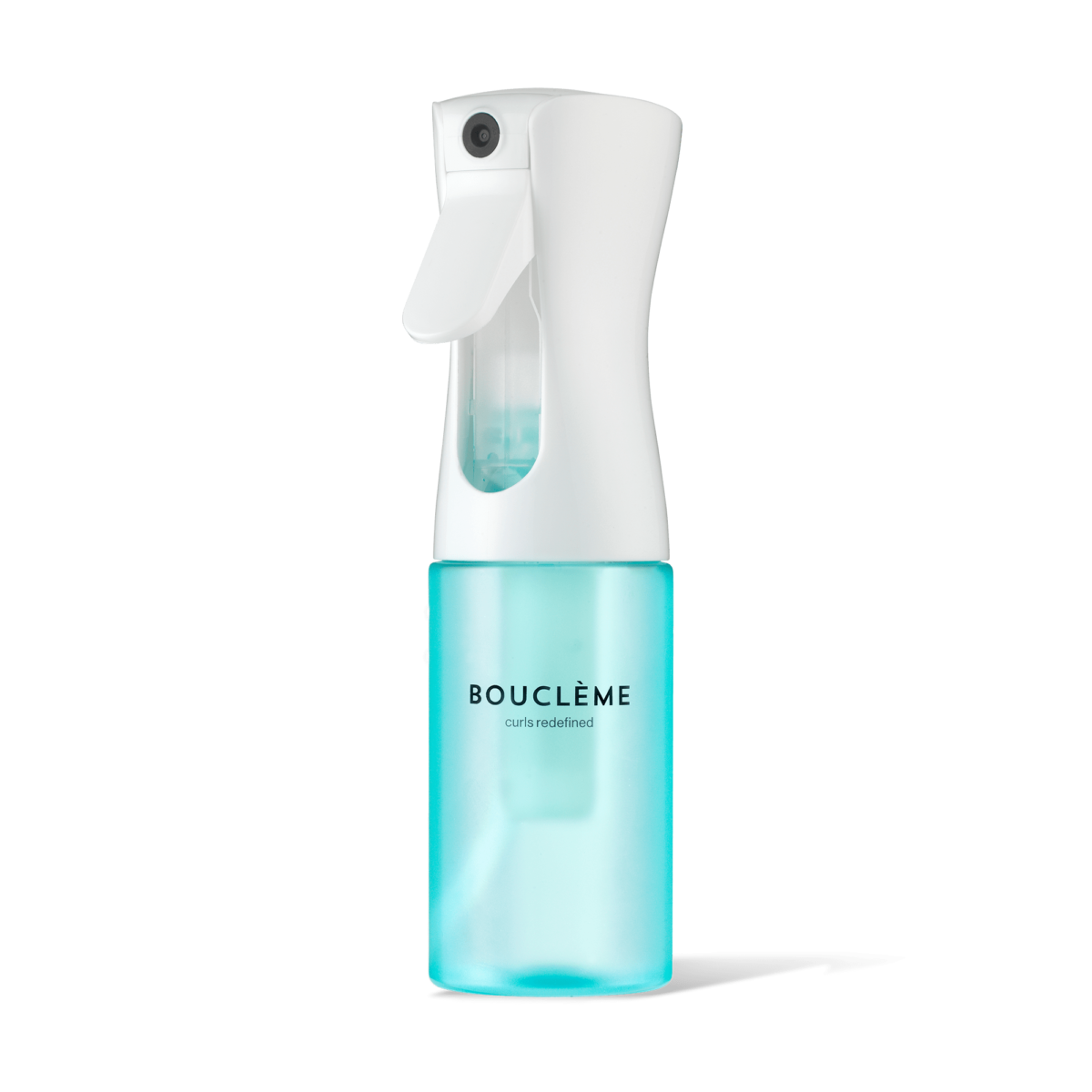
I started with freshly washed hair, misting it down with water to ensure even distribution.
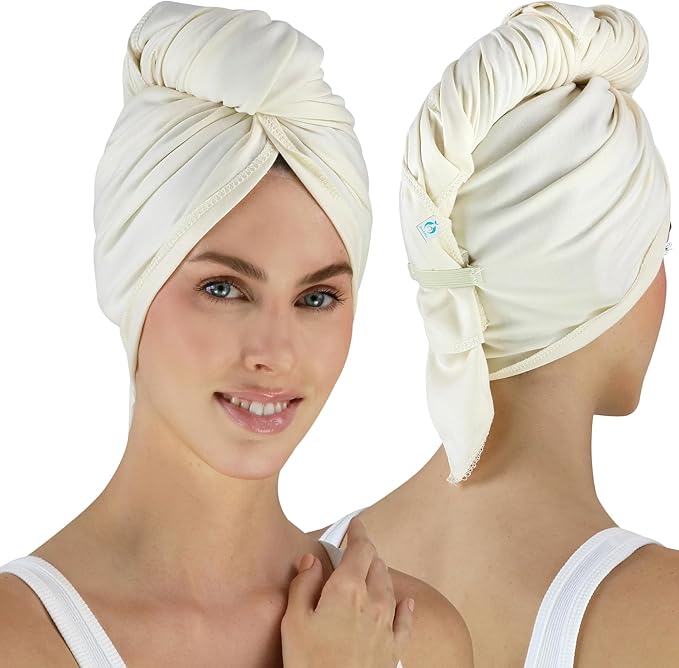
After styling, I microplopped as usual. Next is where I added in a stronger hold gel.
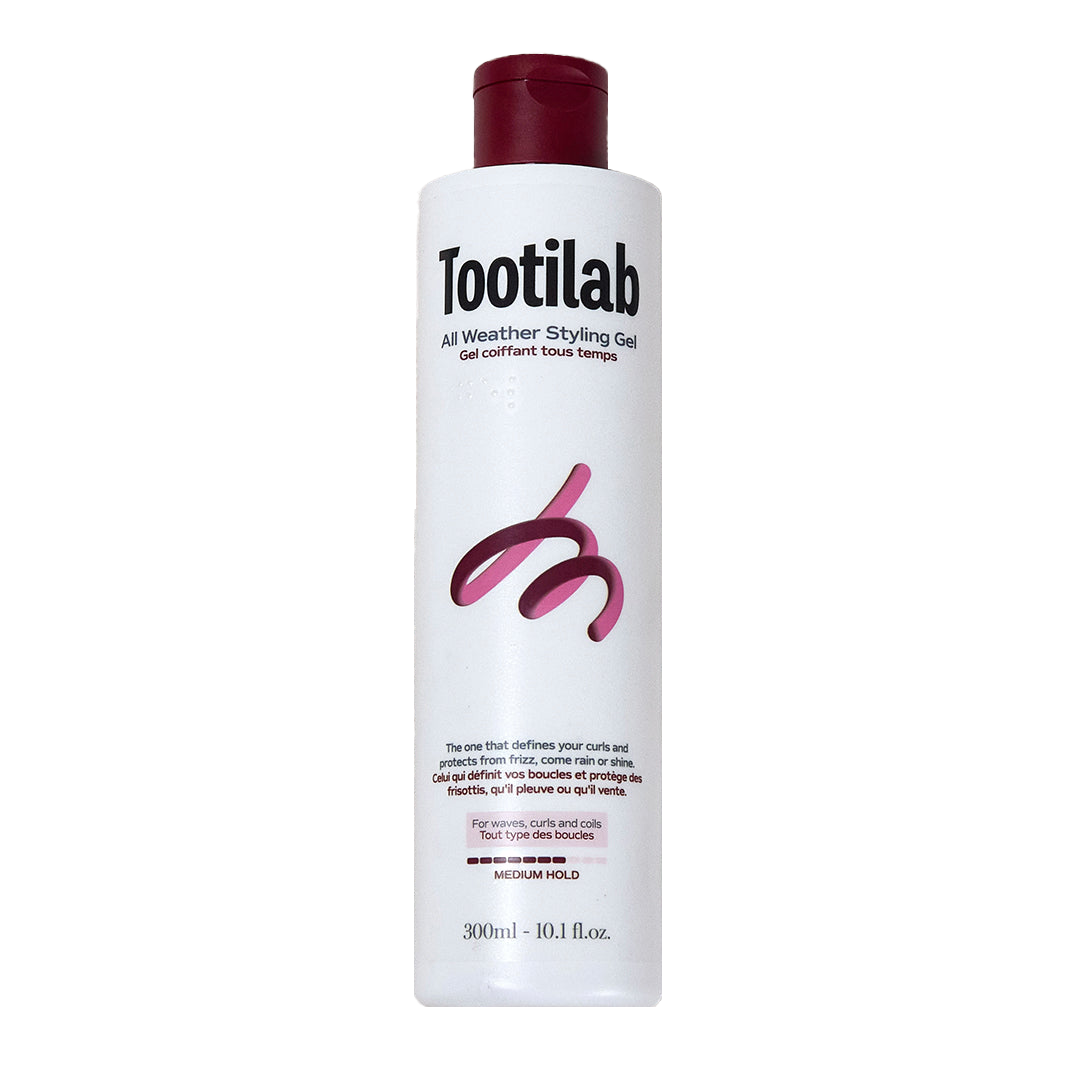
Normally, I don’t layering gels because I prefer to keep things simple and use one gel — but I’ve been experimenting with this technique along with many of clients:
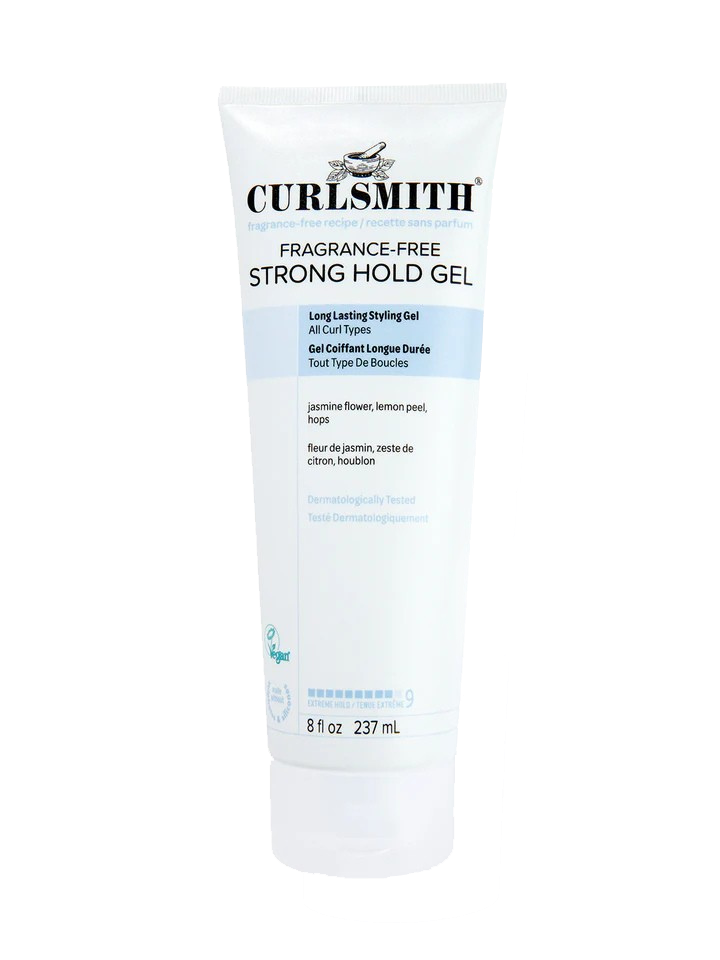
Light moisturizing gel underneath + a very small amount of strong hold gel on top.
This allows you to:
keep the hair feeling a bit softer
condition without the weight of a leave-in or cream
preserve fullness and volume
add longevity and frizz protection to lighter hold gels
I mixed a pea-sized amount with water to thin it out, then glazed it over the surface and scrunched it in. I placed extra product around my face-framing pieces and on areas that get frizzy.
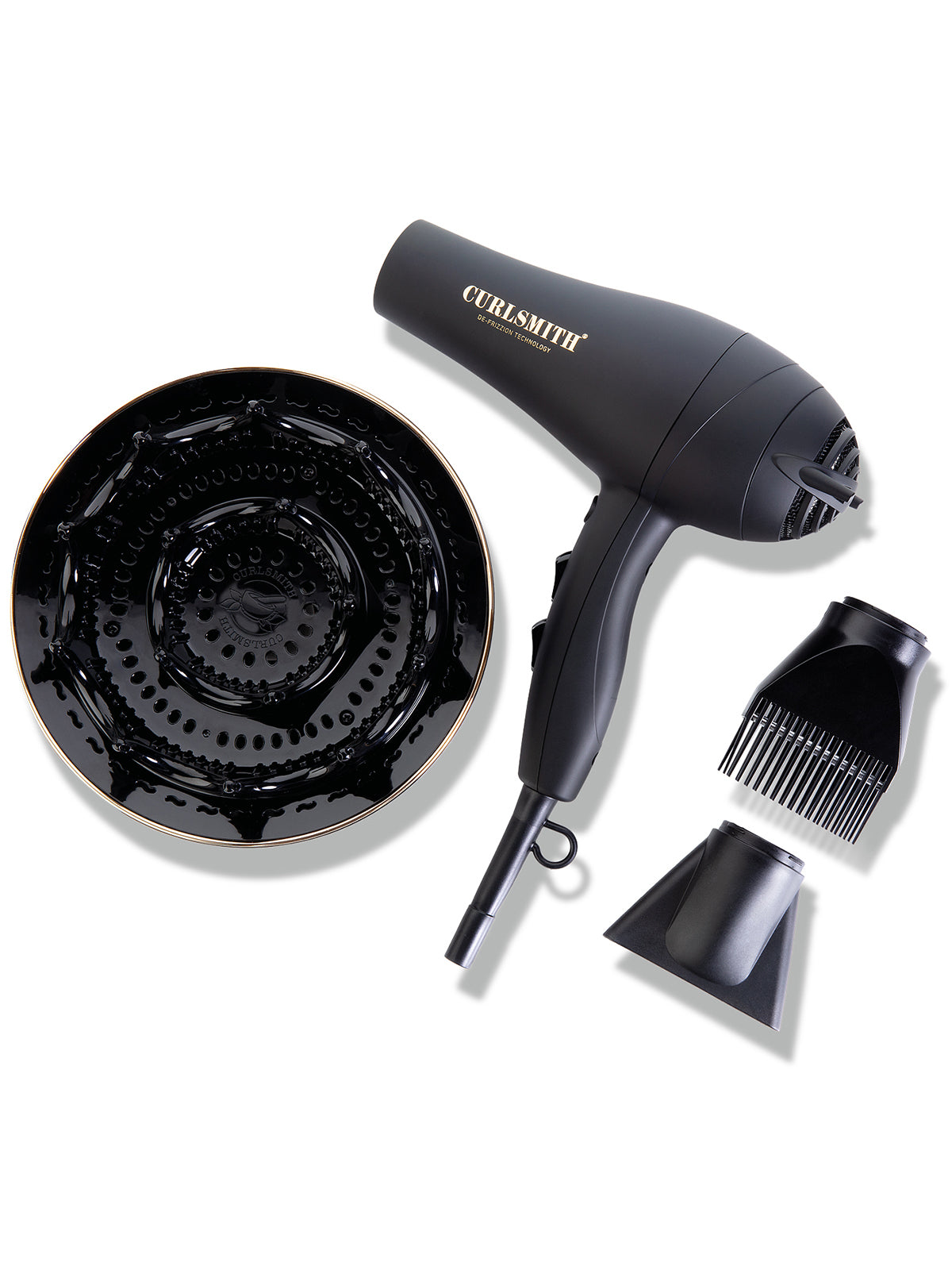
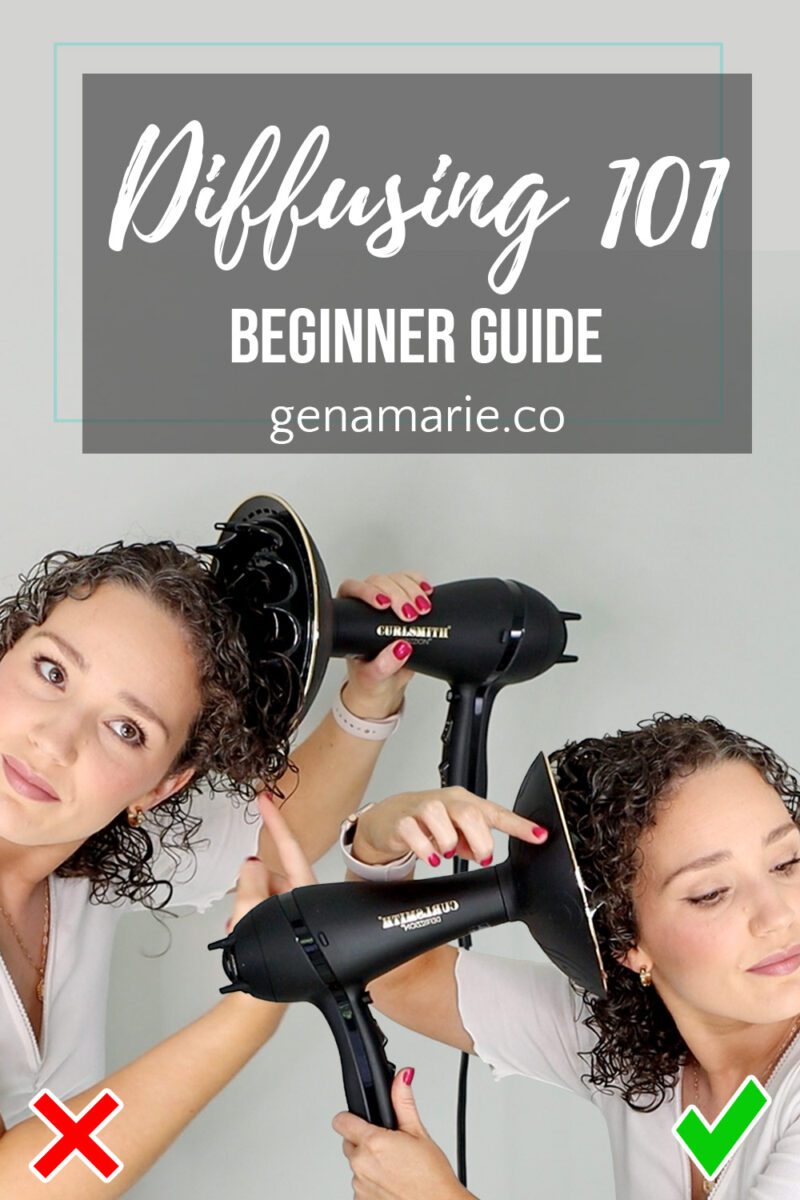
After that light glaze of extra gel, I diffused using my Curlsmith Defrizzion. I used my usual diffuse technique of scrunching the curls with the diffuser and used the prongs at the root for lift.
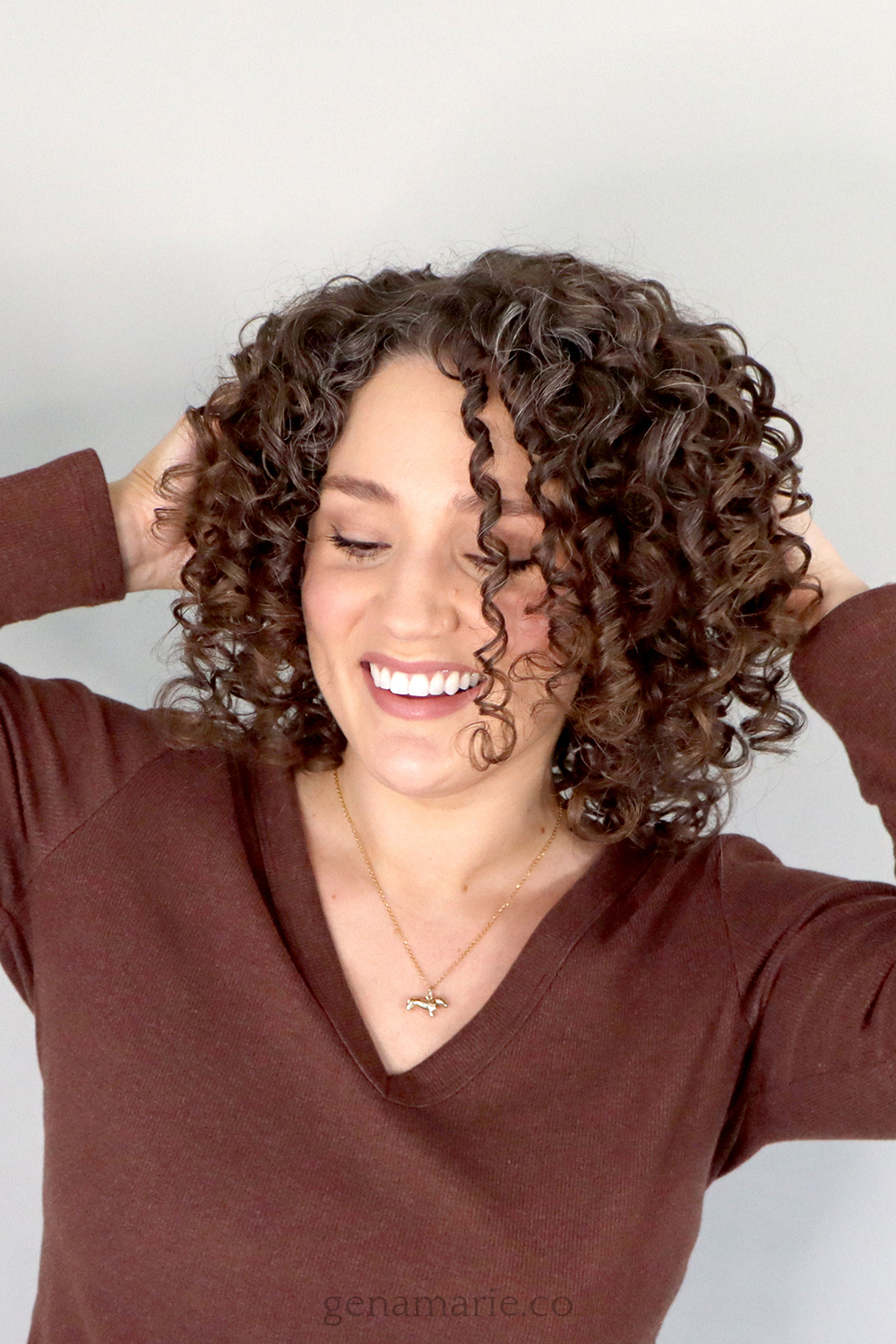
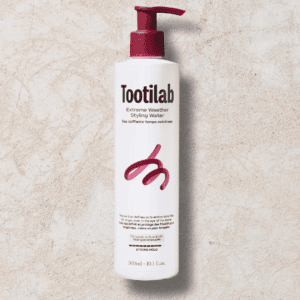
My results turned out soft and defined. The Curlsmith gel as a topper created hold and longevity without making my hair feel coated, and the Tootilab gel underneath kept everything lightweight and touchably soft.
I definitely had more frizz than usual, so next time I would use a bit more of the Curlsmith Gel or scrunch it in each section.
This routine is a perfect example of how to customize your results based on the trade-offs you care about most.
Final Thoughts
These five mindset shifts are the reason people finally stop hating their hair. Not because their curls become perfect overnight or they put in a ton of work— but because they learn to understand their hair, work with it, and judge it based on its own potential, not someone else’s.
If you’re tired of feeling like you “hate your hair,” something has to shift. Doing the same things you’ve always done will only keep you exactly where you are. And if figuring it out alone was going to work, it probably would have by now.
You don’t have to struggle on your own. Change requires effort — and the right support. When you intentionally invest time, guidance, and the right strategies, your hair will improve… and I want that for you!
If you want help applying these mindset shifts and building a routine that finally works for your hair, my Winter Group Curl Coaching Membership is open for enrollment through December 31st.
You don’t have to guess anymore — you just need the right support. To discuss if you are a fit, email me at info@genamarie.co or send me a DM on Instagram or Facebook with the word GROUP.
Amazon’s Prime Day Deals are happening today and tomorrow only! I’ve rounded up my top curly hair picks on my Amazon storefront plus shared quick notes below on each product’s key characteristics to