




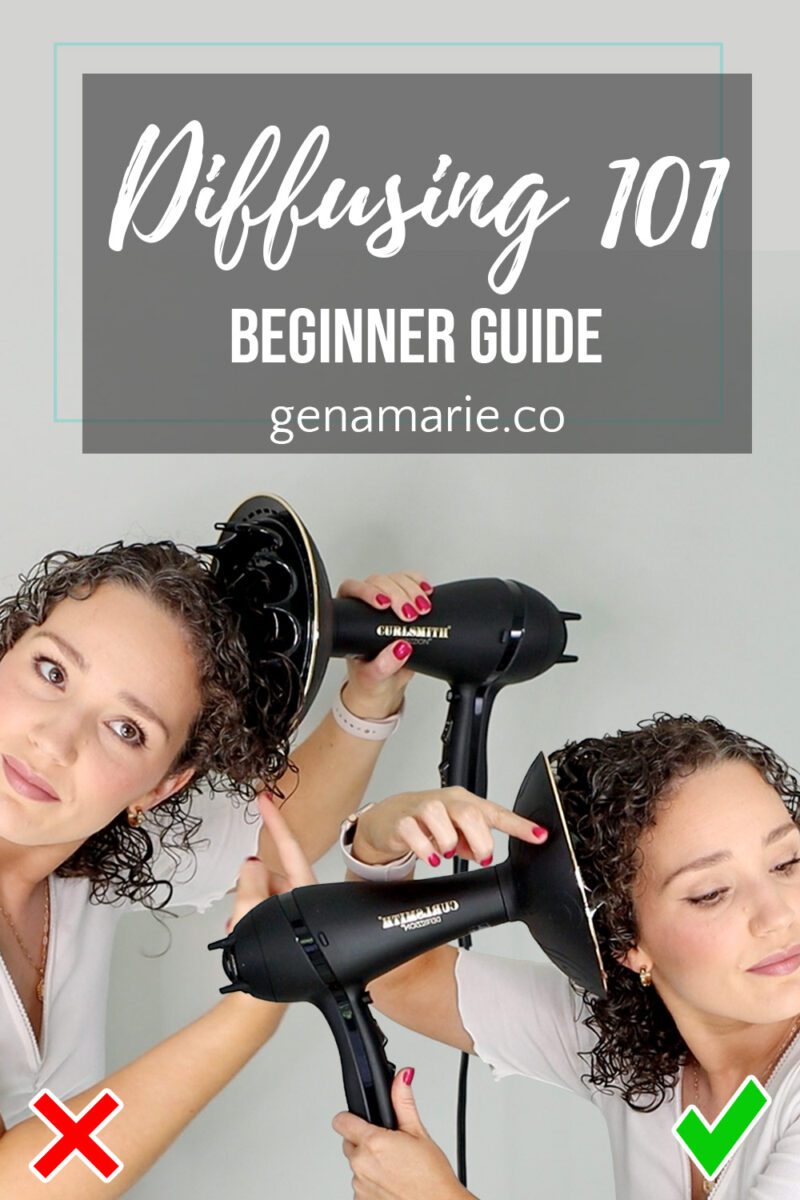

How to Diffuse Curly Hair Without Frizz: A Step-by-Step Guide
If diffusing always gives you frizz or wonky curls, or you’ve decided it isn’t worth your time, it’s not diffusing itself. It’s that no one

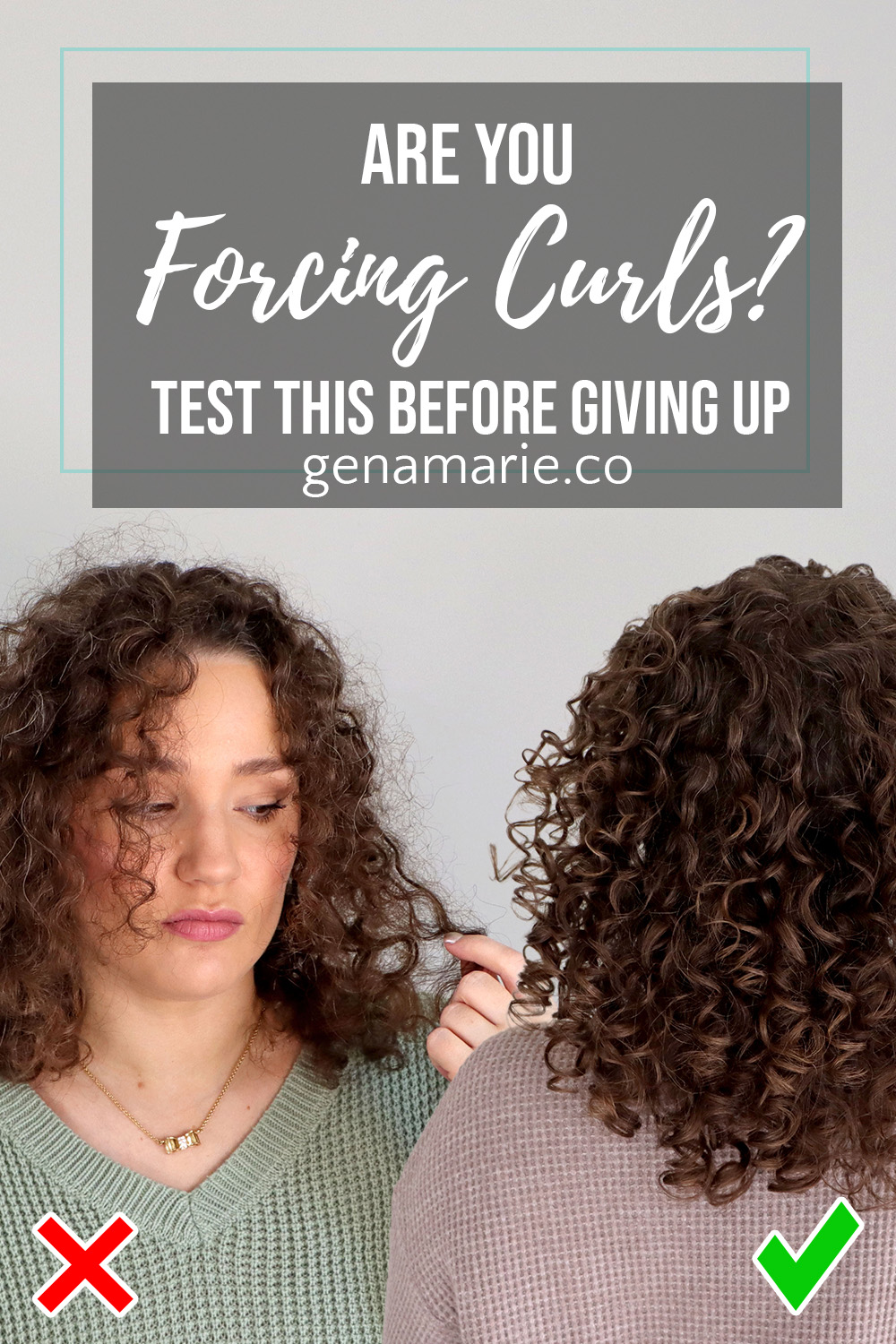
Feeling discouraged, frustrated, or unsure whether wearing your naturally curly or wavy hair is even worth it?
If you’ve been following this Beginner Curl Series, you’ve already done your first wash day and started the curl recovery process. And now… the results feel inconsistent.
One good wash. Three frustrating ones.
This is the phase where most people start second-guessing everything.
Before you quit, you don’t need a new product. You need clarity.
In this post, I’m walking you through my Fair Shot Framework — five diagnostic checks I use with my clients to determine whether you’re truly forcing your curls, or whether you’re simply discouraged in a very normal part of the process.
This phase is messy. But messy doesn’t mean hopeless.
The Fair Shot Framework is simple in structure, but strict in application. There are five checks and all five must be in place at the same time – for long enough.
If even one piece is missing, you do not have enough information yet to conclude that your curls “aren’t working.”
The goal here is not to convince you to keep going blindly. The goal is to help you make a decision from clarity — not frustration. Let’s walk through each one.
This is where most people fail the experiment.
If No, Inconsistency Looks Like:
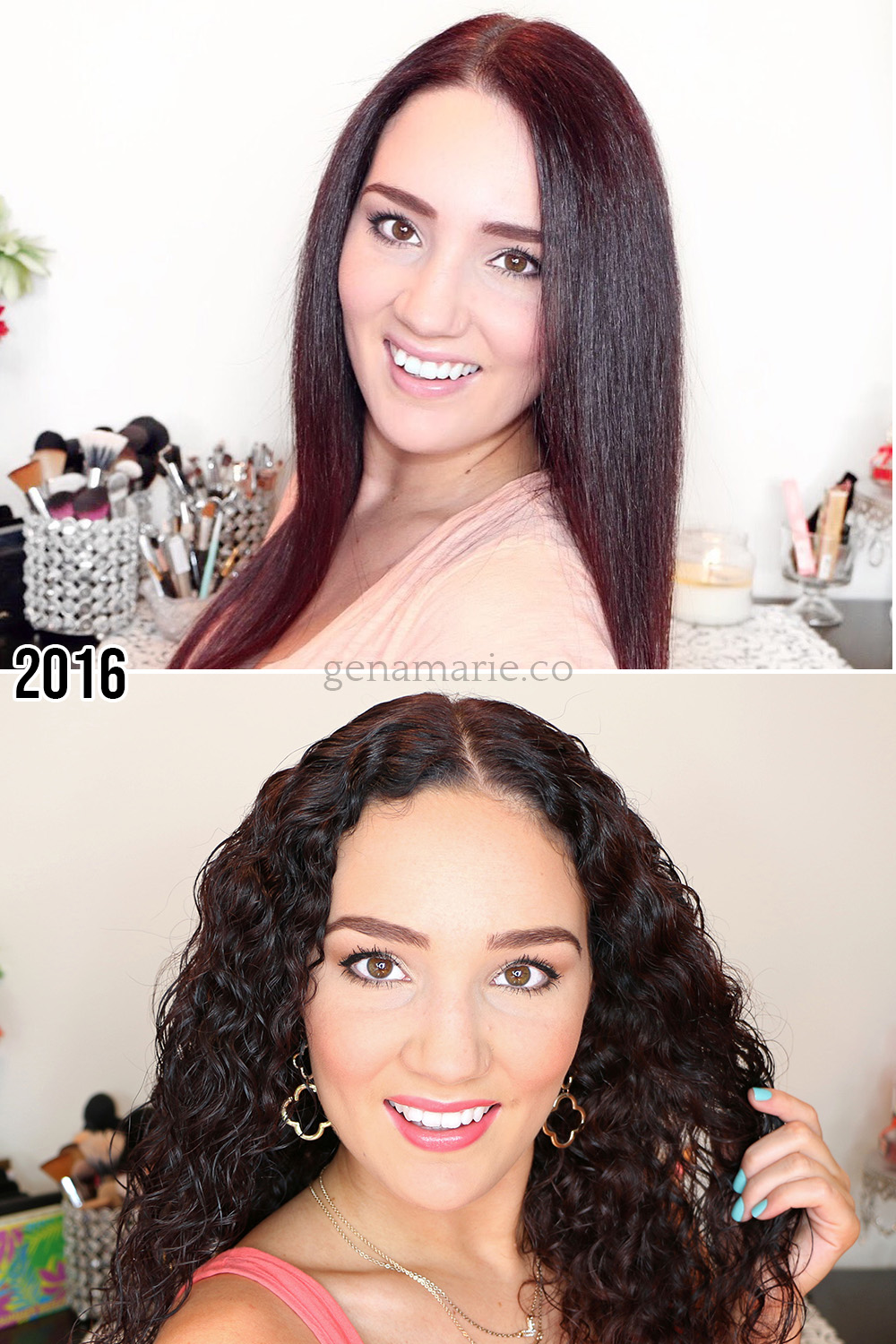
I lived this personally. When I was switching back and forth between straight and curly, my hair looked worse curly. I didn’t trust the process. I hated how it looked.
But here’s the truth: I wasn’t testing curls. I was interrupting them. I got stuck in what I now call the damage cycle.
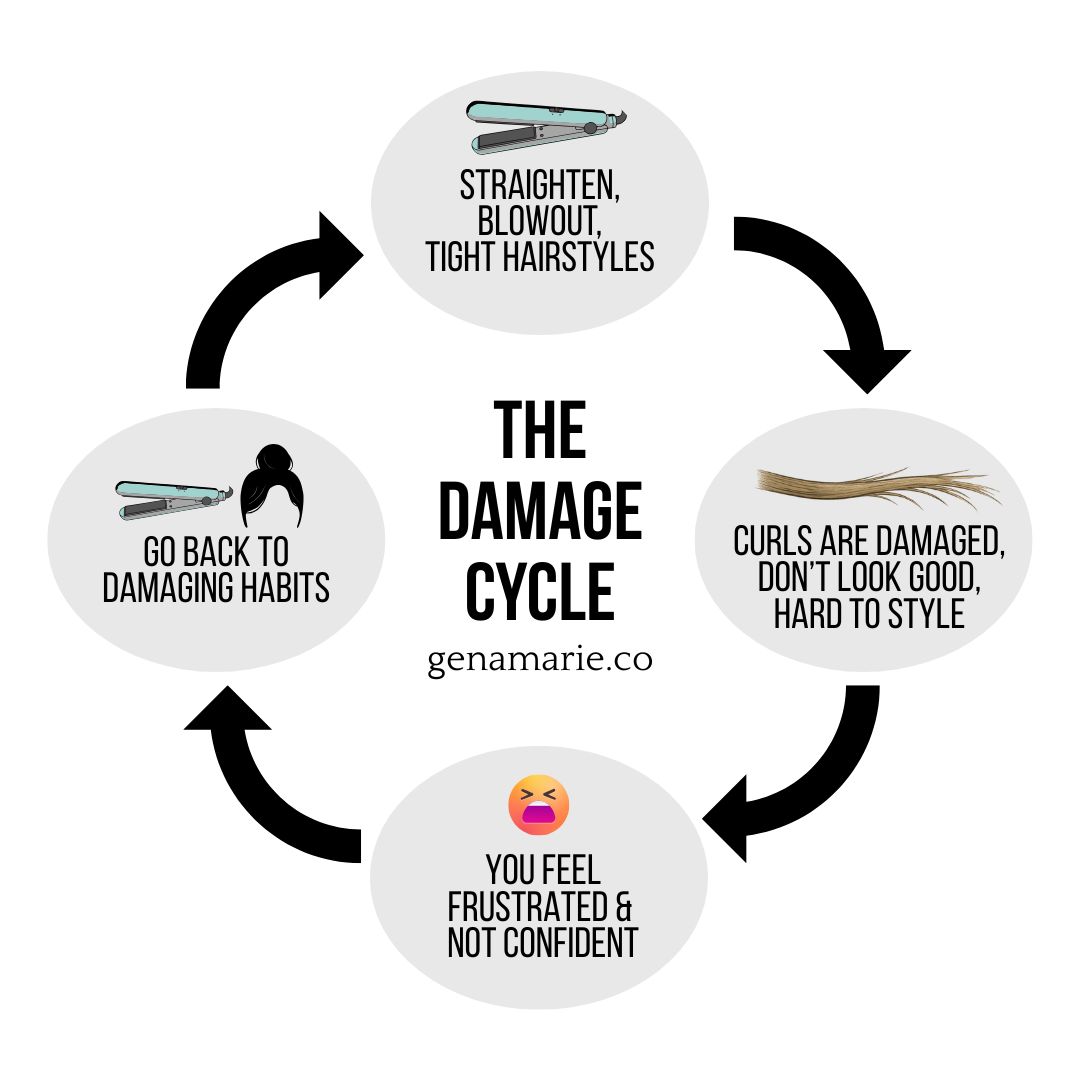
Every time I straightened out of frustration, I reset the stabilization process. My curls never had a chance to settle into what they could actually do.
I also see this with clients. Some don’t straighten — but they wear their hair pulled back tightly every single day because they’re uncomfortable with imperfection. I’m not saying you can’t wear your hair up. You absolutely can.
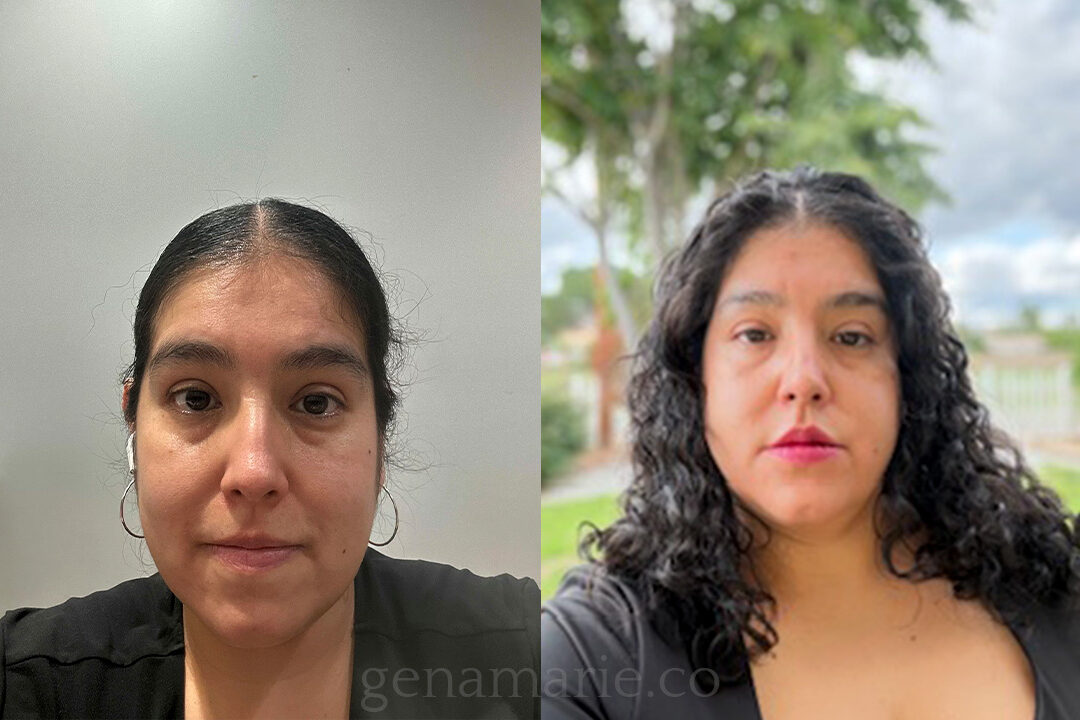
But if you’re constantly stretching it tightly or hiding it completely, you’re not really evaluating how it behaves in its natural state. Loose containment is different than tight interruption.
If Yes: Consistency Looks Like
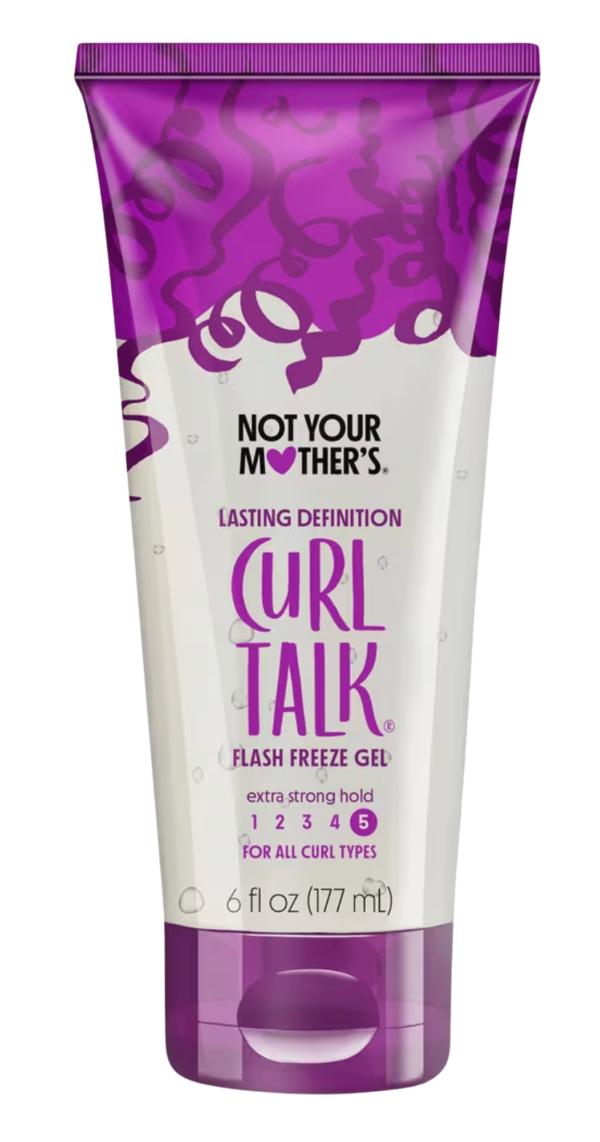
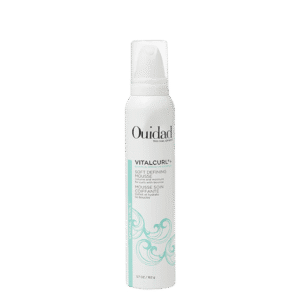
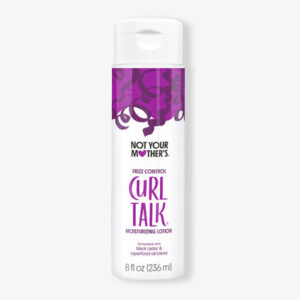
Watch this to see how to style for longevity using a strong hold gel like the Not Your Mother's one below.
Consistency reveals what your hair naturally does. Without consistency, you don’t have data.
This is the check people underestimate. Damaged hair does not perform like healthy hair. It doesn’t hold curl as well, doesn’t bounce back the same way and often looks limp or frizzy no matter what you do.
If No: Ongoing Damage Looks Like
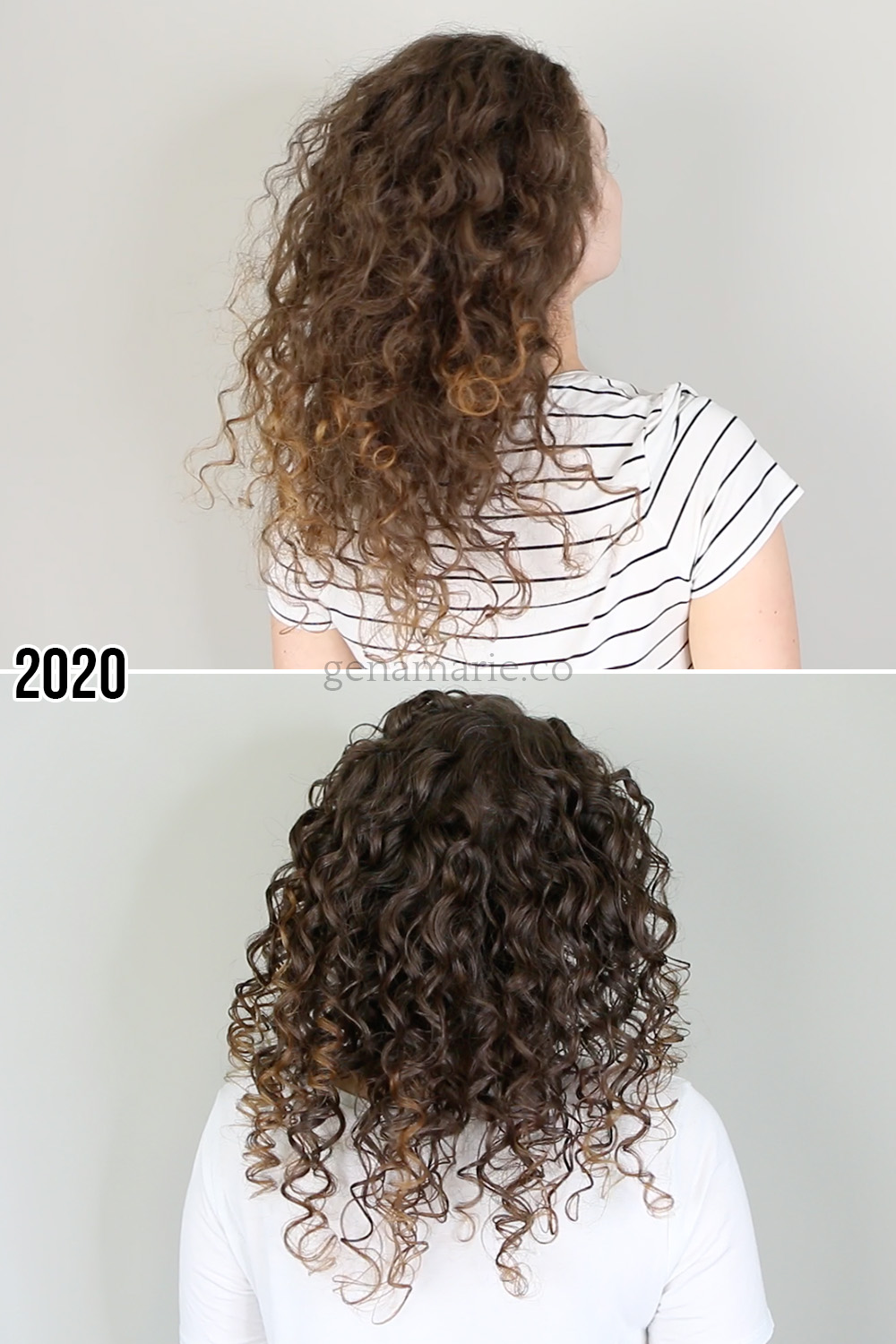
When I was in this phase, I had hair blindness. I thought my hair looked “fine.” I thought I just needed a better product. What I actually needed was a MAJOR trim.
I was holding onto length that was making everything harder to manage. Once I cut off the damaged ends and stopped highlighting my hair, everything became easier.
That was the turning point.
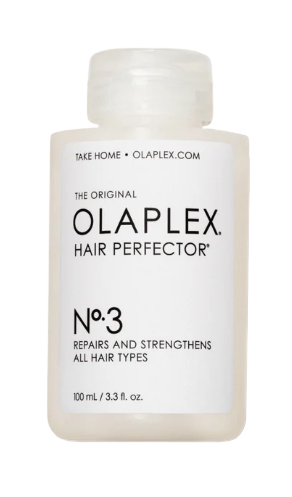
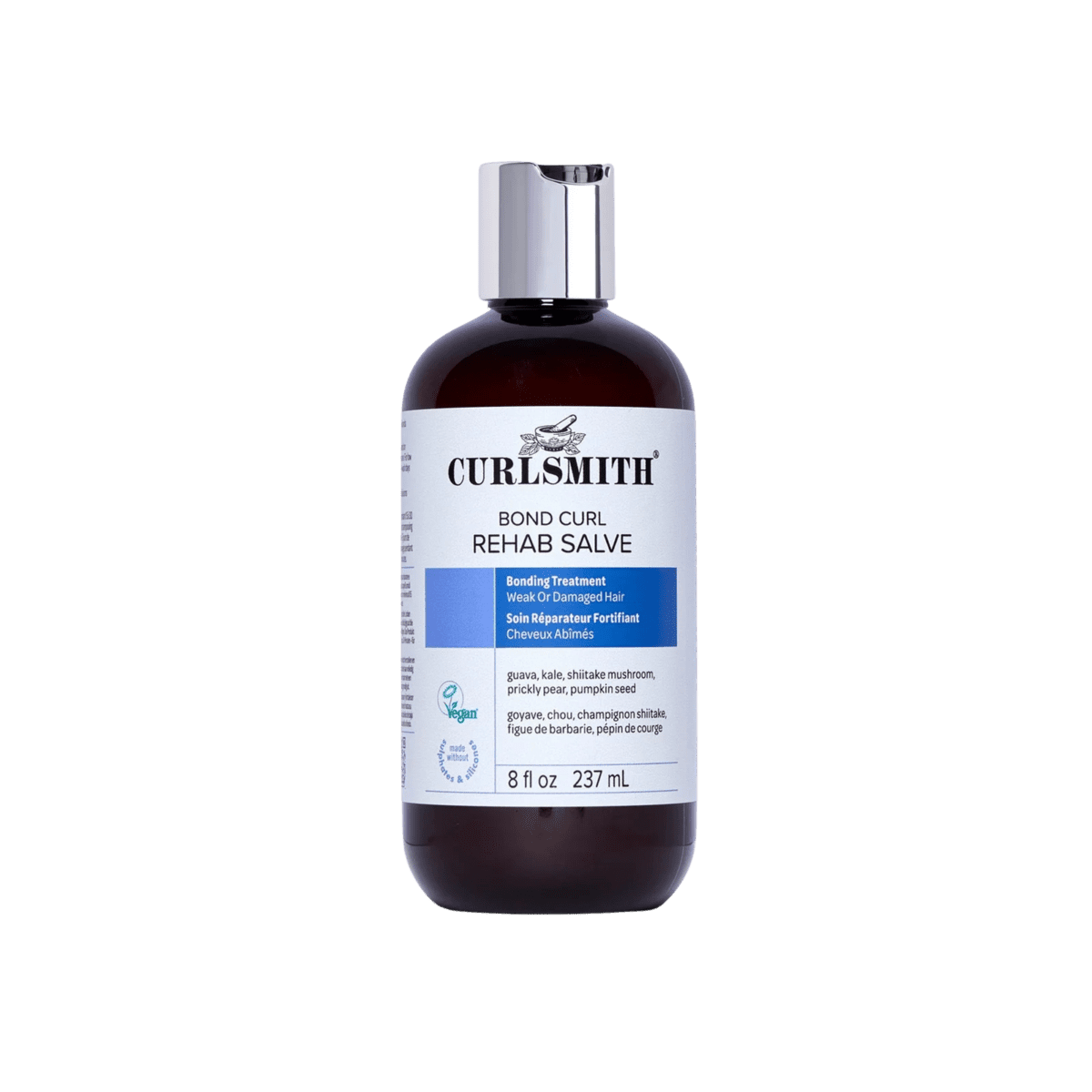
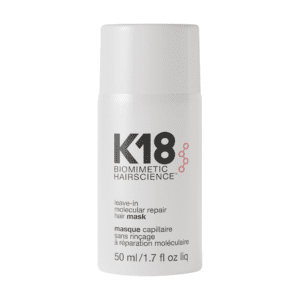
You can support damaged hair with bond-building and strengthening treatments (see below). But you cannot instantly restore a curl pattern that has been weakened by years of heat or chemical damage.
Recovery takes time — and ultimately, healthy hair must grow in from the scalp.
If Yes: Healthy Hair Looks Like
Frustration during recovery is normal. But judging your final curl potential while your hair is still healing is premature.
This is where “forcing curls” most commonly shows up. Technique can enhance your pattern but it cannot invent one.
If No: Technique Mismatch Looks Like
Underdoing:
Overdoing:
I had a client who was copying my routine step for step because she wanted her hair to look like mine. She was sectioning and brush coiling every single piece of short, barely-wavy hair. She was exhausted and the result looked the same — sometimes worse.
We simplified her routine to rake + scrunch + hold. Her hair looked just as good, if not better. More importantly, it became sustainable.
Doing more is not always better. You style for the hair you have — not the hair you wish you had.
If Yes: Technique Fit Looks Like
General guideline:
This is not a rigid rule. It’s a starting point. The goal is effort that matches your natural curl potential.
Most discouragement happens between wash days and that’s when people overcorrect.
If No: Reacting Looks Like
You cannot see patterns if you keep resetting the experiment. I see this often - clients get frustrated and assume a different product will fix everything. But the real issue is expectations.
One of my clients washes daily because she’s unhappy with any imperfection. She’s not doing too much. She just expects more than her hair is capable of delivering every single day.
If you only evaluate your hair on its worst day, you will always feel discouraged. Early results are inconsistent. It often looks like it gets worse before it gets better.
If Yes: Strategic Looks Like
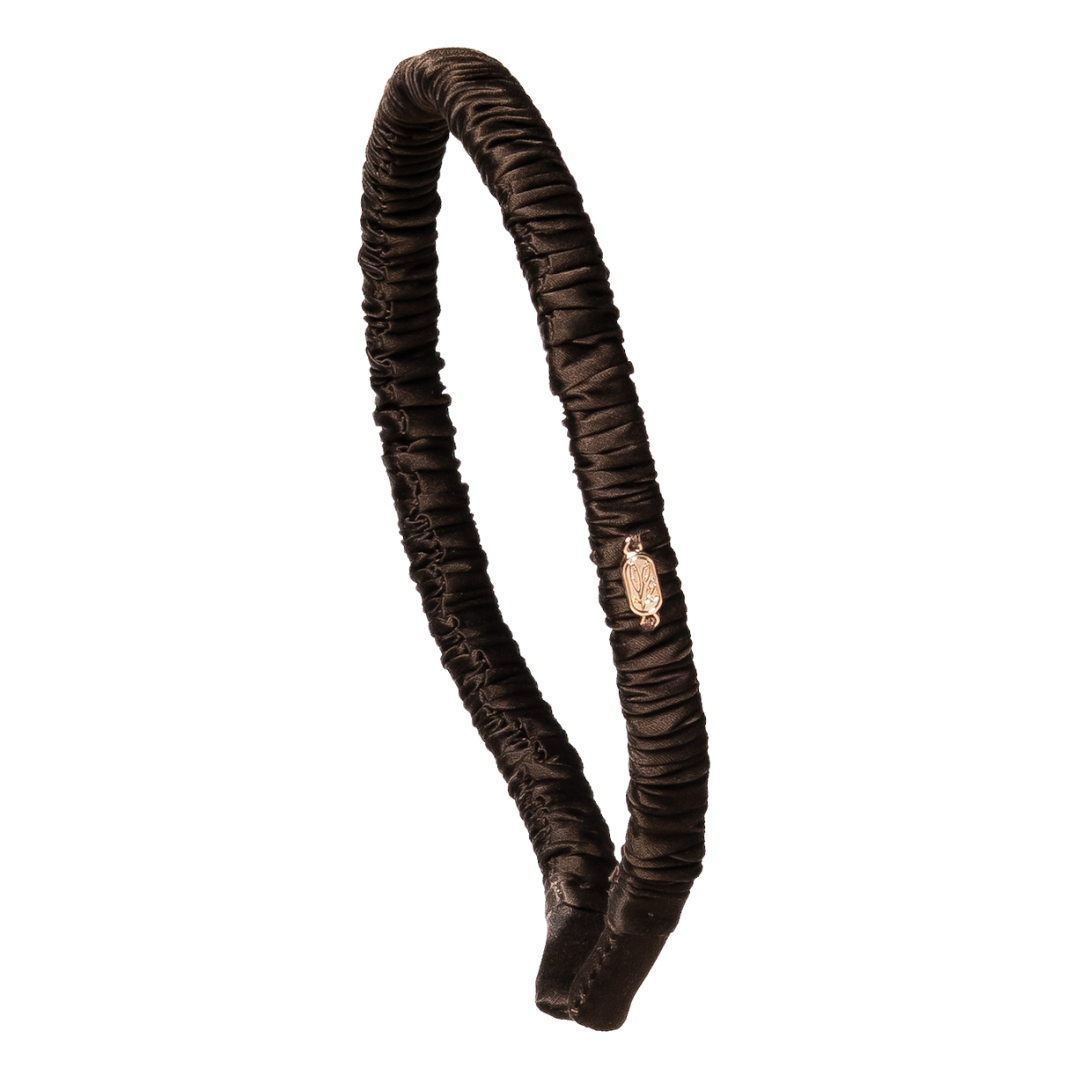
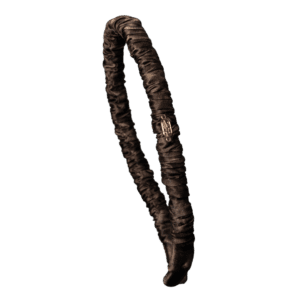
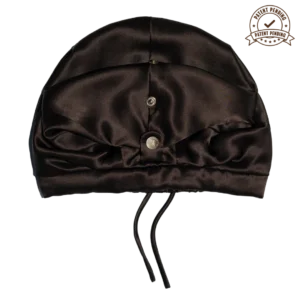
This is also where containment strategies come in. You do not have to give up your ponytail.
You can:
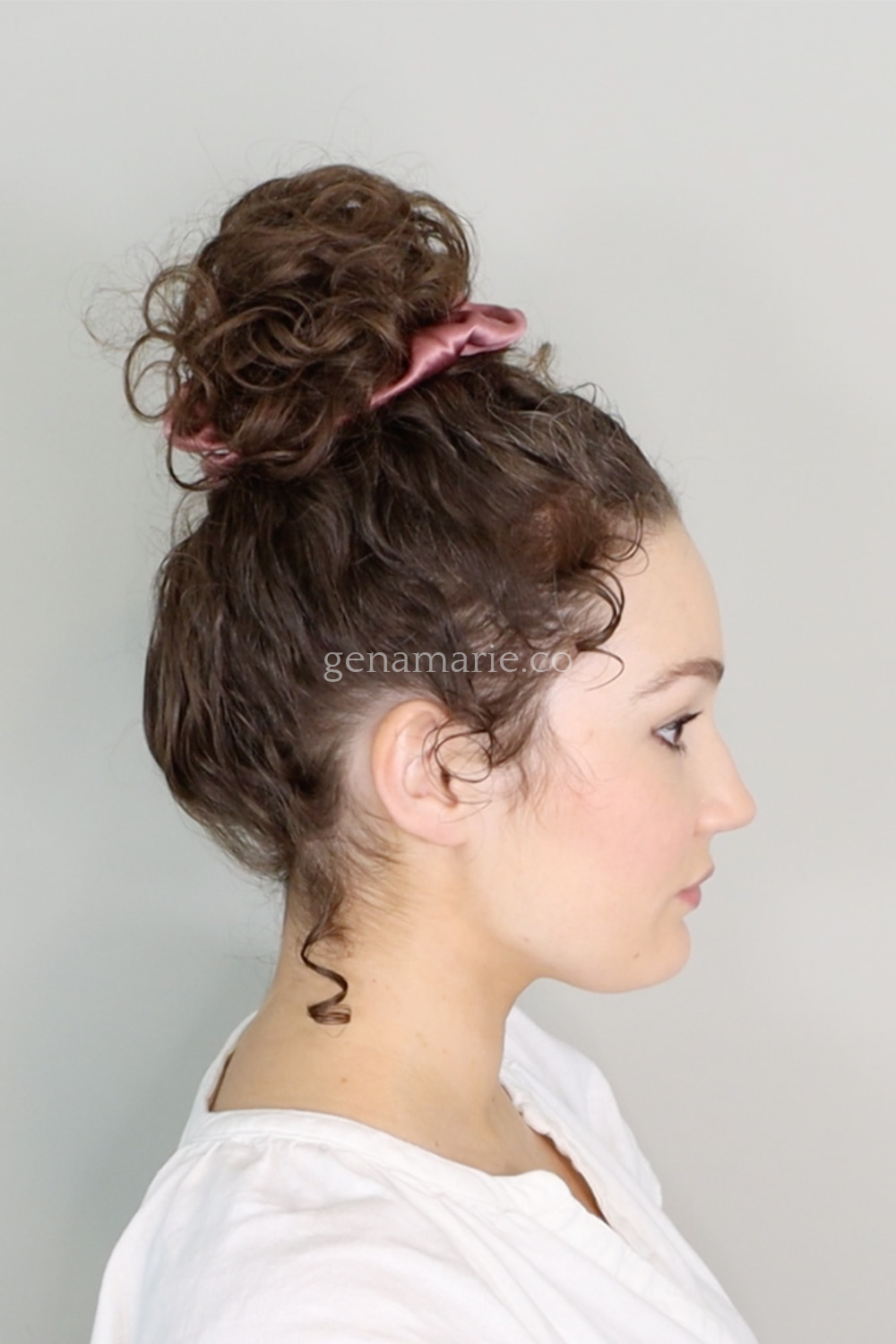
Strategic containment is not giving up. It’s staying the course without burning out.
Not one - all of them.
If No: Expecting Clarity Too Soon Looks Like
Time only matters once everything else is stable. If you’ve been inconsistent, still recovering, mismatched in technique, or reacting emotionally — time hasn’t even started yet.
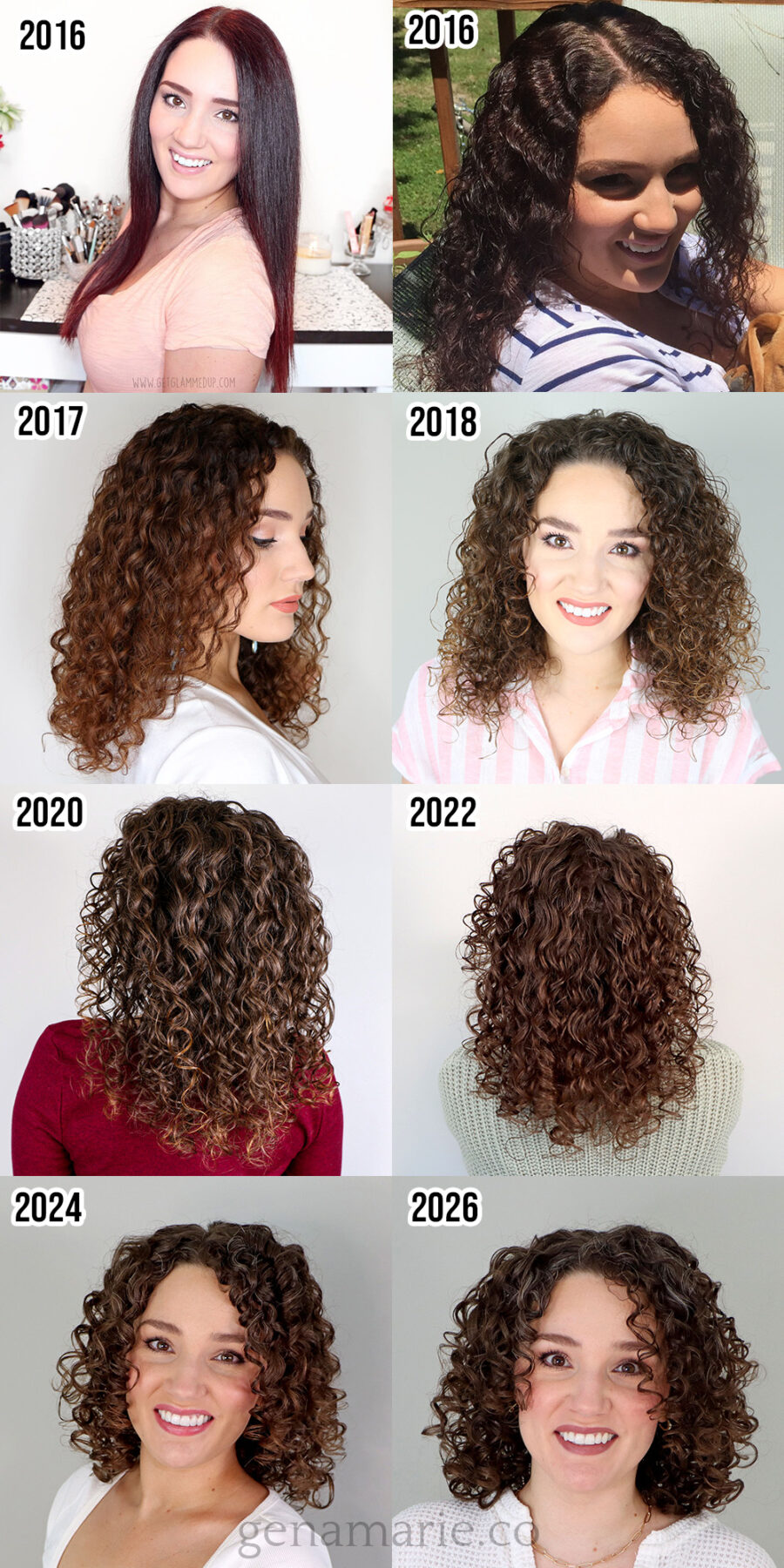
When I stopped highlighting my hair and stopped straightening out of frustration, that’s when real change began. It wasn’t overnight - it was gradual.
If Yes: You Now Have Real Data
At that point, you have clarity about your natural curl potential. If your results remain stable and minimal despite all five checks being in place: You may have reached your hair’s natural limit.
You cannot manufacture a curl pattern that isn’t naturally there. But that is not failure, it is information.
If you haven’t had all five checks in place at the same time long enough:
You are not forcing your curls. You are building your foundation. Discouragement in this phase is normal. There is still potential to uncover.
If all five have been in place for months and your results remain stable: you now have clarity about your natural curl potential. At that point, the decision is yours.
Is this texture — and the routine that supports it — something you want to embrace? Or would you prefer straightening? You choose your hard.
Either way, you’re deciding from clarity — not frustration. And that’s the difference.
If you’re in this phase, don’t spiral — continue the process. Work through the rest of the Beginner Curl Series so you understand how each step builds on the last.
And if you’ve tried to navigate this awkward middle on your own and keep second-guessing every move, this is exactly the kind of clarity and feedback we work through inside my Group Curl Coaching Program. You don’t need to quit — you just need structure, consistency, and the right support. Enrollment closes on March 15!

If diffusing always gives you frizz or wonky curls, or you’ve decided it isn’t worth your time, it’s not diffusing itself. It’s that no one

Do you really need different products for your exact hair type? That question came up over and over in today’s live Q&A, and the answer
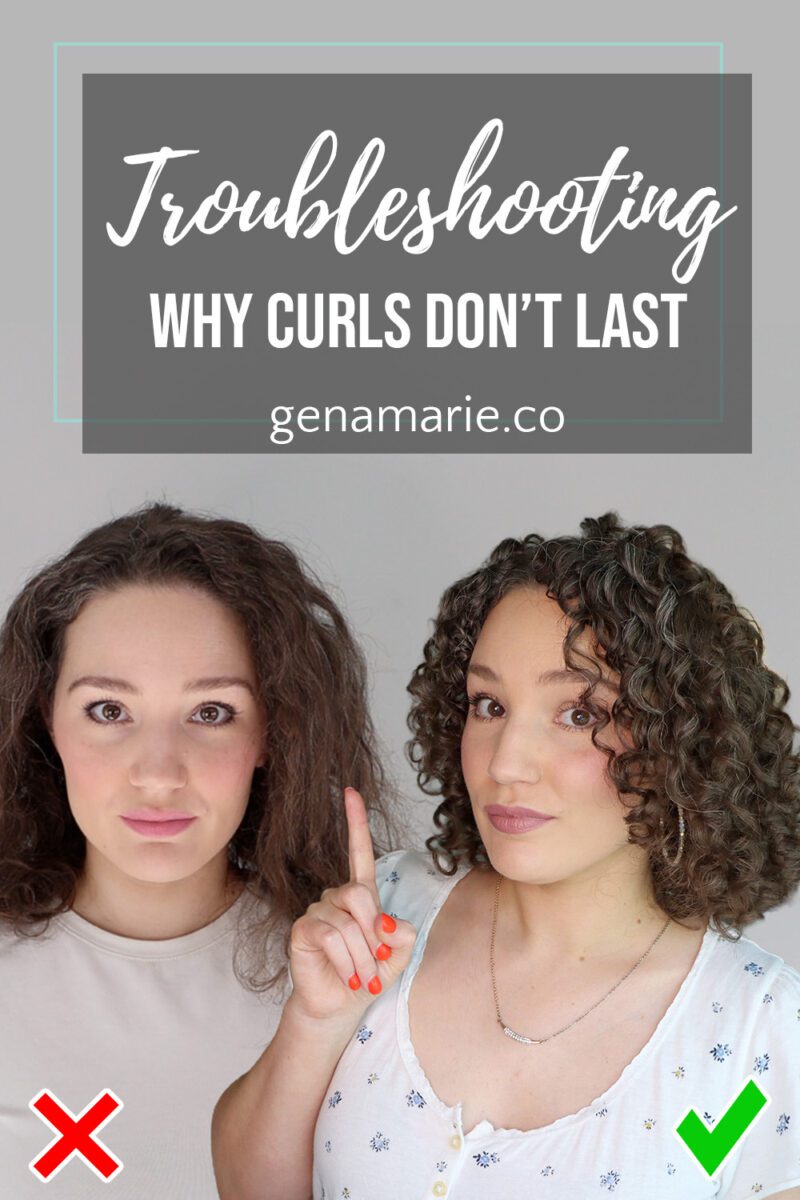
You put all that work into wash day, only for your curls to frizz and fall out by the next day. Then you’re stuck restyling
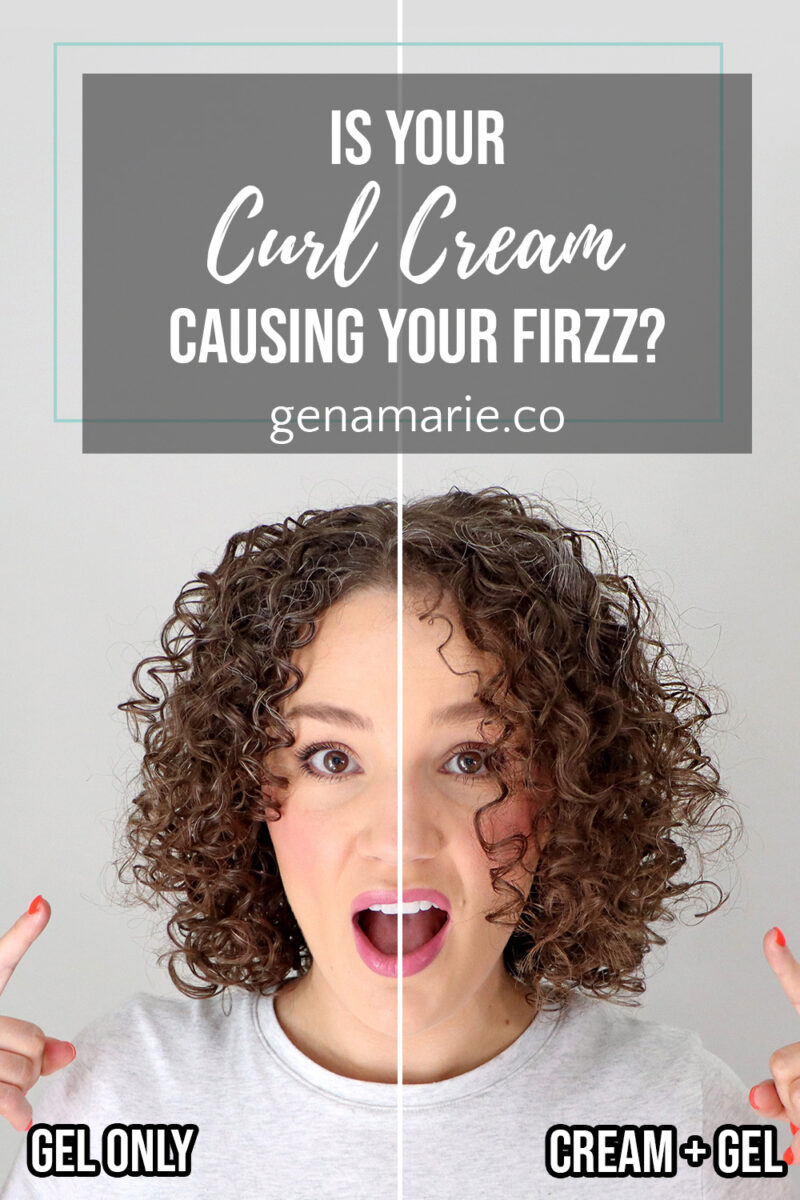
Could your curl cream be the reason you have frizz and can’t get your curls to last? I put it to the test with a
Notifications