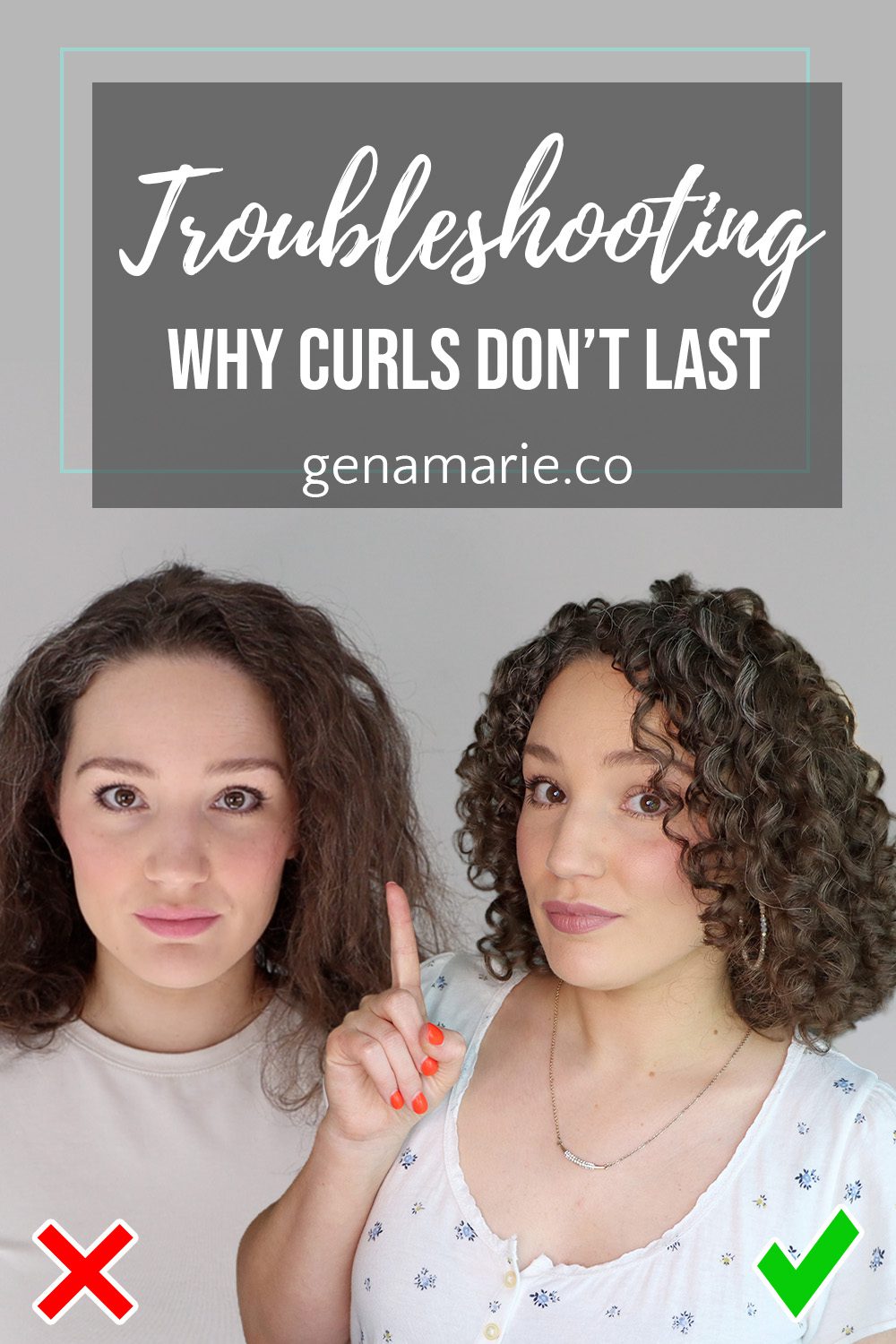
Why Your Curls Don’t Last Past Wash Day: My Curl Coach Troubleshooting Process
You put all that work into wash day, only for your curls to frizz and fall out by the next day. Then you’re stuck restyling or doing a major refresh, spending way more time on your hair than you should.
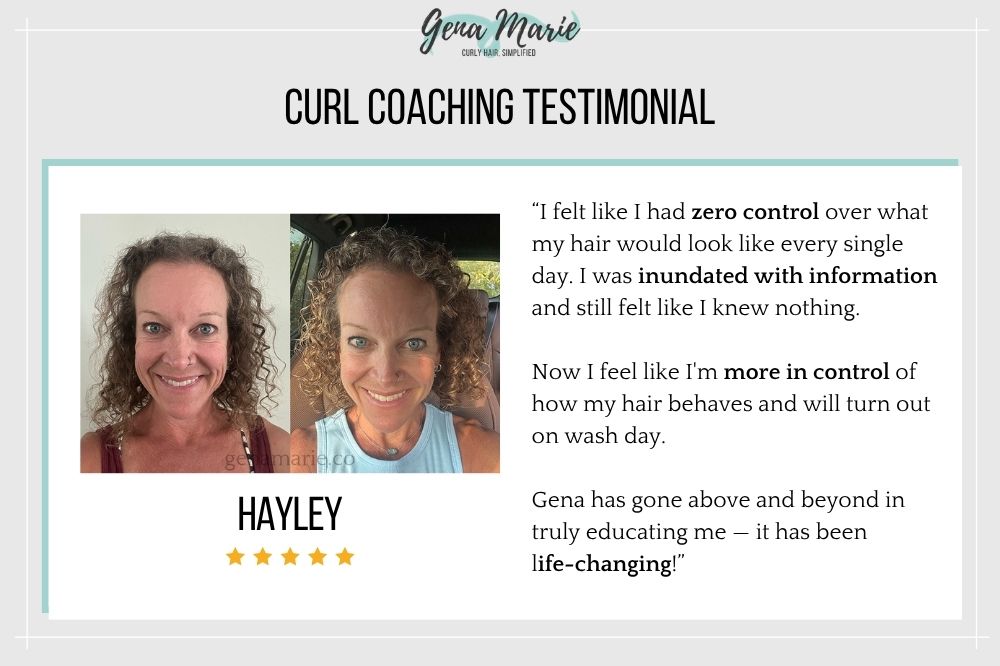
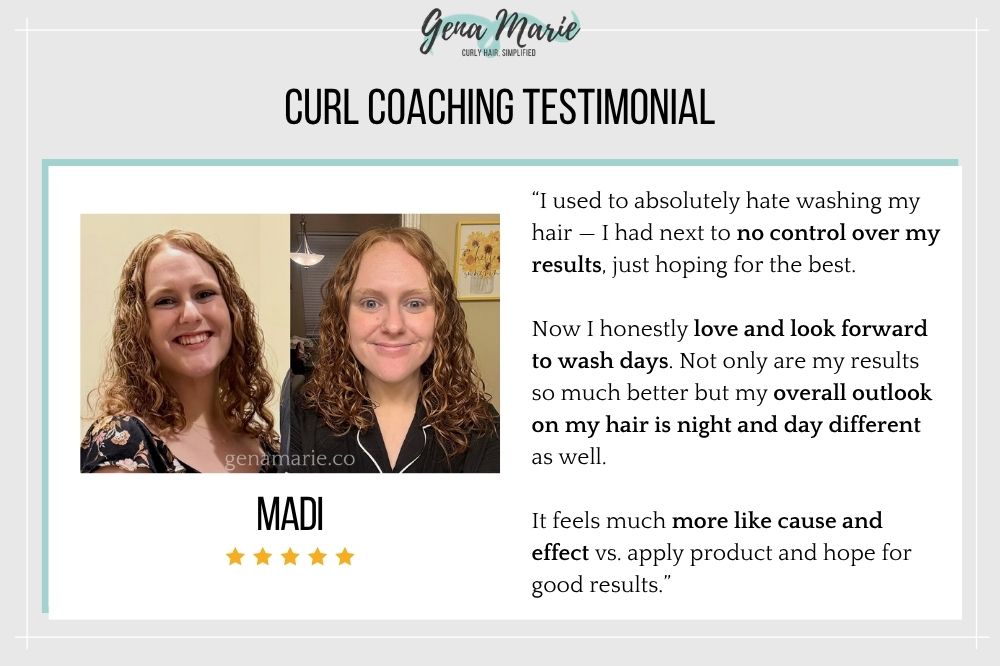
You have far more control over this than you think. You just need the right process. In my Curl Coaching Program, this is exactly what I run through with my clients to get longer lasting results, before we ever buy a new product.
Fall Curl Coaching Begins on Tuesday Sept 1. Enroll before doors on Sept 15.
What “Not Lasting” Actually Looks Like
The goal isn’t next-day hair identical to wash day. It’s feeling confident wearing your curls without a full restyle. Not lasting looks like:
Frizz or stringiness
Limp, elongated curls, more stretched than your natural pattern
Loss of definition and clumping
The tricky part: these symptoms all look alike, so you can’t identify the cause from the symptom alone. What sorts them out is when you saw it.
The Four Checkpoints
Right after your hair dries
When you break the cast
After a full day of wear
After sleeping
If you wash at night, sleeping comes before the full day. Same checkpoints, different order.
Reason 1: You’re Not Getting Enough Hold Out of the Gel You Already Have
I start here because we always maximize what you have before buying anything new.
When you’d see it: right after your hair dries, sometimes later in the day. Either way, it was wrong from the moment it dried.
What it looks like: a patchy cast, no cast at all, or sections that never set.
Questions to ask yourself:
Did I coat every strand with gel?
Did I rake it in from root to tip?
Was my water-to-gel ratio correct? Water dilutes your gel.
How much conditioning is under my gel? Leave-ins, curl creams, and yes, your shampoo and conditioner, which leave conditioning agents behind on the hair. That’s the moisture-hold balance, and it starts before you pick up your gel.
Reason 2: Your Styling Never Set the Curl in the First Place
When you’d see it: as soon as your hair dries, then progressively worse through the day. Some loosening is normal with waves and loose curls; the point is starting at full potential.
What it looks like: frizz, stringiness, no clumps, hair that dries puffy and undefined.
Questions to ask yourself:
Did I smooth my products in, or just scrunch them on the surface?
Did I use techniques to clump my curls? They sometimes need encouragement.
Did I diffuse to set my curl shape?
✅ The fix: get your curls as defined as possible on wash day.
A tighter starting point has further to travel before it looks loose. My method is rake, lift, scrunch:
Rake products through until smooth and evenly coated, no bumps or tangles. A brush works here too.
Lift hair off the scalp so it doesn’t dry stuck down.
Scrunch to bring the pattern back out.
My Styling Techniques Ladder shows how to pull out more of your pattern without over-manipulating. This doesn’t mean more time: my clients usually spend less once the technique is right. I’m often telling them to cut out steps.
Reason 3: Your Gel Has Hit Its Ceiling
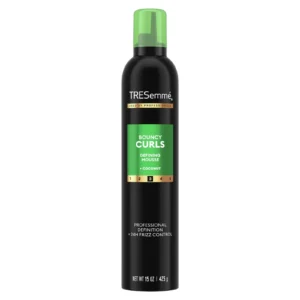
When you’d see it: at dry if you never got a cast, when you break the cast if it immediately collapsed, or by end of day if it didn’t make it. This one shows up everywhere. In my recent Mousse Comparison, some mousses gave a beautiful cast, and the second I broke it, everything fell, despite thorough application.
Questions to ask yourself:
Have I tried my gel alone, nothing underneath?
Have I applied it thoroughly and evenly?
Have I fine-tuned my styling?
If any answer is no, that’s your next move, not a new gel.
✅ The fix: a gel that can hold your hair without you fighting it.
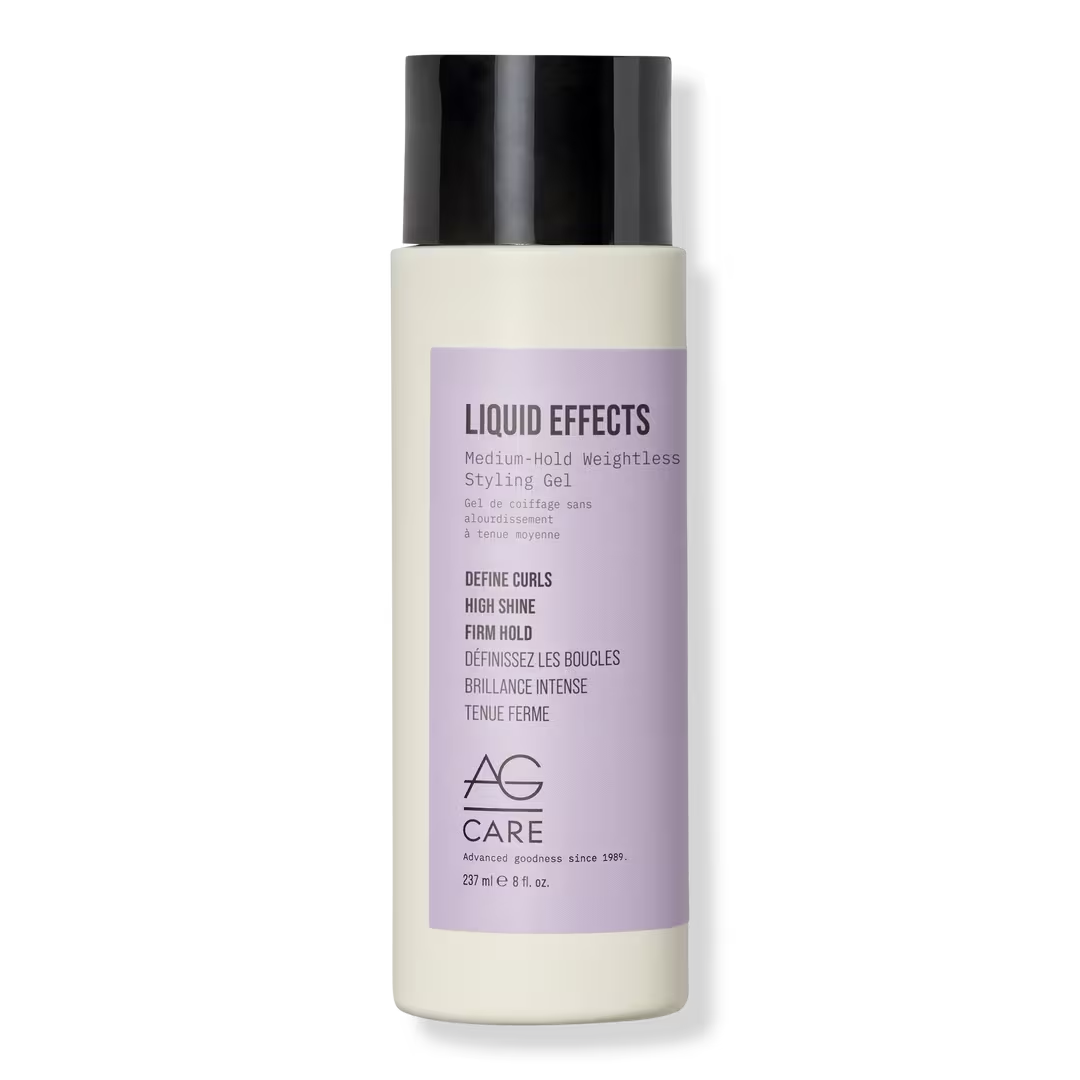
Every product has a hold ceiling no technique gets past. Gels vary in three ways:
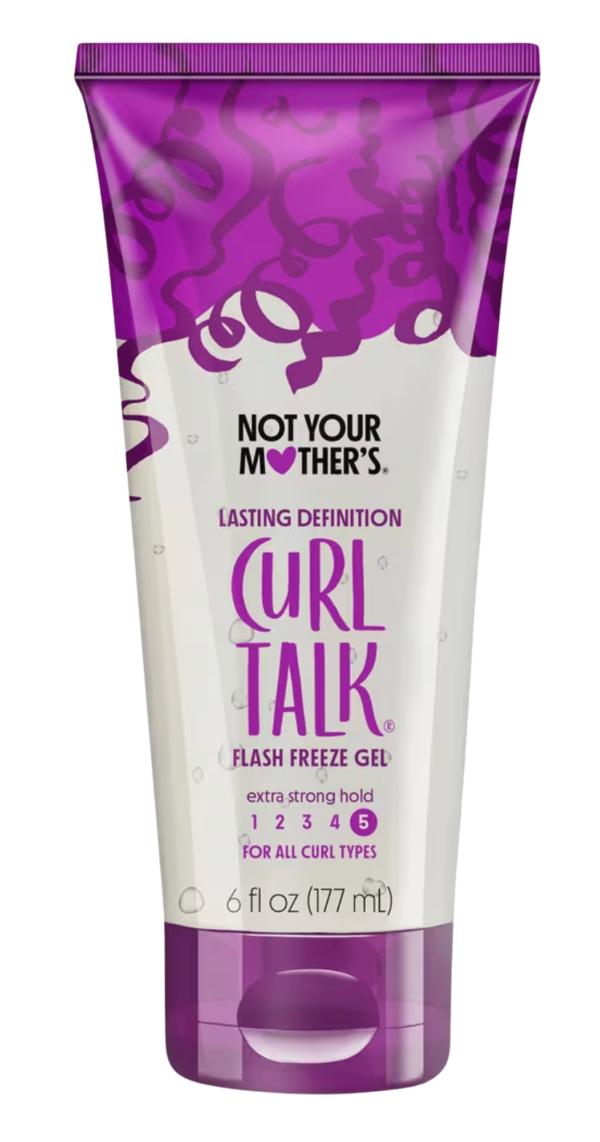
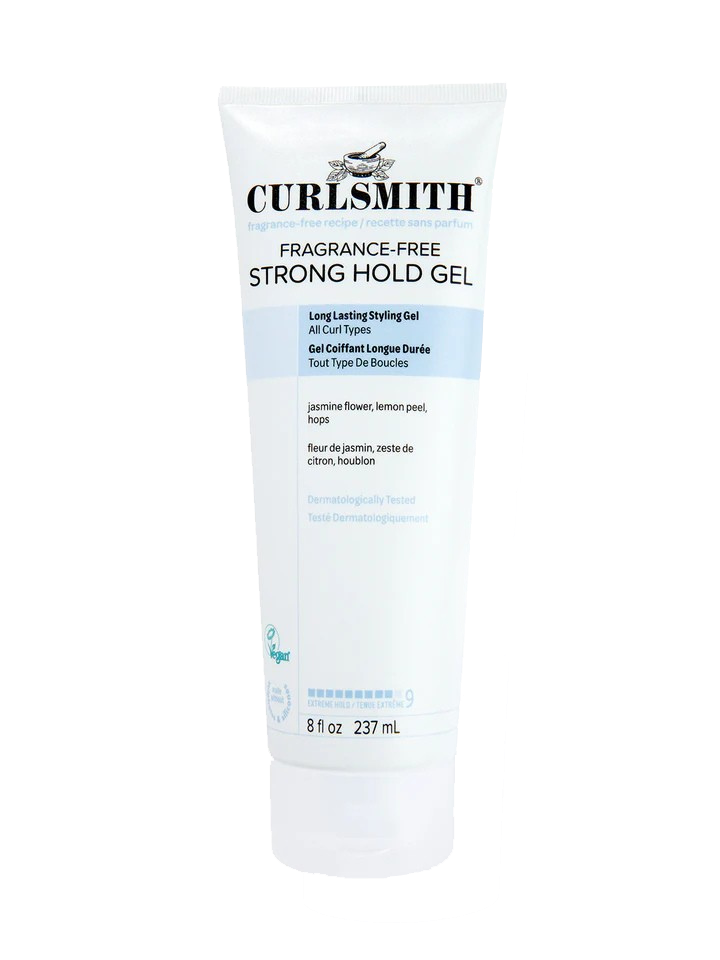
Hold level: go strong for longevity.
Conditioning level: a very conditioning gel means layering less underneath.
Texture vs. slip: how it actually feels in your hair.
Texture is for overly soft hair that won’t hold. Slip is for rough, brittle-feeling hair that needs softness.
Soft finish hair in a slippery gel just falls, because there’s no grip.
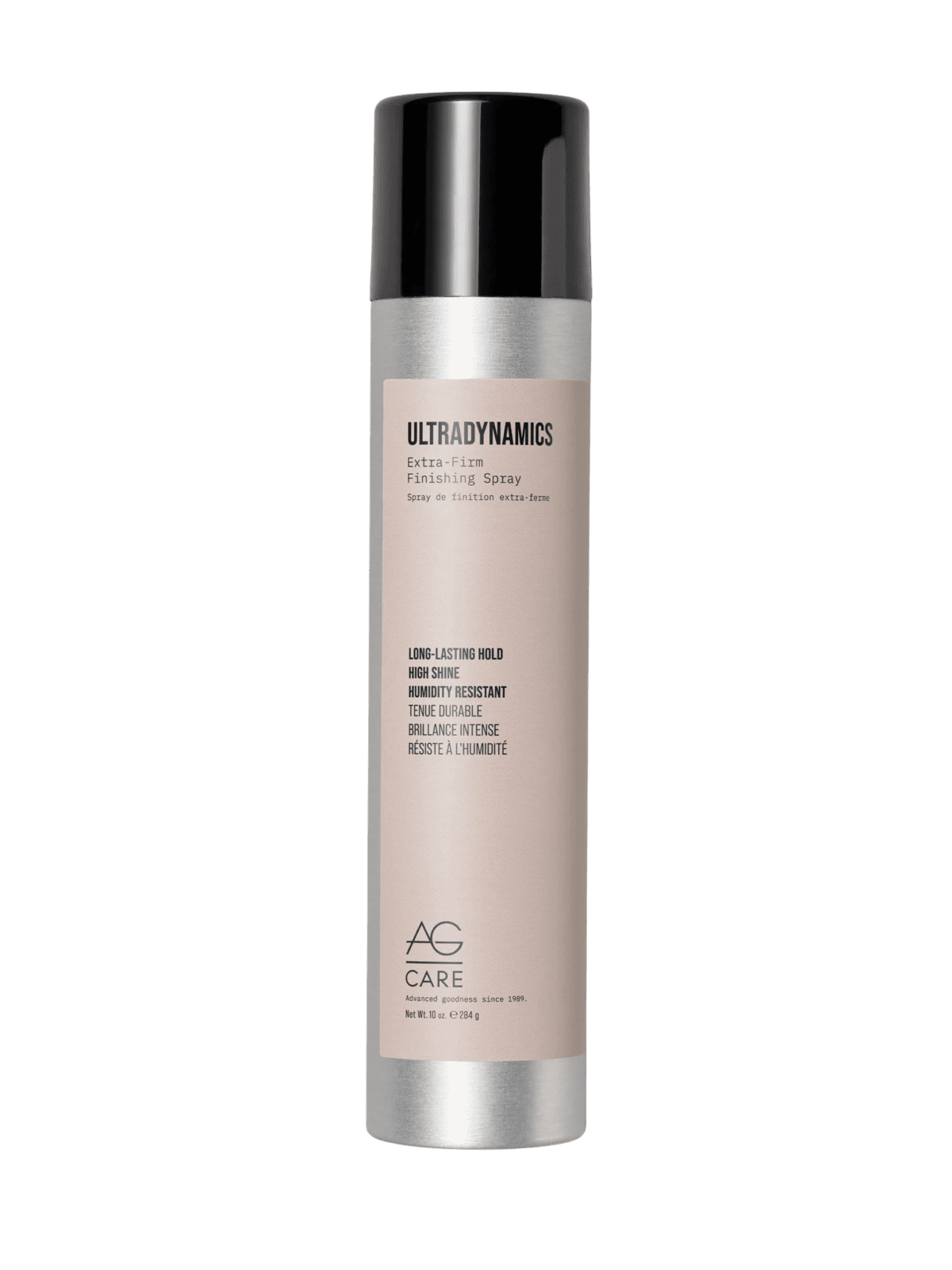
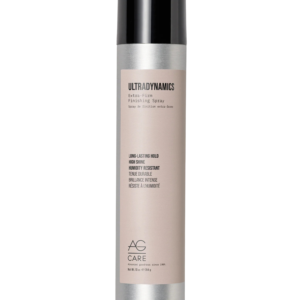
You can still use any of these if you understand the trade-offs: my soft finish clients who prefer slip gels add a hairspray like the AG Ultra Dynamics for texture. I have a rougher finish and still reach for texture gels when I want the longest lasting results; they may not feel as great, but I refresh less.
One more thing: hold goes last, always. Anything conditioning applied after your gel undoes it. And if your gel only fails in humidity, that may be conditions, not the gel maxing out.
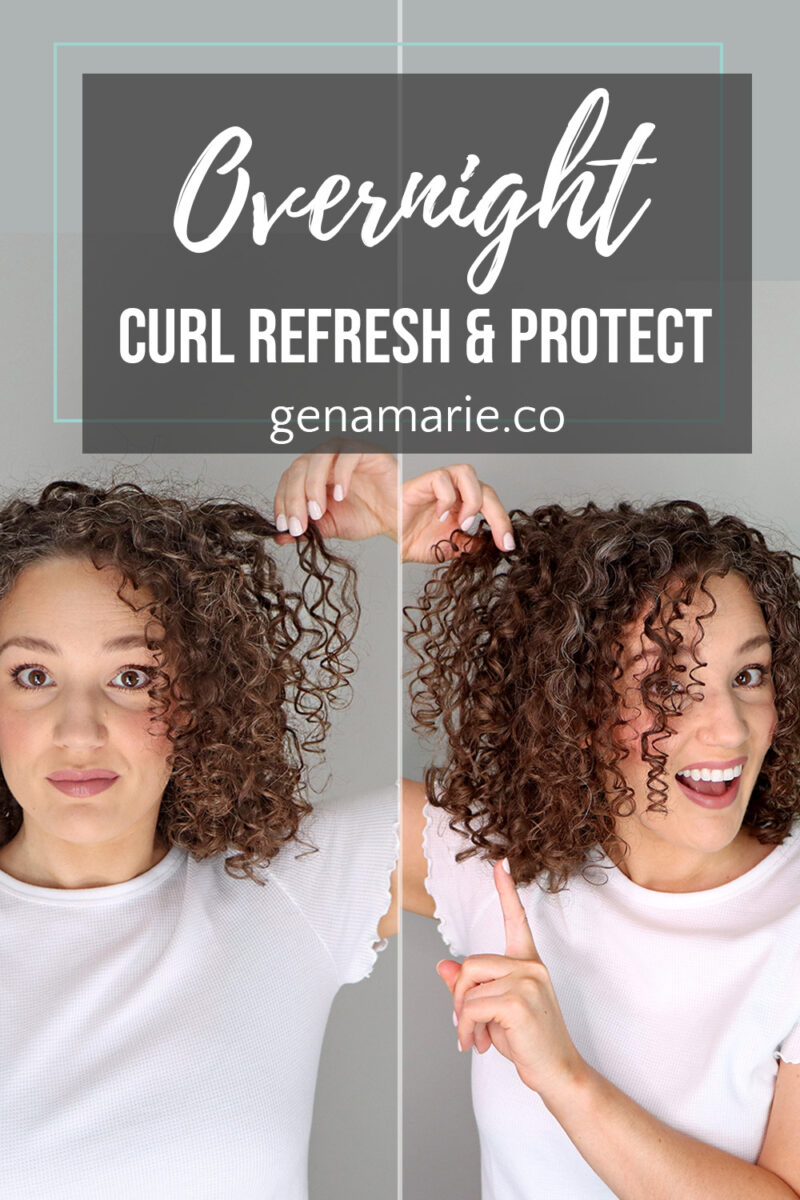
Reason 4: Your Curls Weren’t Protected Overnight
When you’d see it: they looked right at bedtime and didn’t in the morning. Easiest checkpoint to pinpoint. If they were already failing before bed, this is not your section.
What it looks like: frizz that wasn’t there before bed, curls flattened or misshapen on one side, curls pulled loose.
Questions to ask yourself:
Did I sleep on silk or satin, or cotton?
Did I secure my curls: pineapple, scarf, bonnet, buff?
Was it the right option for me?
Did I put it on properly?
✅ The fix: friction-free, secure, and put on correctly.
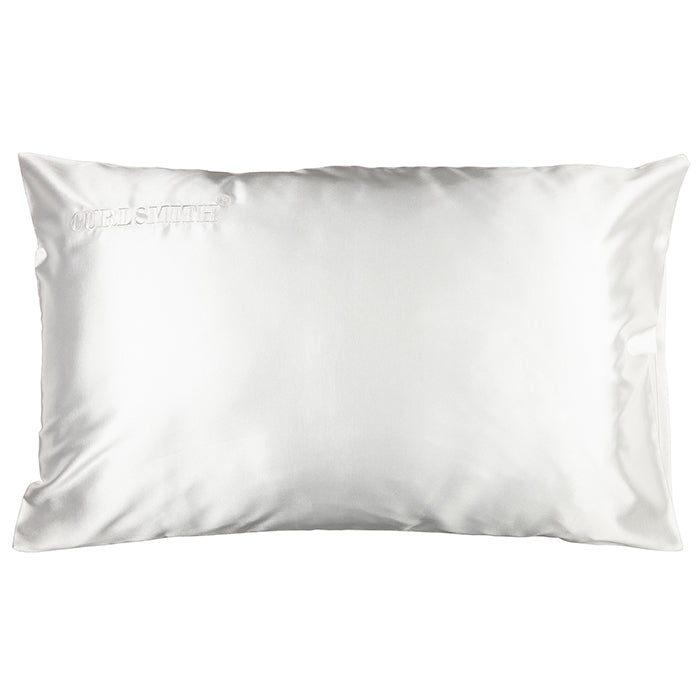
A silk or satin pillowcase, non-negotiable. Even alone, it beats cotton.
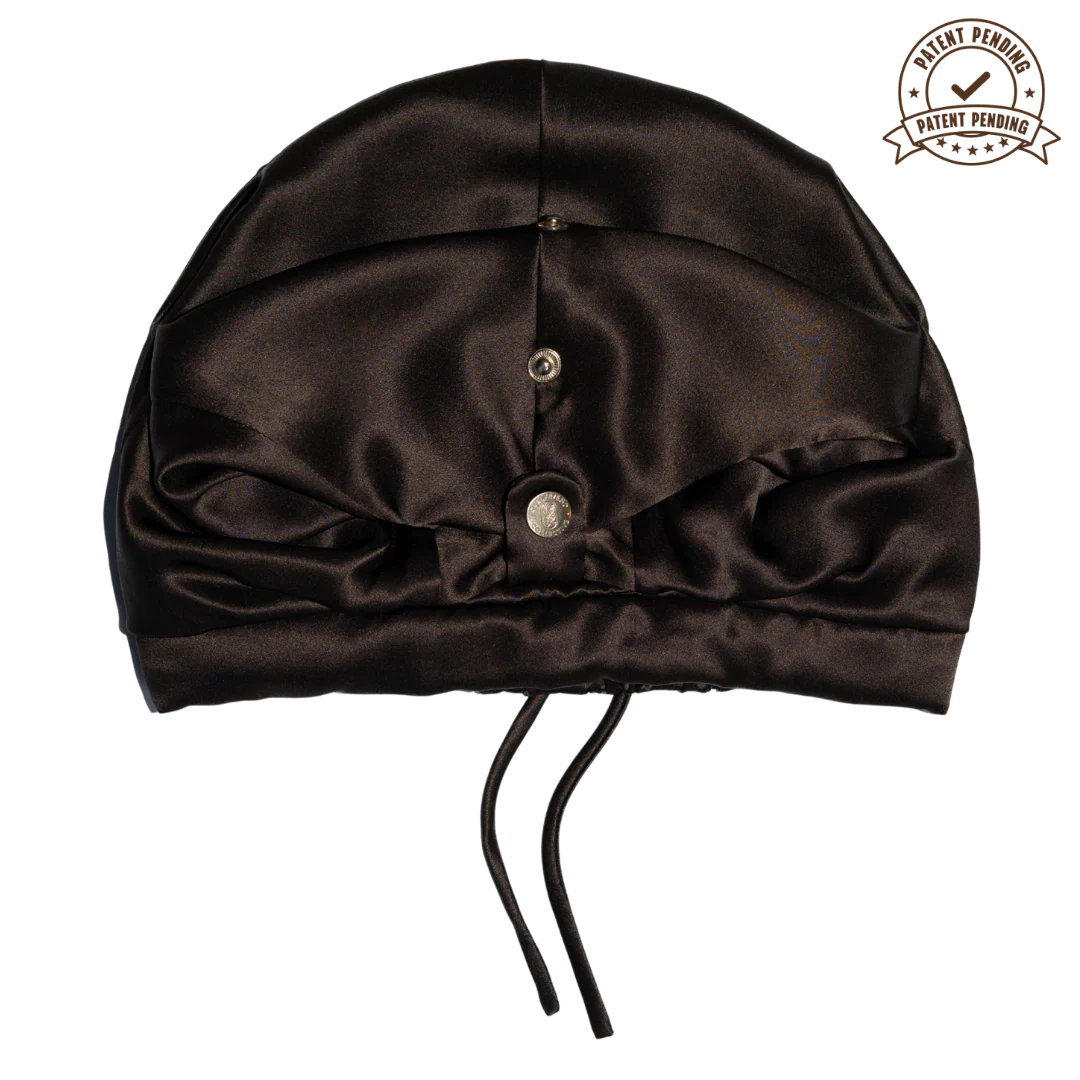
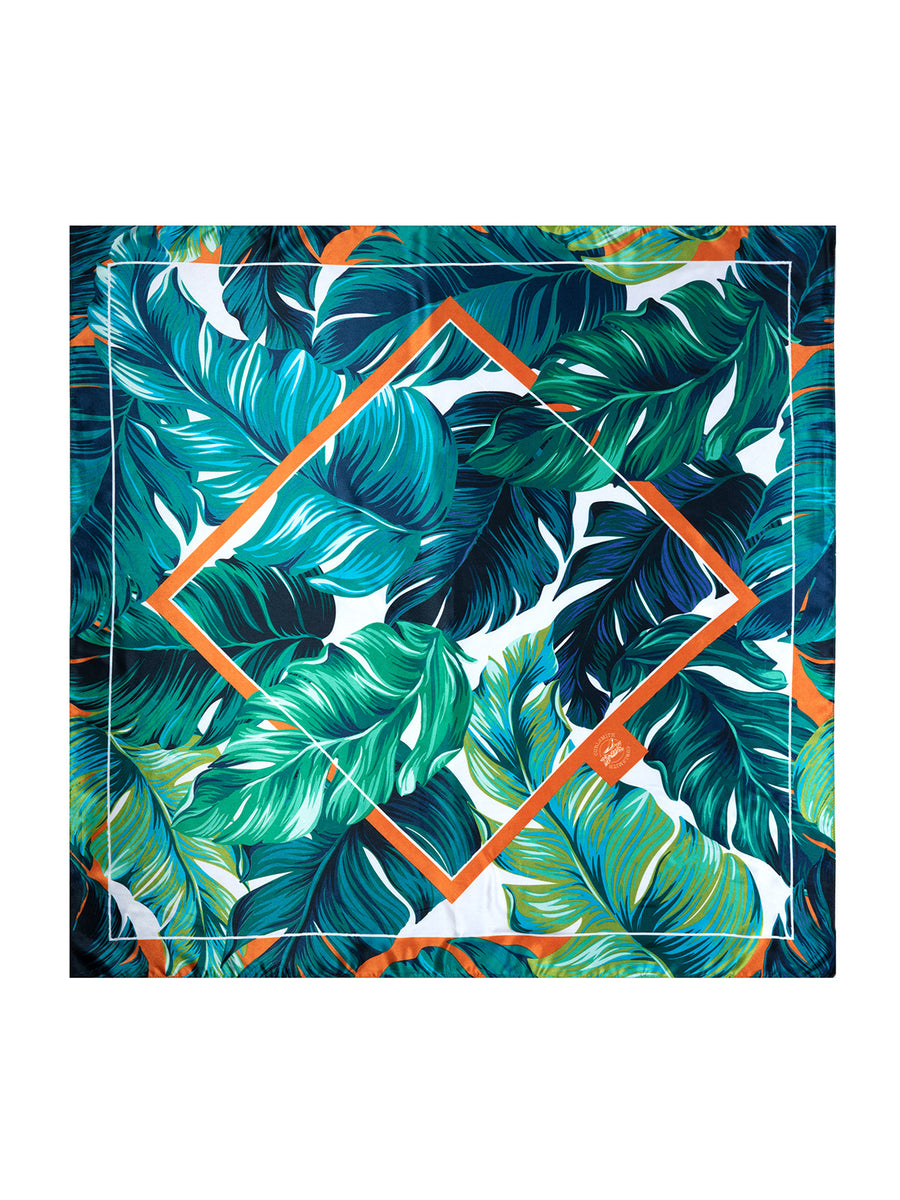
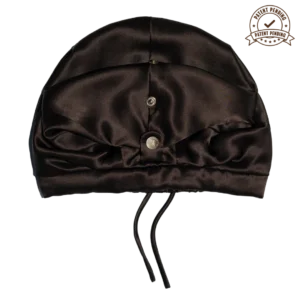
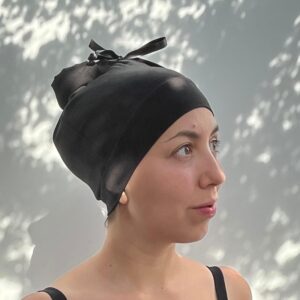
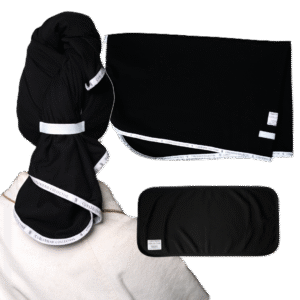
Secure your curls loosely, no tension, off your neck. Options include a bonnet or scarf.
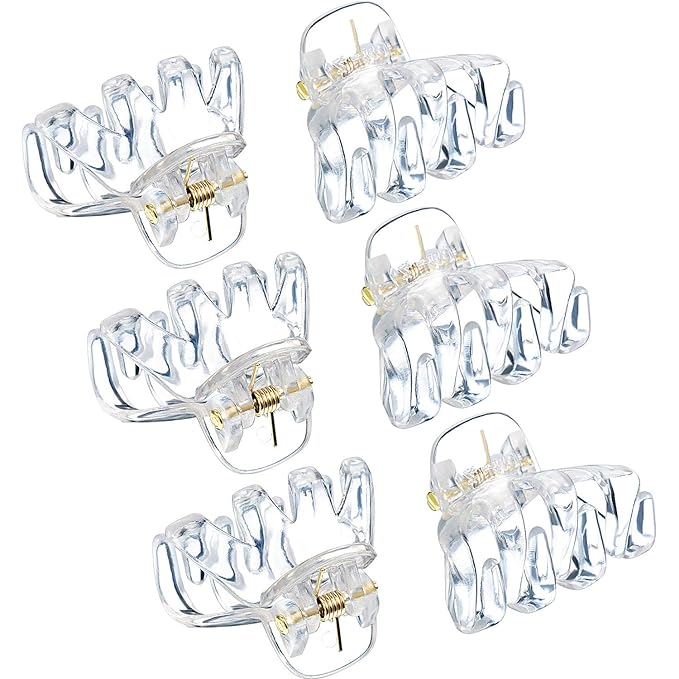
Put it on right. A great bonnet placed wrong misshapes curls; if that keeps happening, fix your placement or skip coverings for a pineapple or mini clips on your pillowcase.
My Sleep Protection Post covers every option, pros and cons, and how to wear each properly.
If all of that is solid, the night didn’t cause this. Your hold was already degrading; morning is just when it showed. Head back to Reason 1 or Reason 3. Protection preserves hold; it can’t create hold that was never there.
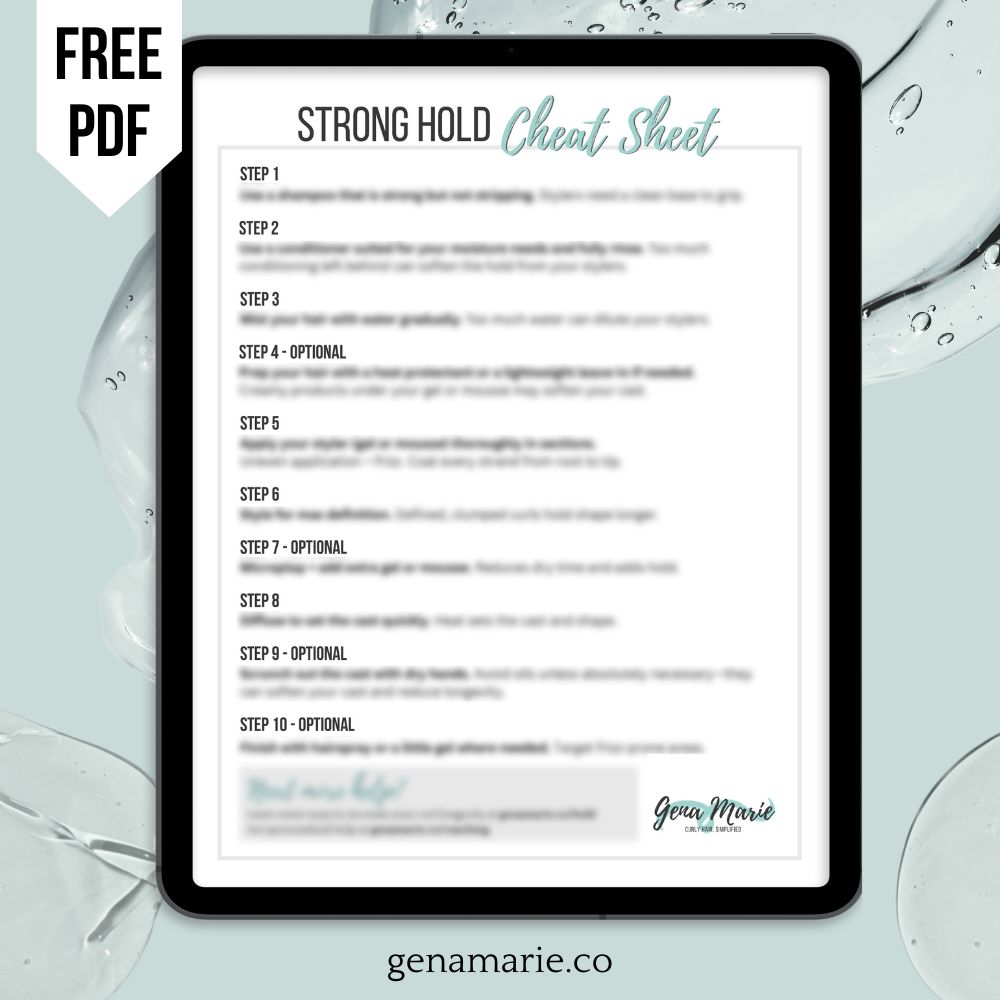
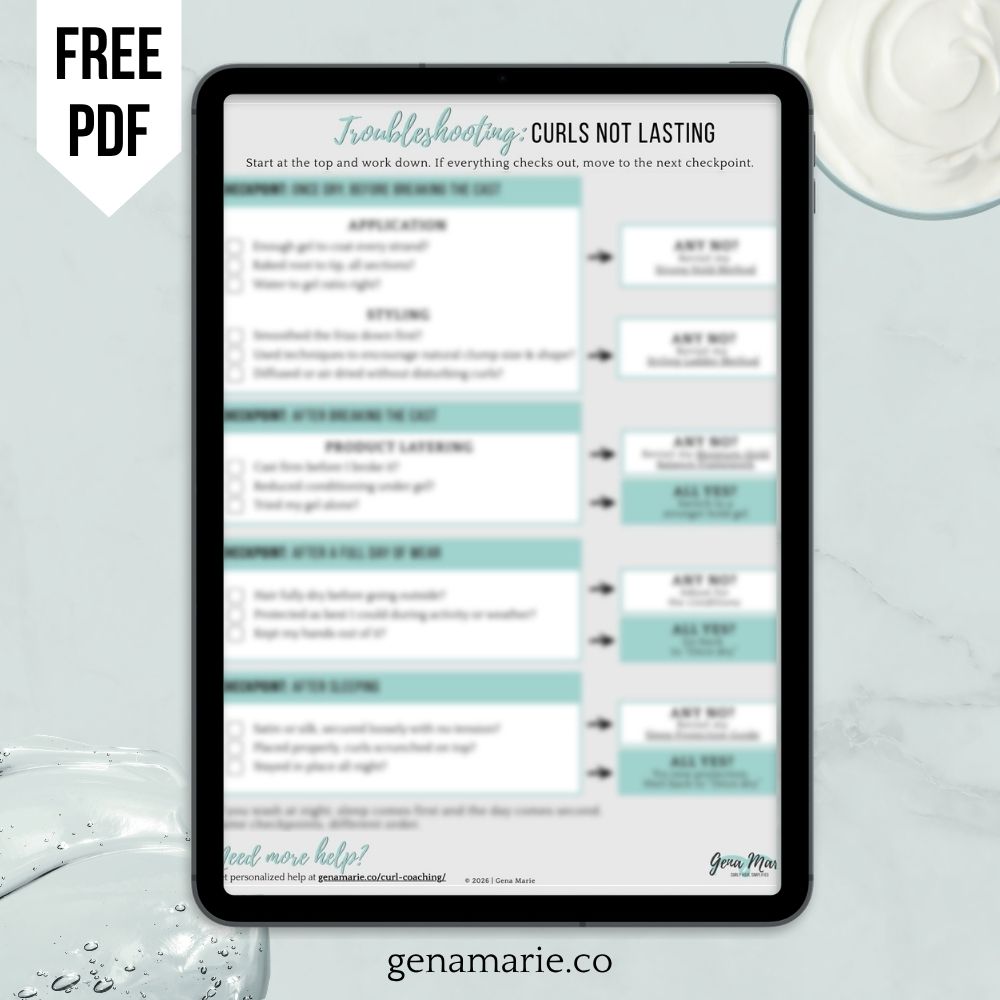
Want all of this in one place? I put the entire troubleshooting process into a downloadable flowchart: every checkpoint, every question to ask yourself, and where each answer points you next. Keep it on hand for wash day so you’re not working from memory.
If you’ve run everything above and you’re still not there, these set your range:
Curl pattern and texture. Some patterns simply last longer. Fine, soft finish waves have a different ceiling than coarse, tighter curls.
Damage. Damaged hair doesn’t retain moisture or hold. Recoverable, but a different baseline.
Scalp type and oil production
Weather. Humidity, dry air, wind all break down curls faster.
Lifestyle, like daily workouts or swimming
None of these are failures; they set your range, and what you control decides where you land inside it. But most people blame these before finishing the checks. This is usually where I uncover adjustments with clients, and the light bulb goes off: “I didn’t even notice I was doing that until you pointed it out.”
When You’ve Tried Everything and It’s Still Not Working
I’ve gotten more longevity out of almost every client I’ve worked with, even the hardest hair types: at least to day two, at least through wash day.
If you’re stuck doing this alone, you need a second opinion, and this is exactly what I do inside my Group Curl Coaching Program. I don’t just tell you what to change; I teach you to read your own results.
We kick off our fall program on Tuesday, September 1. Enroll before doors close on September 15. Reach out with questions if you’re unsure if it’s a fit.
More control means more curl confidence. You’re not surprised by a bad wash day; you know what to do next.
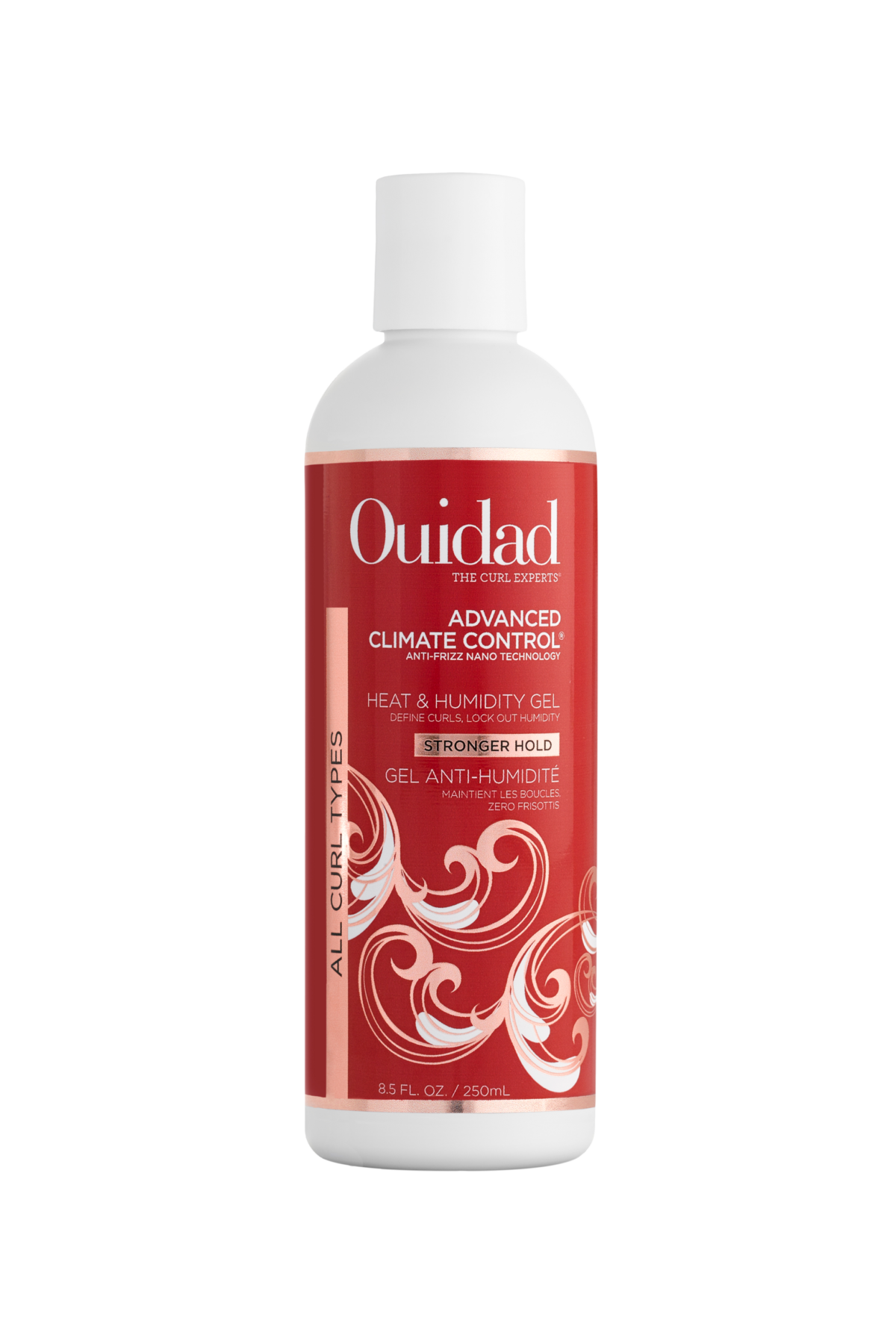
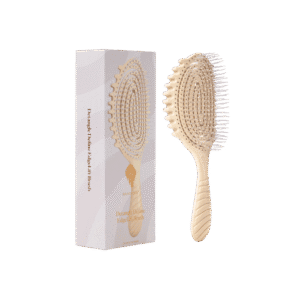
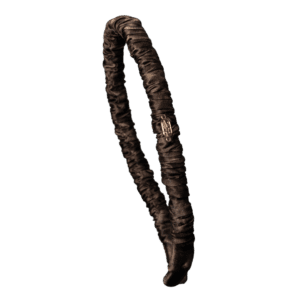
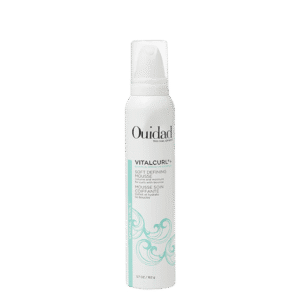
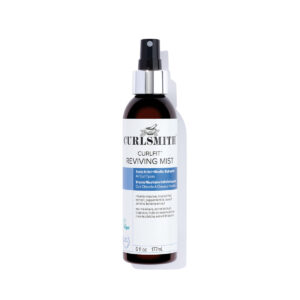
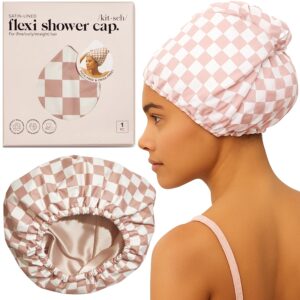
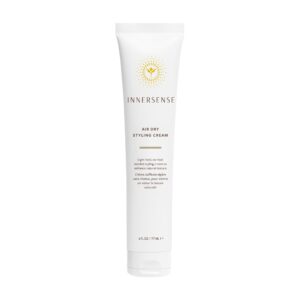
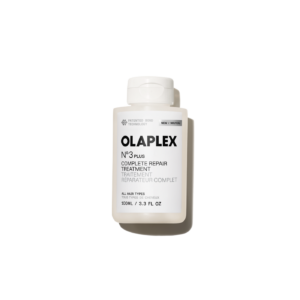
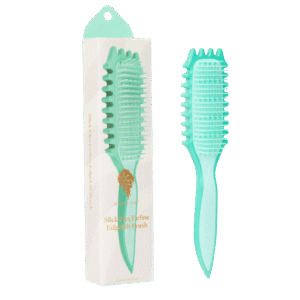
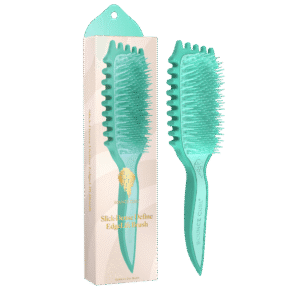
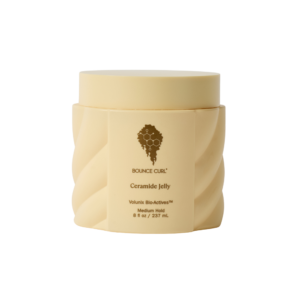
Amazon’s Prime Day Deals are happening today and tomorrow only! I’ve rounded up my top curly hair picks on my Amazon storefront plus shared quick notes below on each product’s key characteristics to