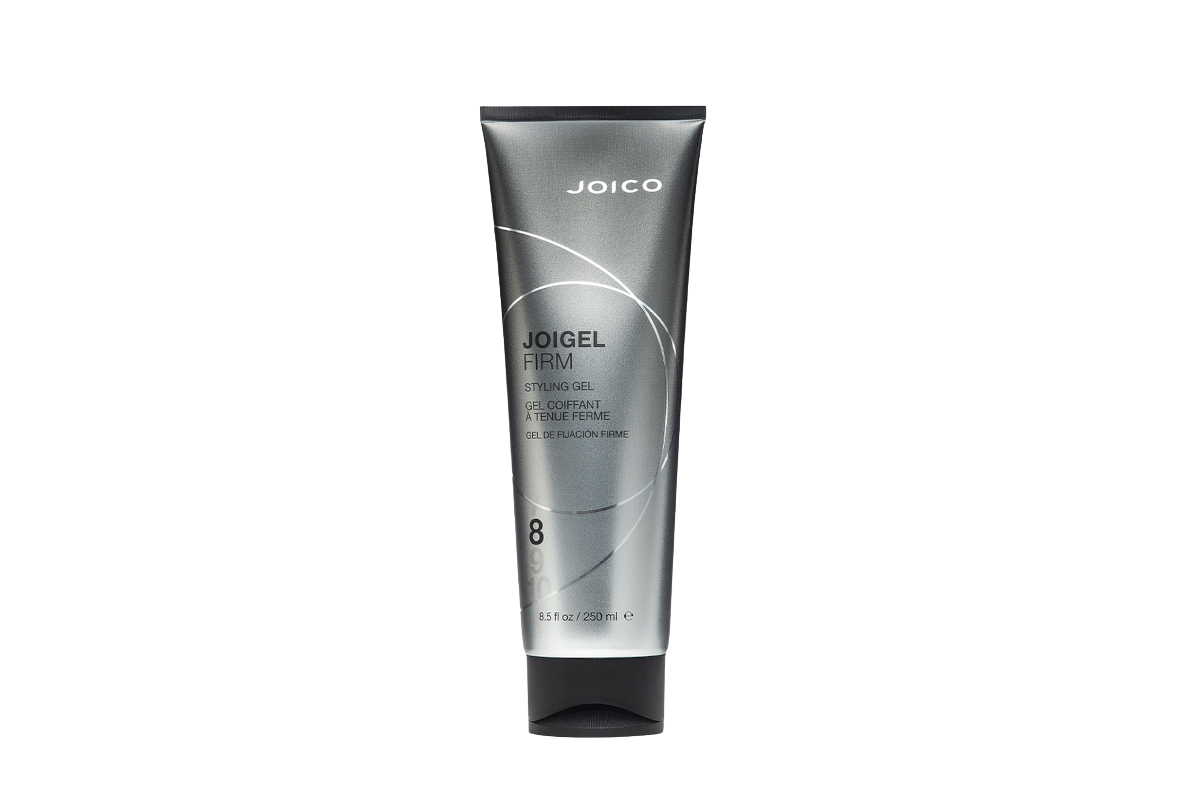
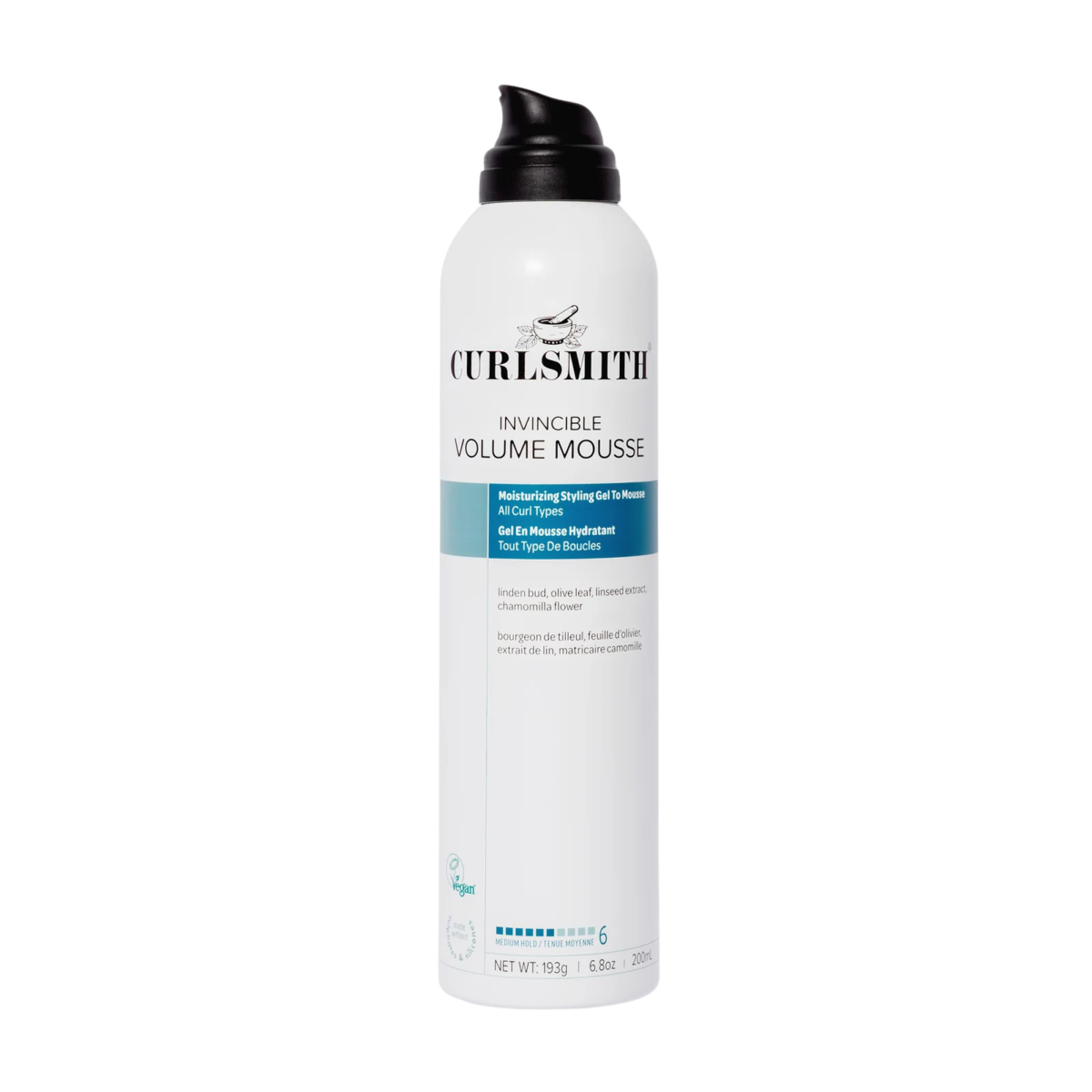
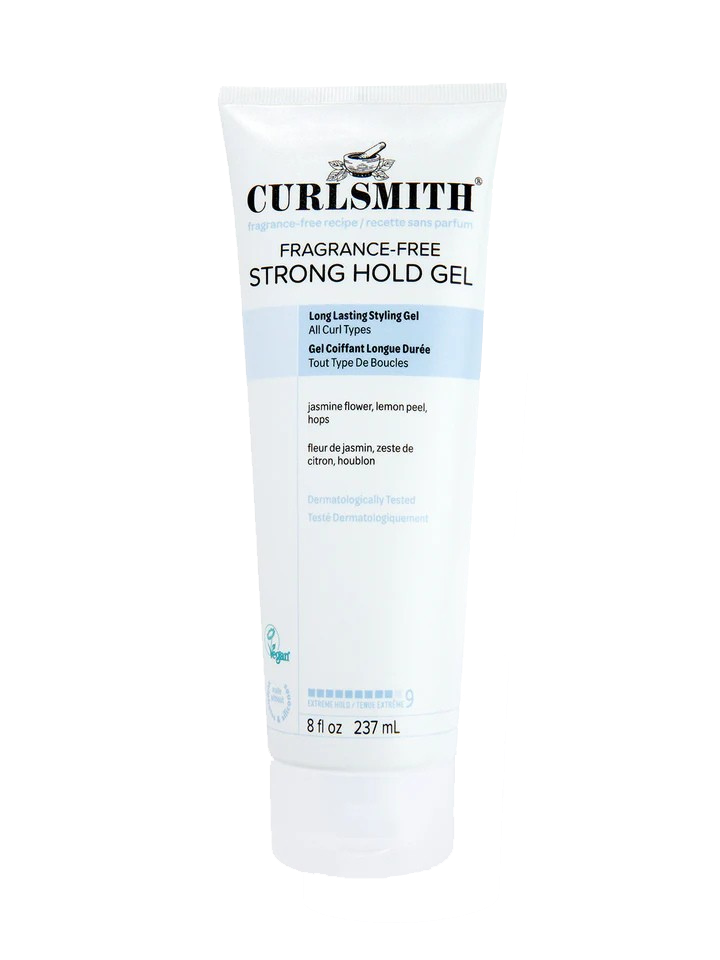
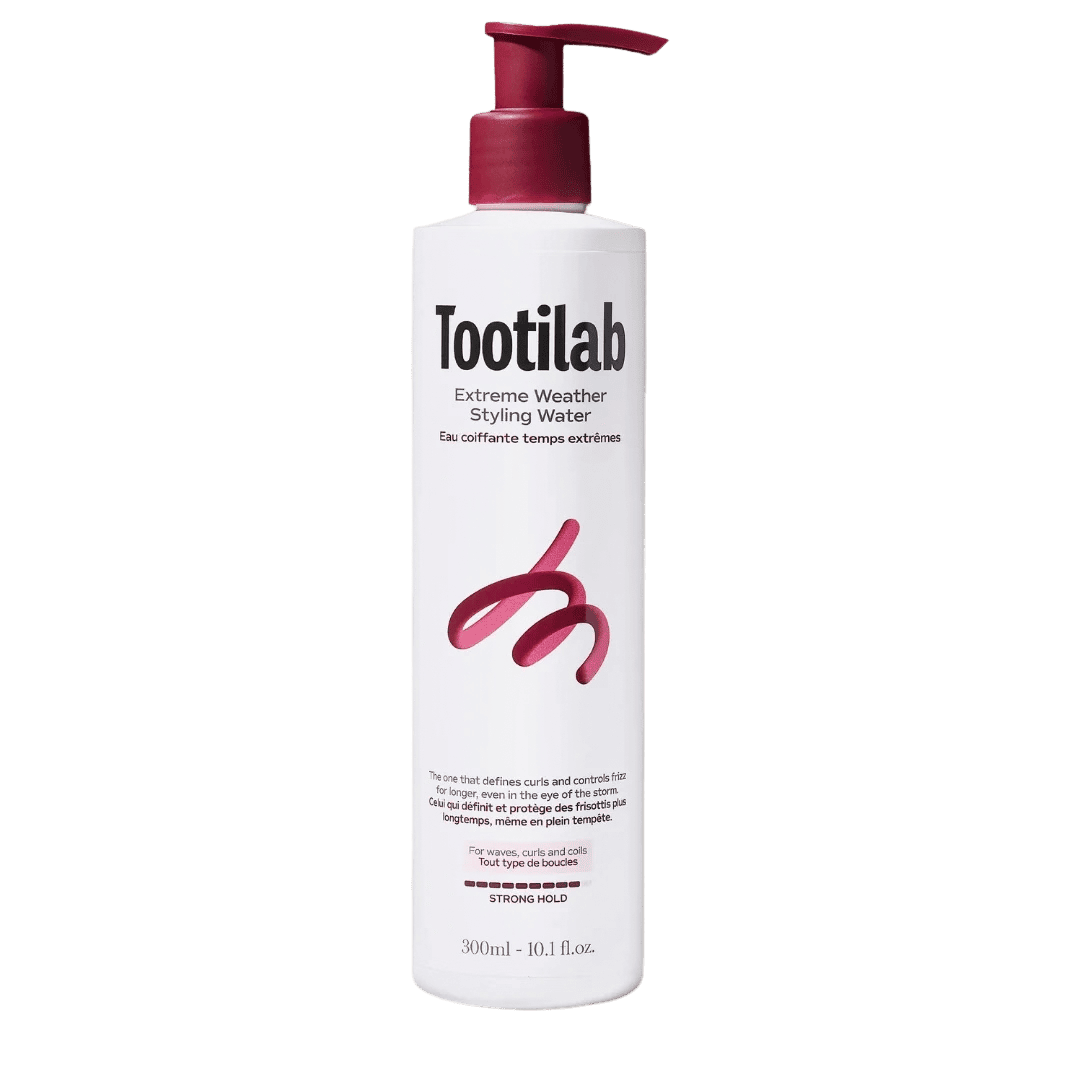



Curls Not Lasting or Feeling Dry? How to Balance Texture and Softness in Your Curl Products
Do your curls feel soft but never last past wash day? Or do they feel brittle, dry, and hard to manage? It’s often not your

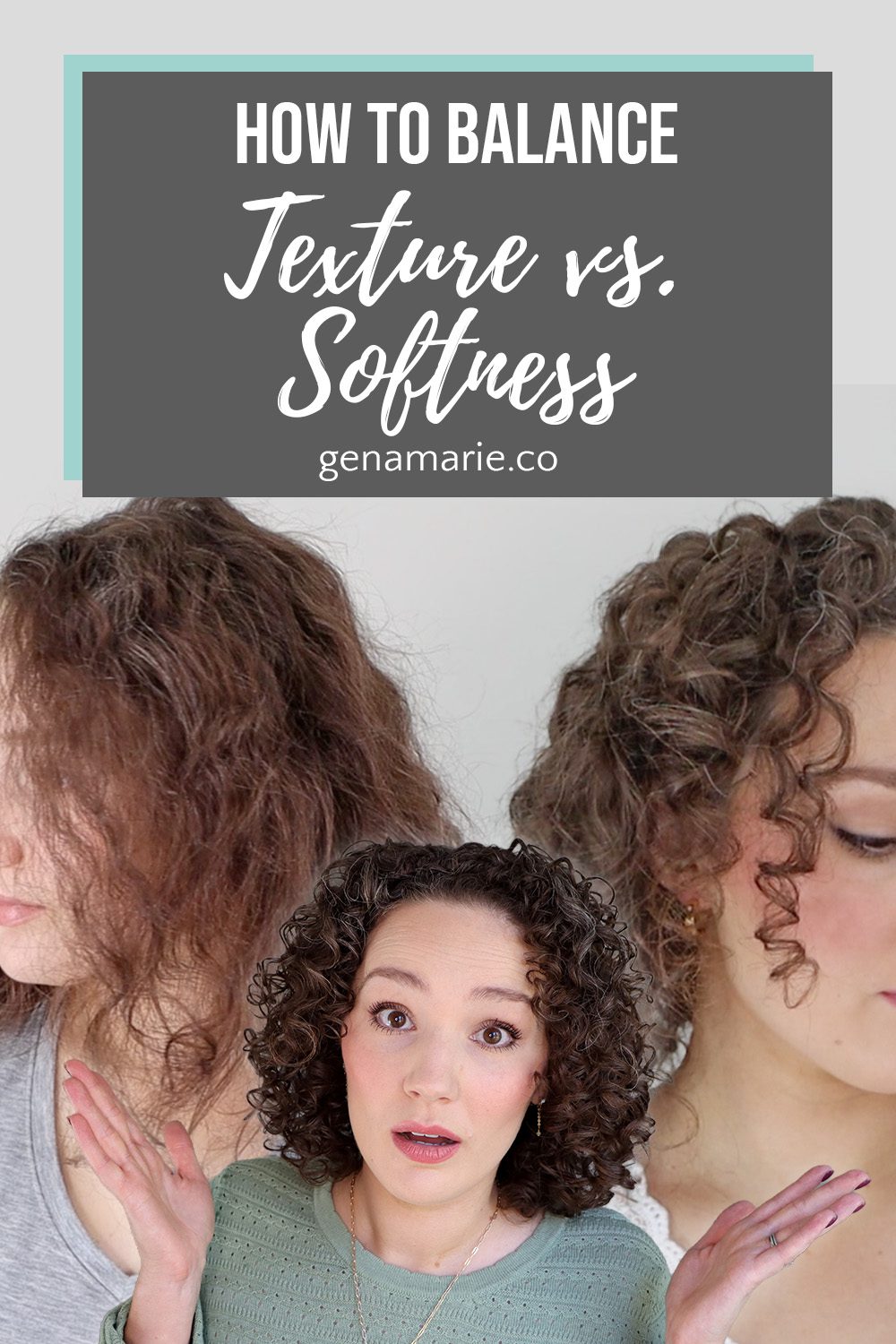
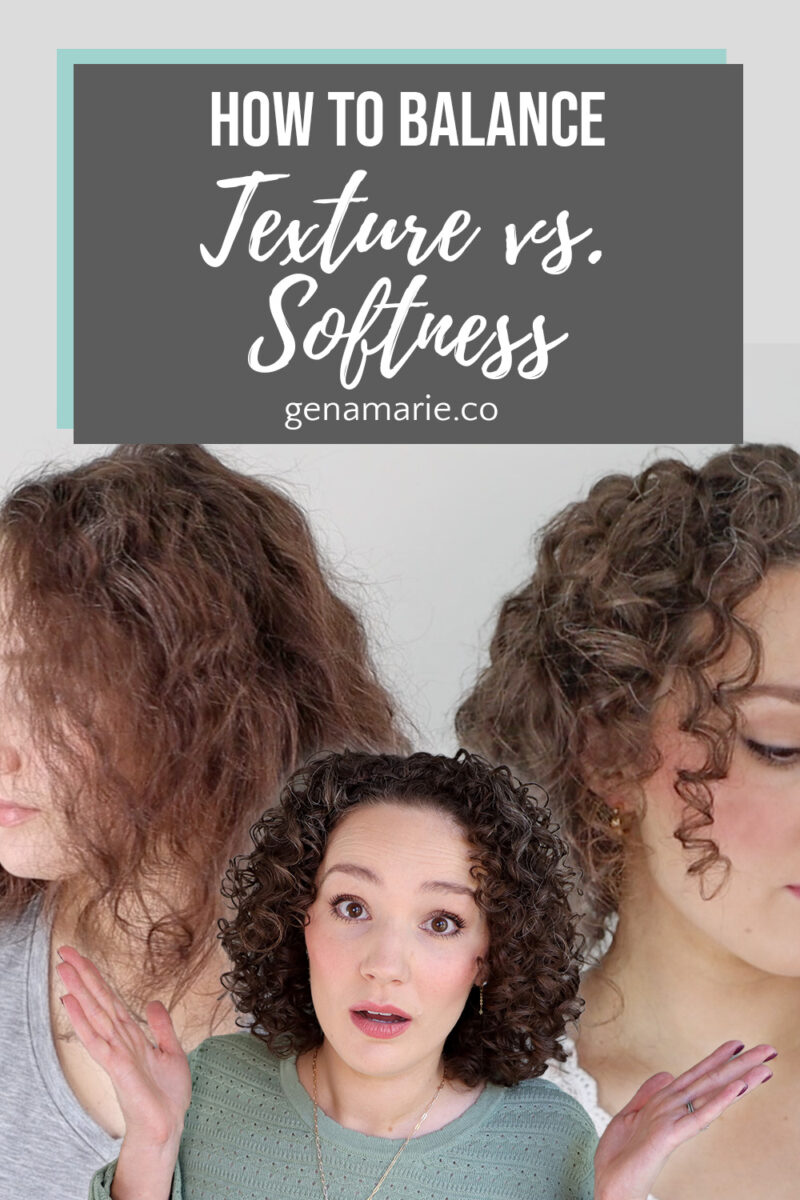
Do your curls feel soft but never last past wash day? Or do they feel brittle, dry, and hard to manage? It’s often not your hair type. It’s the balance of texture and softness in your products.
This is a lesson I teach my Curl Coaching clients. By the end, you’ll know how to adjust that balance, even with the products you already have.
Before you change any products, start with your hair, because what you need depends on how it behaves. You don’t need to know your exact hair type. Just decide whether your hair leans soft or rough. Here’s how the two profiles compare.
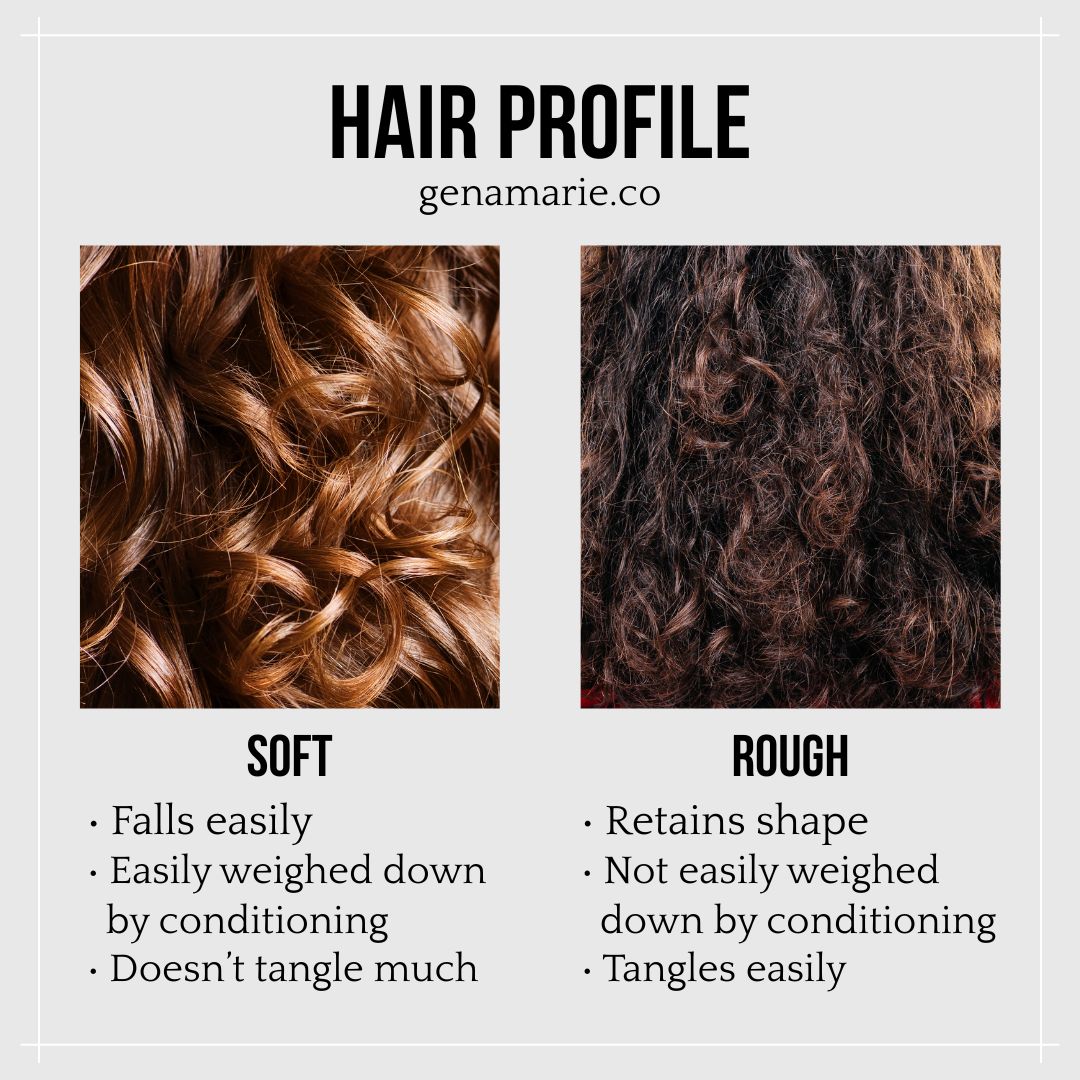
Pick the side that sounds more like you. It’s a starting point, not a rule. The rough profile is also more forgiving, so you can go either way and still get curls that last.
Once you know your profile, the next thing to understand is what your products are adding to your hair: texture, softness, or a little of both.
Layer instead of relying on one product: Sometimes one product covers everything your hair needs, but it might not, and it leaves you less flexibility. A few products with clear jobs let you adjust the balance:
This builds on the Moisture-Hold Balance Framework. My four steps are shampoo, conditioner, prep, and styler for hold. Conditioning builds from your shampoo through your prep, and your gel balances it with hold.
Texture and softness are a second balance on top of that, set by the products you choose for your prep and styler.
Texture and softness sit on opposite ends of a spectrum. This graph shows where common styling products tend to fall.
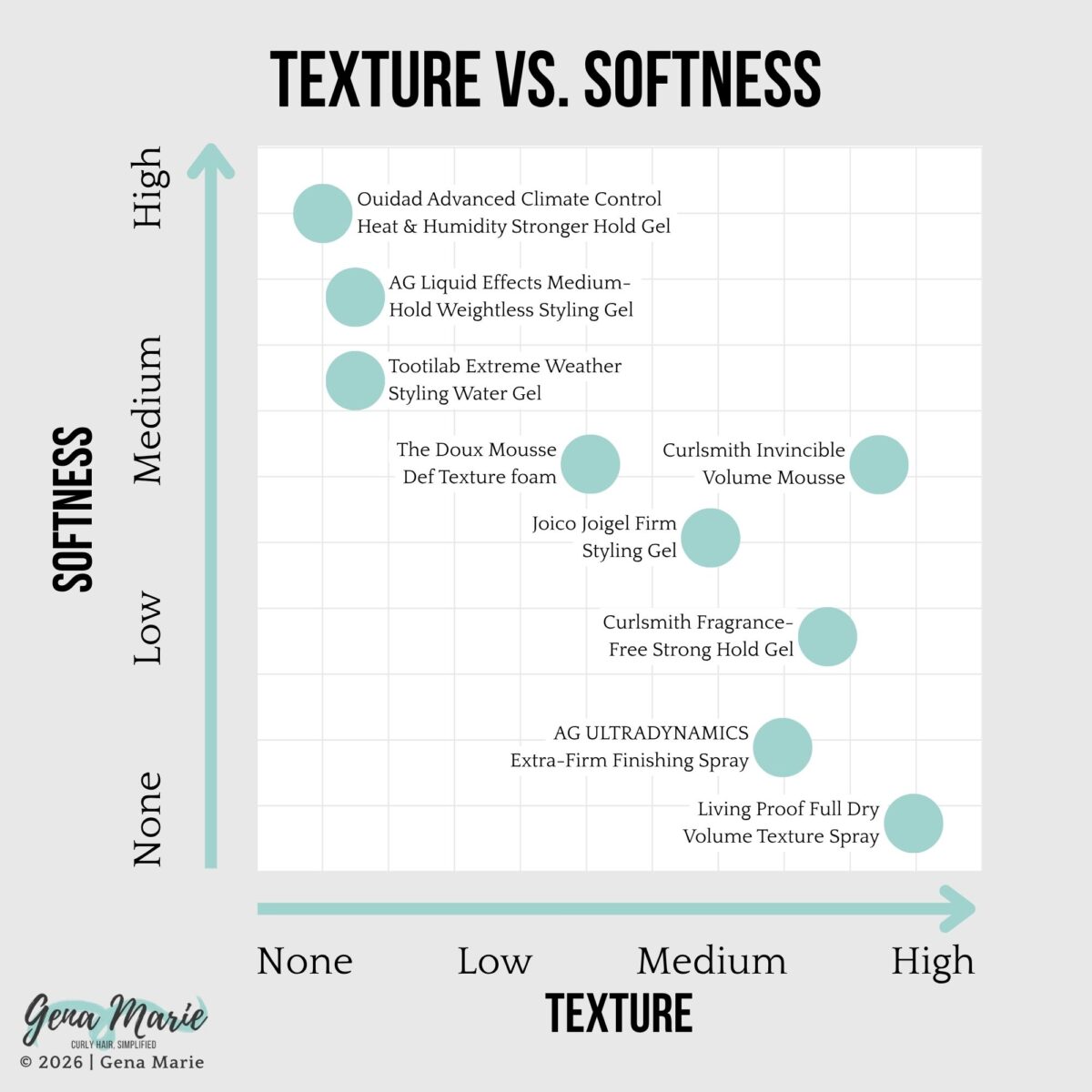
A lot of slip or conditioning usually means less texture, but not always. Hold is separate too, so a softer gel can still be strong hold. Some texturizing products help with frizz, while others need a gel on top.
Borrow from the other side when your goal changes:
Now you can put it together. Start with your profile from Step 1 and the result you want. Each option below names what it gives you, and the summary at the end matches each one to a profile.
You may already own products with the same qualities, so notice why each pairing works. For your prep and styler, look for:
The order matters:
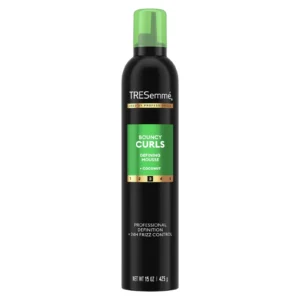
If your hair is already very soft, a gel or mousse with built-in texture can be one and done.
With heat protection built in, you don’t need anything underneath. It won’t give you a ton of volume, but it won’t weigh your hair down either. It’s a good balance for a very soft profile that needs texture without hating the feel.
I feel the texture more on day two, when there’s less slip for detangling, so I try to avoid refreshing.
It’s for you if you want a lot of volume, or your hair is super soft and always falls. It works alone if you don’t need much frizz control, though you may refresh a bit more.
Use a very lightweight heat protectant underneath if you need one. A gel on top gets product-y, so I’d use it alone.
Thick, clear gels like this typically have texture, likely from their thickening agents. Use the water in your hair to help it spread. So many of my soft profile clients love it, and I reach for it for volume even though my hair leans rough.
If you need heat protection and your hair gets weighed down easily, go light underneath with the Living Proof Leave-In Conditioning Spray. It adds a little softness plus heat and UV protection, and my clients love this combo.
A neutral gel isn’t very softening or very texturizing, so you can build in either direction from it.
This combination is unusual. That much slip usually comes with heavy, creamy conditioning, but this gel uses humectants to moisturize without weight.
My clients of all hair types get great results with it, and it can be one and done. When I filmed, I was on day four and had refreshed, and it still looked really good.
On my rough profile hair, it can feel a little dry and brittle by day two or three on its own. So I add a small amount of the Tootilab Soft Leave-In Cream underneath for softness and conditioning, and the gel gives me hold and even more slip.
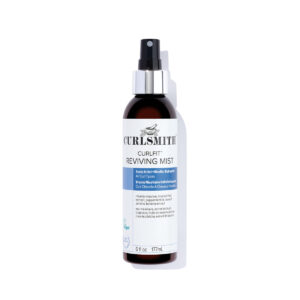
The leave-in and Tootilab combo has no texture. To add some, put a finishing spray on top of your neutral gel, or any gel that doesn’t give you enough texture. Aerosols usually add the most texture, and they vary in hold. Here are my two picks.
For texture without stickiness, use the Living Proof texture spray. The brand claims volume and texture, not hold or frizz control. It feels like a softer, less sticky hairspray, which makes it one of my go-tos.
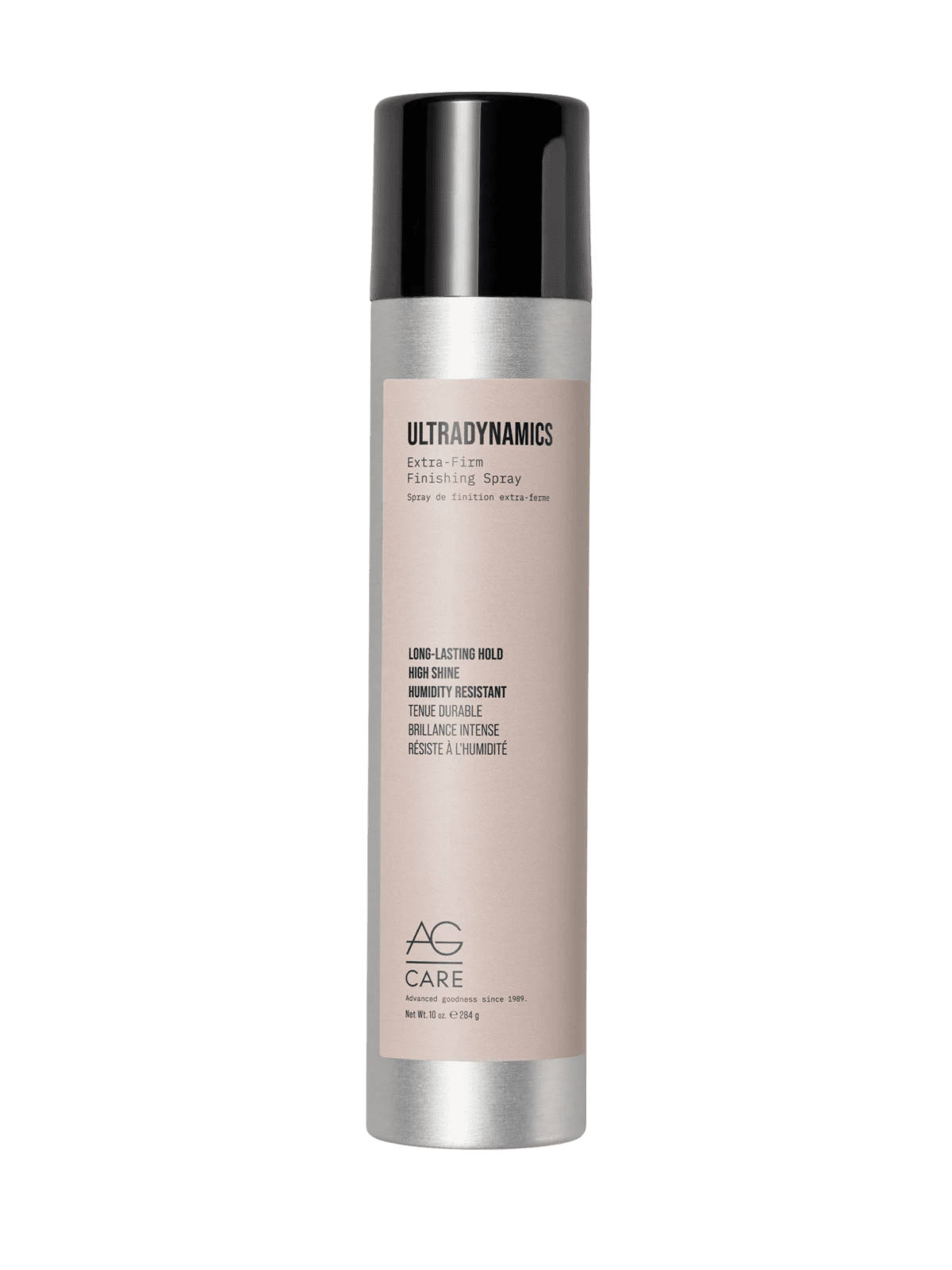
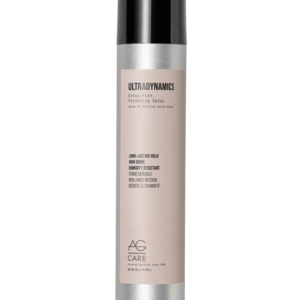
For texture plus hold, use the AG hairspray. It has a flexible feel. I prefer softer hairsprays because my hair tangles easily, and strong-hold ones can make next-day refreshing difficult.
Want softness and texture together? Keep the leave-in underneath: the Tootilab Soft Leave-In Cream, then the Styling Water, then a texture spray. If three products is too many, choose a gel with texture built in, like the ones in Option 1.
The double gel method is for clients who want a little softness, some texture, and hold, without a creamy leave-in weighing them down or texture all over. Your base is always the softer product, and it can be a softer gel. Here’s the pairing, softer gel first.
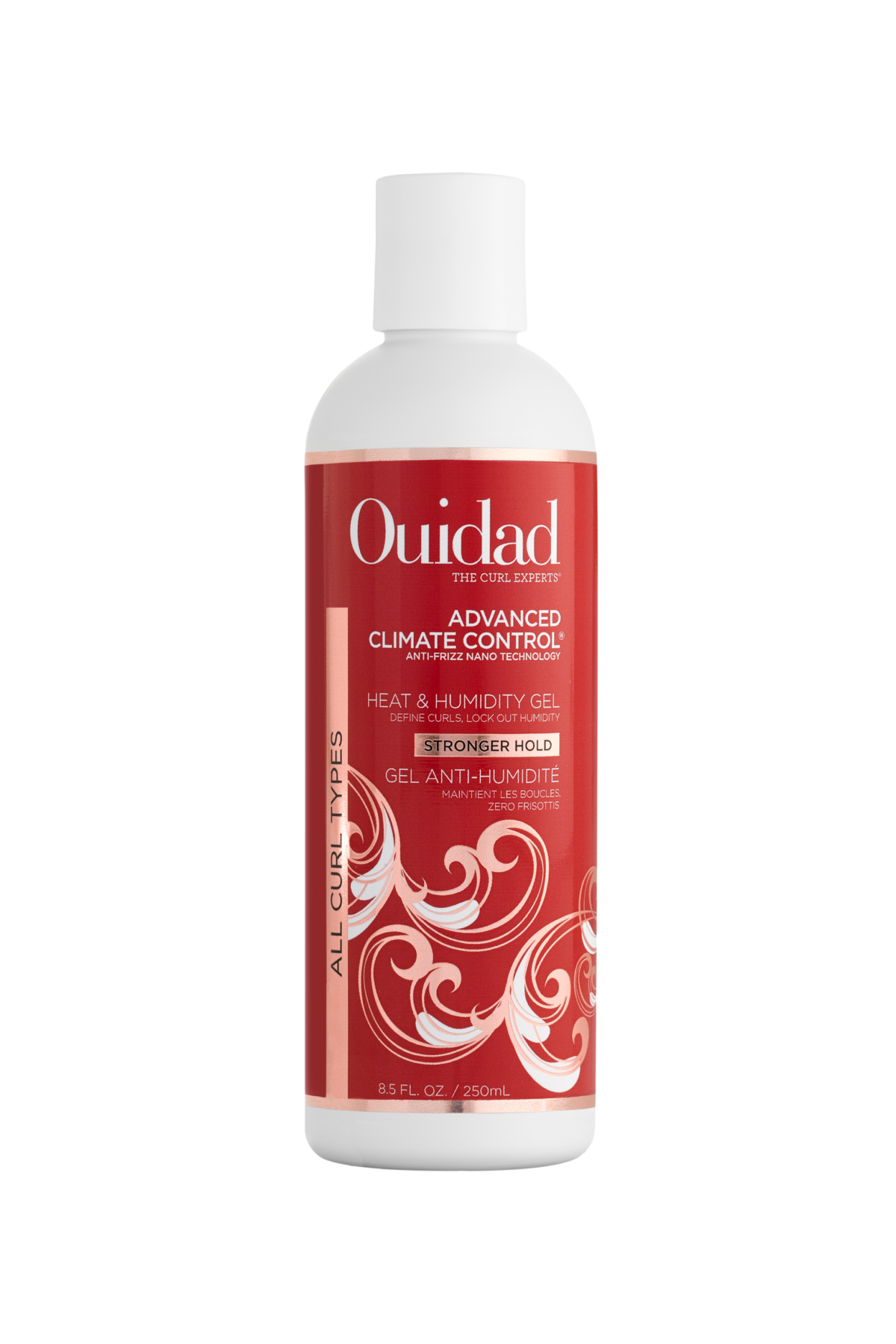
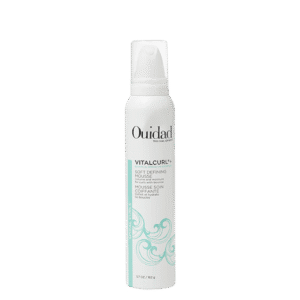
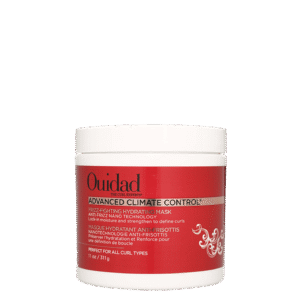
You can also use the Ouidad Advanced Climate Control Heat & Humidity Stronger Hold Gel as your base with a little Curlsmith scrunched onto the surface. Just don’t pair the AG with the Ouidad. Both are conditioning, so together they’re way too much.
You can also put texture under your main holding product. Texture doesn’t give you frizz control, so you still need a gel on top. Here’s the pairing, texture product first.
The brand calls the Doux an all-in-one styler. It gives a little grip but isn’t very volumizing. For stronger hold, layer the Ouidad on top.
When I’ve done this combo, I haven’t seen much more volume, and the hold tends to soften. Foams and mousses are watery and usually pretty conditioning, so under a high-conditioning gel like the Ouidad, it’s too much softness for already-soft hair. A lot of people layer this way without realizing it’s why their curls aren’t lasting.
On a rougher profile like mine, you can experiment with it. A salt texturizing spray works the same way: it has no frizz control, so always use it under a gel.
If your combo is close but not quite right, you don’t need new products. Change how you apply them. Try one change on your next wash day and see how your hair feels.
Even with a balanced wash day, there’s one tradeoff left to think about: how easy your hair is to refresh.
Too much texture makes refreshing harder, because your hair tangles more. To make it easier:
Too much softness means your curls won’t last. Your hair feels limp and loses volume at the roots, especially if it’s already soft.
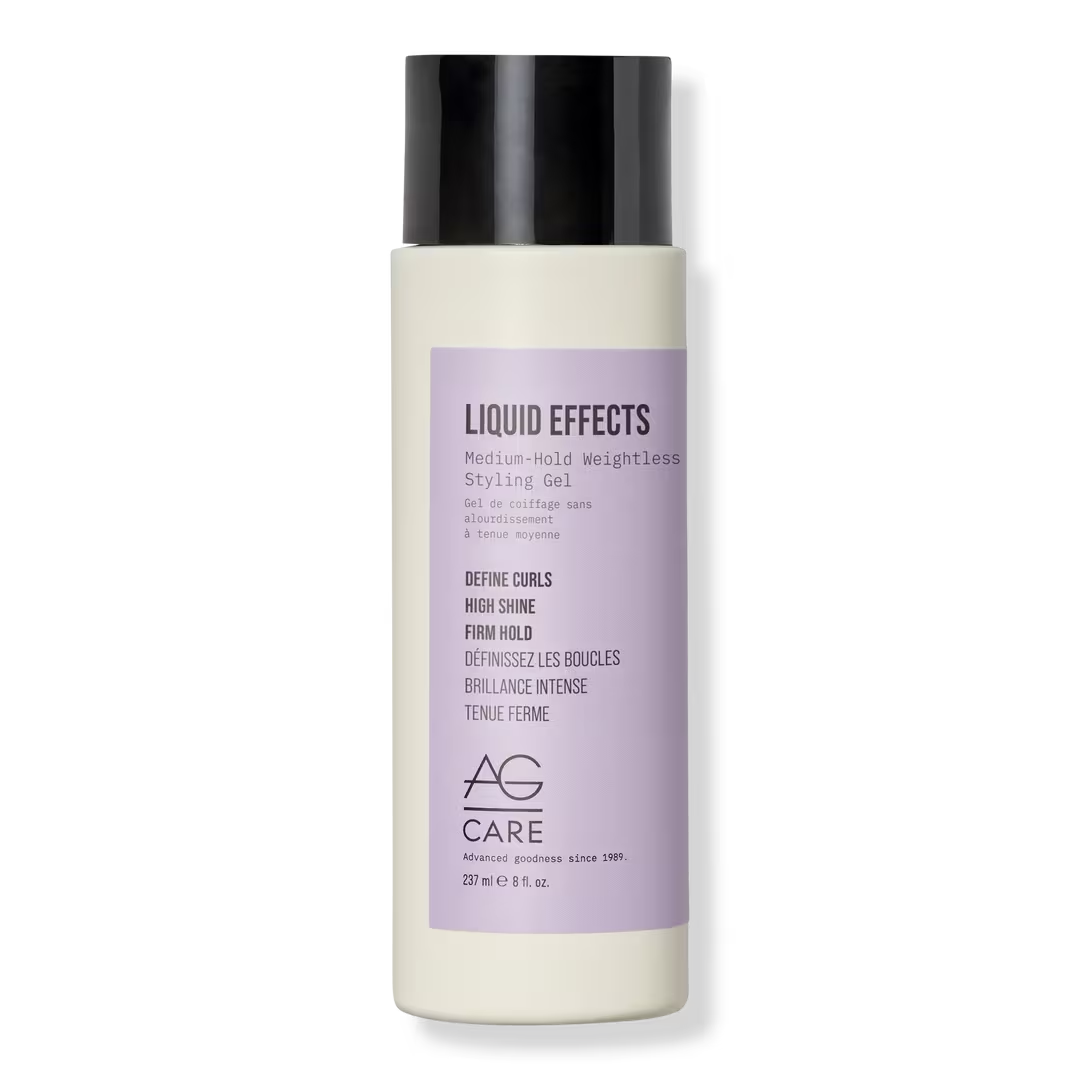
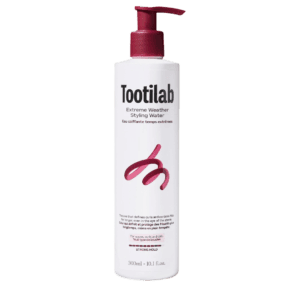
Don’t like texture? Choose high slip with low conditioning. The Tootilab Extreme Weather Styling Water gives you strong hold without weight or texture, which is why I call it a universal gel. AG Liquid Effects can work too, though your curls may have a bit less volume. Avoid high slip with high conditioning.
You might not have to choose. With the right balance for your hair, you may not have to make this tradeoff at all. Ask yourself: are the benefits worth the feel?
Once you’ve made a change, check your results. Ask yourself:
Once you can read your hair and know what your products provide, you can pick the right ones:
If you’ve tried all of this and still can’t get it right, that’s what my Curl Coaching Program is for. I teach you to read your specific hair, understand how it’s behaving, and choose the right products. You’ll learn to shop smarter and control your results, so curly hair feels less unpredictable and you stop wasting money on products.
The Winter Coaching Program is coming up. Join the waitlist for early access starting November 15.

Do your curls feel soft but never last past wash day? Or do they feel brittle, dry, and hard to manage? It’s often not your
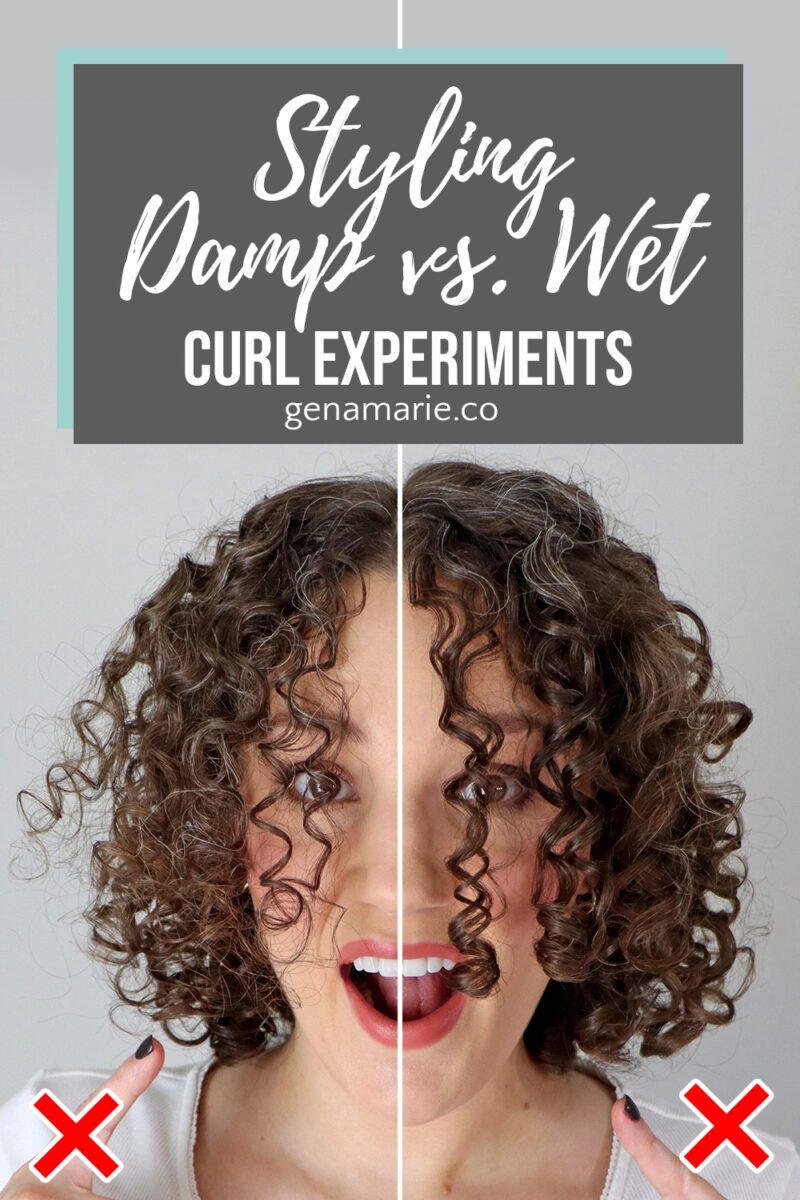
Are your curls stringy and frizzy, or heavy and weighed down? The advice you’ve been following about how much water to style with might be
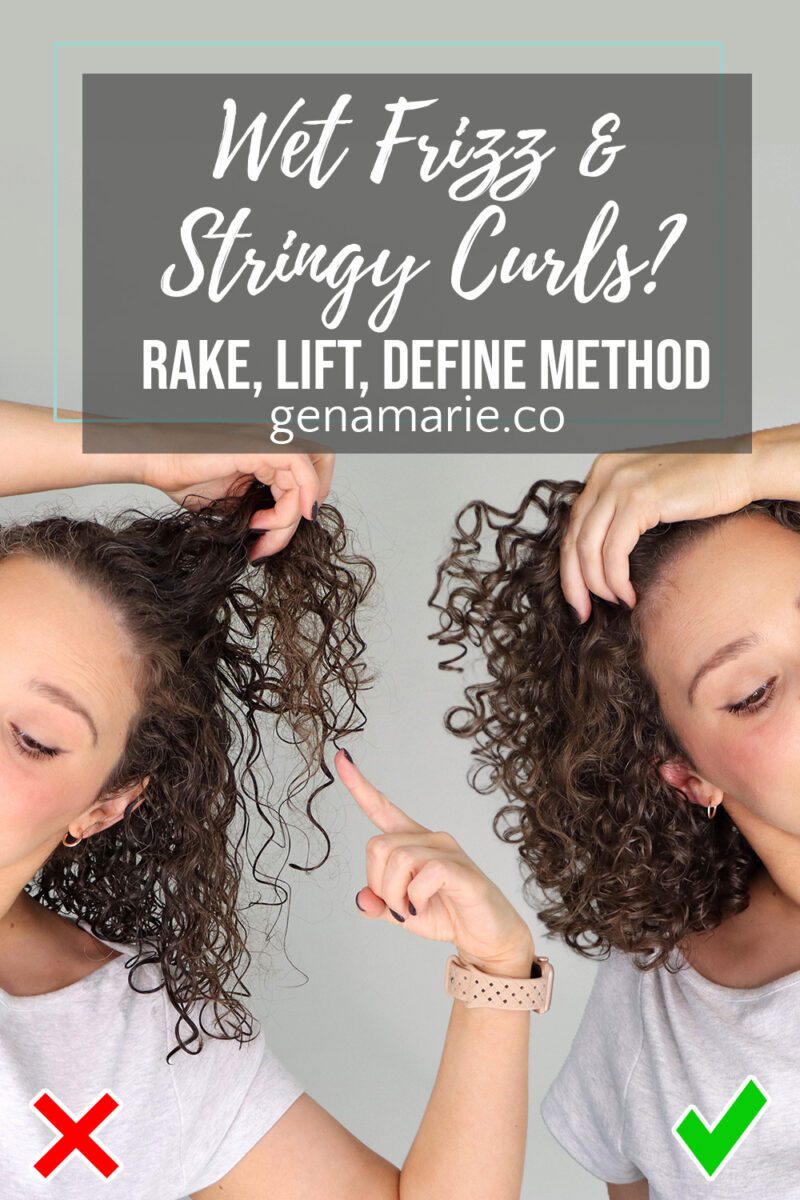
If your curls look frizzy and stringy while they’re wet, they often dry that way too. You’re probably overlooking a few application steps that rarely
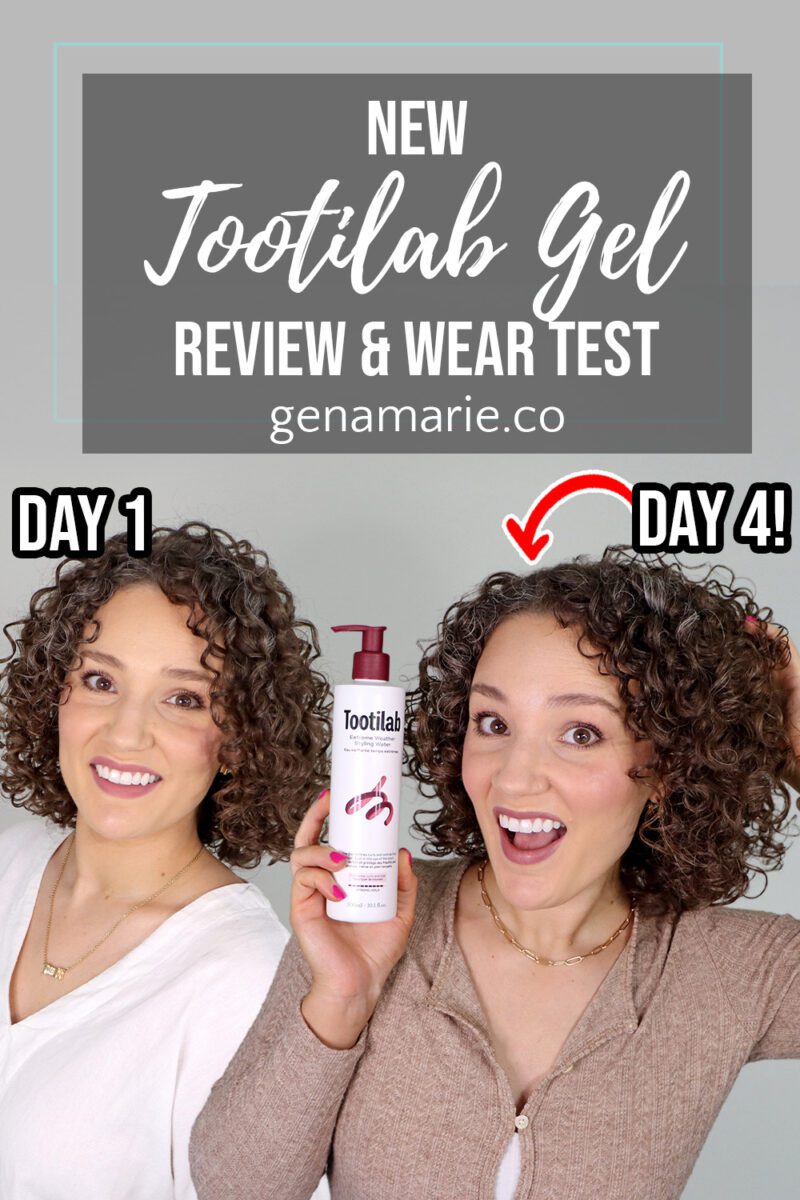
Have I finally found a gel that checks all my boxes, including lasting days without a refresh? I put the new Tootilab Extreme Weather Styling
Notifications