

Are You Using the Wrong Amount of Water? A Damp vs. Soaking Wet Curl Experiment
Are your curls stringy and frizzy, or heavy and weighed down? The advice you’ve been following about how much water to style with might be

Are your curls stringy and frizzy, or heavy and weighed down? The advice you’ve been following about how much water to style with might be why.
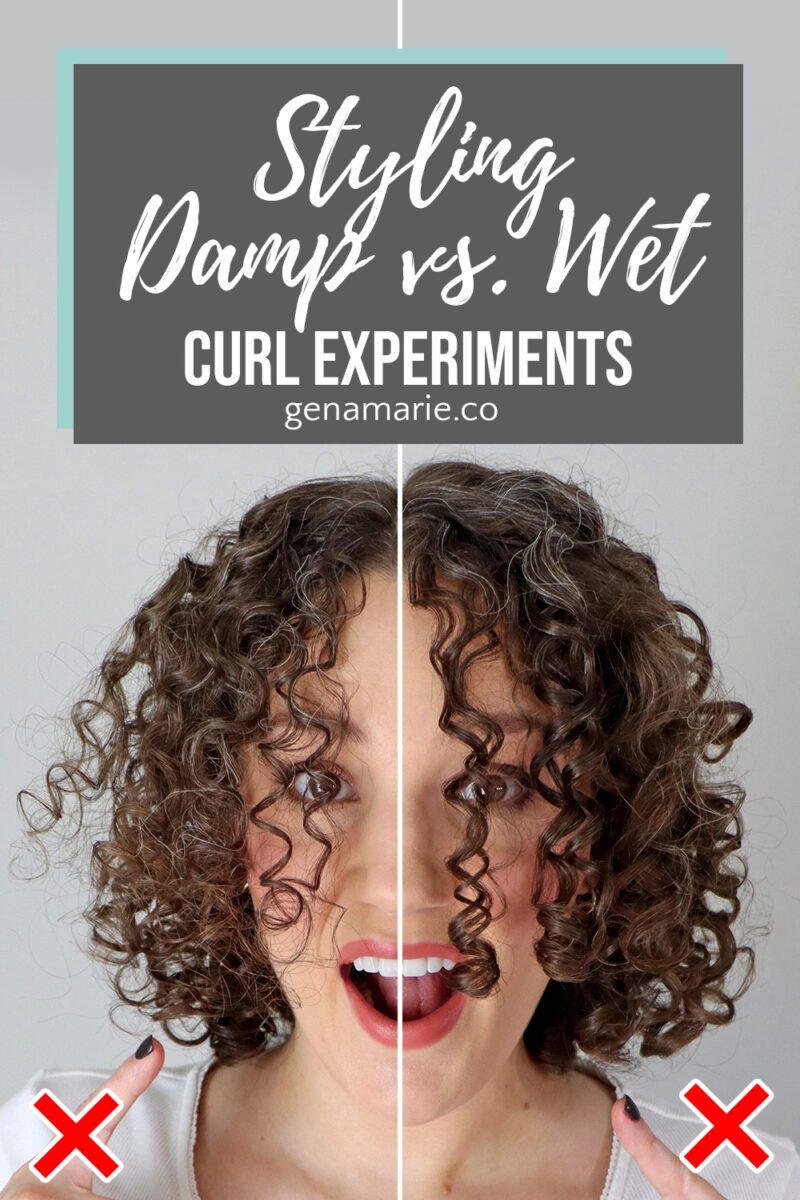
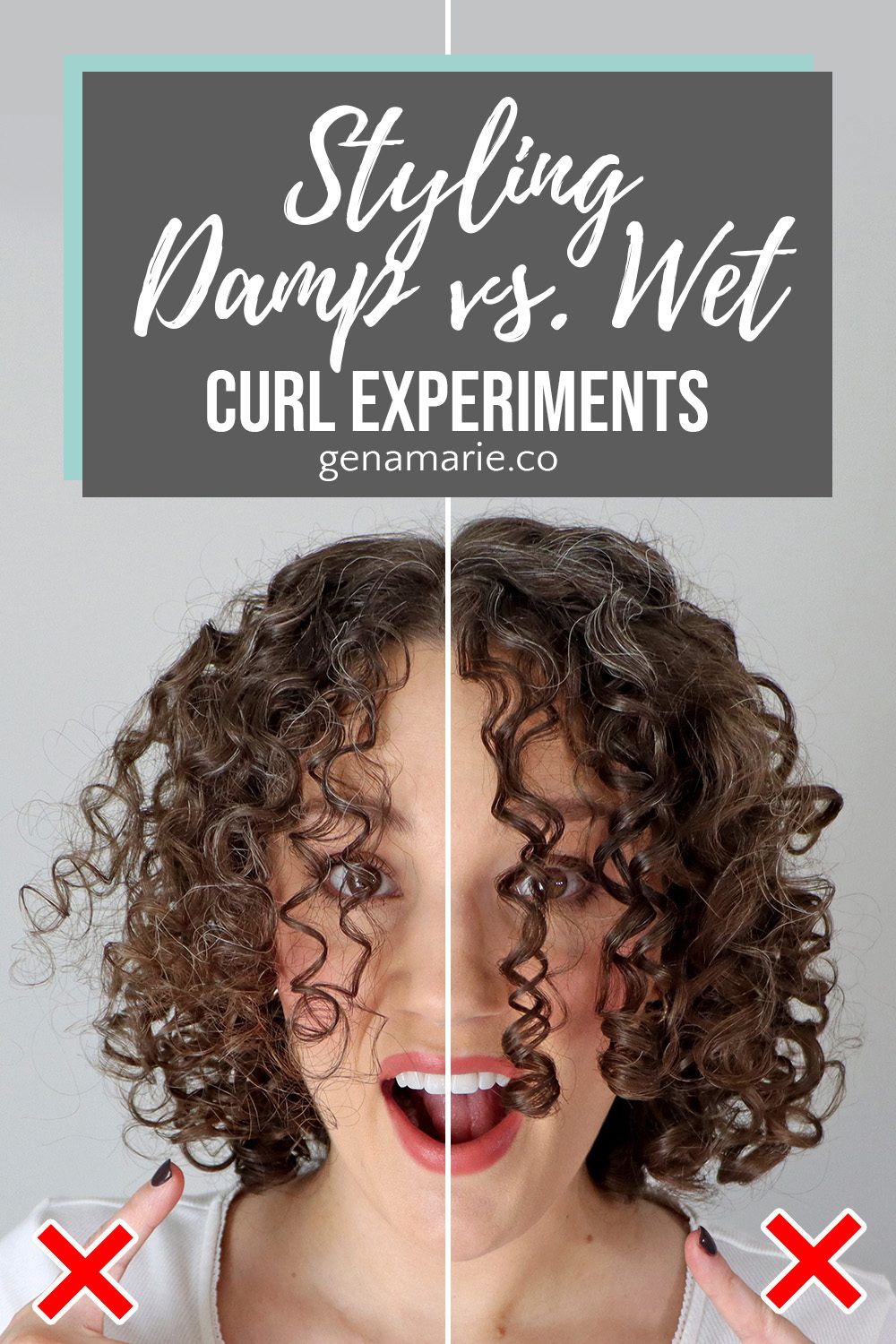
So I split my hair down the middle and styled one side damp and the other side soaking wet. Both sides turned out to be wrong. Here’s what each extreme did, and what the right amount of water looks like at every step.
In my Curl Experiments series, I change one variable at a time. This time, I only changed the water. I used the same gel amount and styling techniques on both sides, and compared both to my usual routine with the same gel.
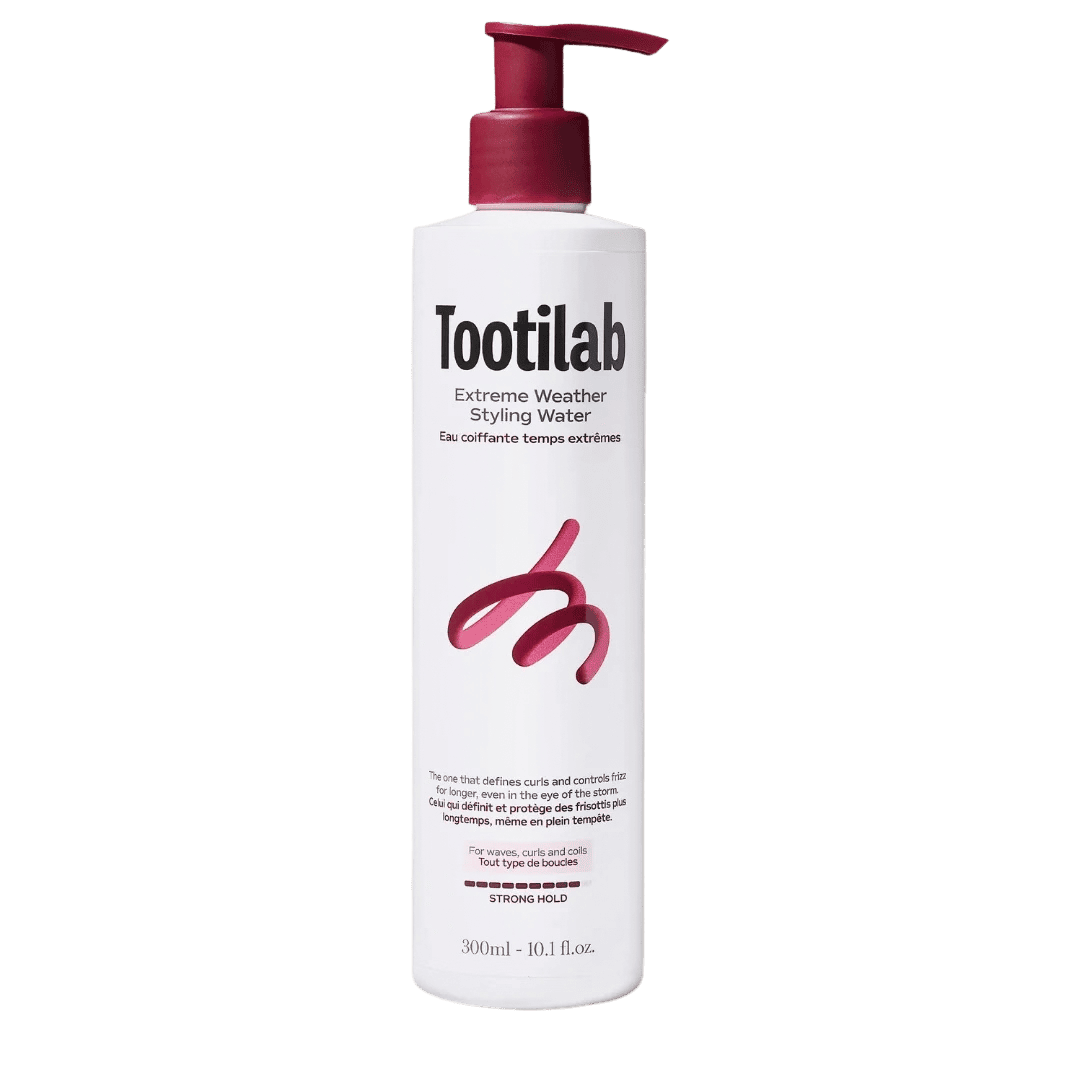
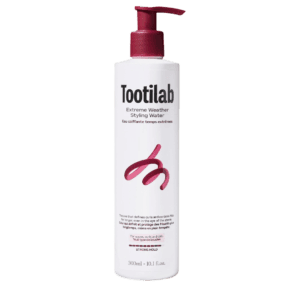
I used Tootilab Extreme Weather Styling Water, since many of you have asked how to dial in the water-to-gel ratio with it.
On the soaking wet side, I saturated my hair until water dripped down my scalp and onto my shirt and the floor. On the damp side, I left my roots more towel-dried and sprayed on just enough to dampen my hair.
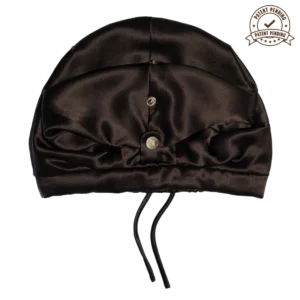
In my usual routine, I wrap my clean hair in my Hair RePear Undyed Hair Towel so my scalp isn’t soaked. Then I style outside the shower, where I have more control over my water level.
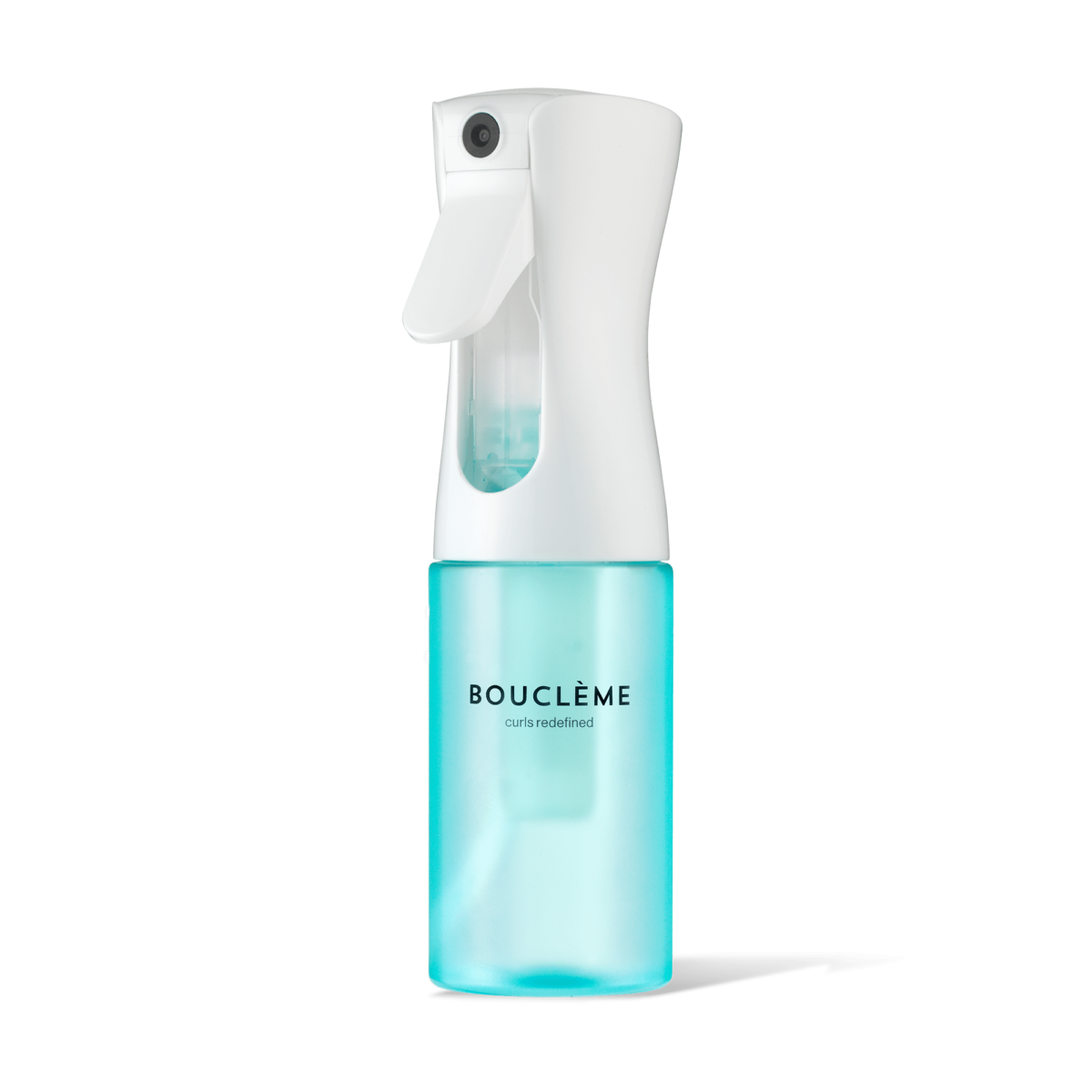
I mist water back onto my lengths with a Bouclème Flairosol Mist Spray Bottle until my hair is evenly wet and dark all over. That even saturation is key.
Your hair will dry as you style, so keep your spray bottle handy. What matters most is that the section you’re applying gel to is evenly wet.
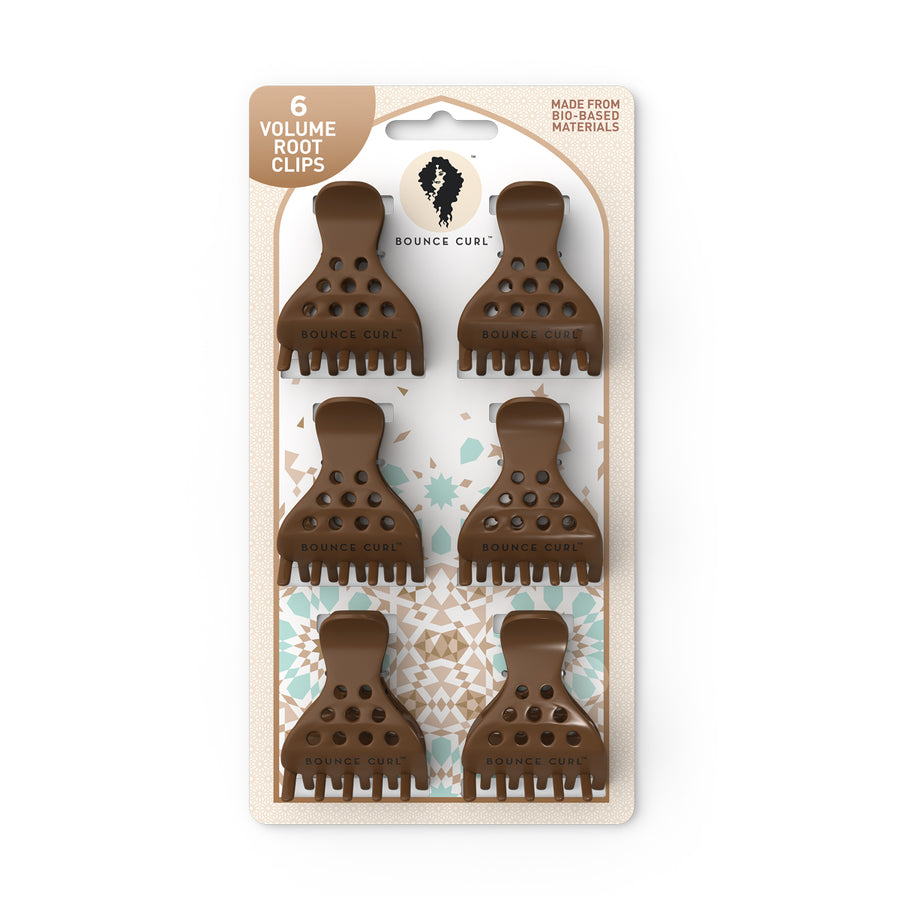
I sectioned my hair with Bounce Curl Volume Root Clips and applied the same amount of gel to both sides with my Rake, Lift, Define Method. I don’t measure my gel. I go by feel and aim to feel gel on every area of my hair.
On the soaking wet side, the gel glided through and spread thoroughly.
On the damp side, it didn’t spread evenly. When your hair isn’t saturated, gel sticks to the first place you touch, so damp stylers often end up using more product.
With the right amount of water, my hair is somewhere between damp and wet. The gel rakes through easily, and my curls start to form without over-clumping.
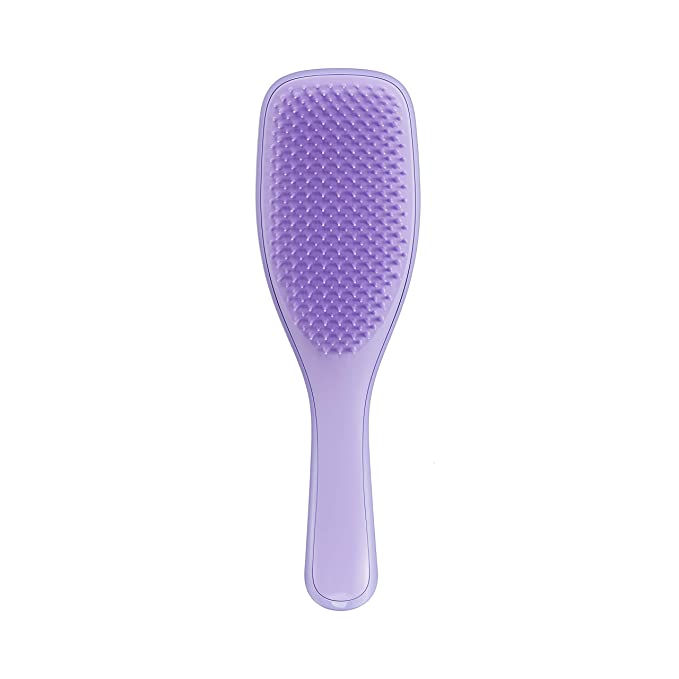
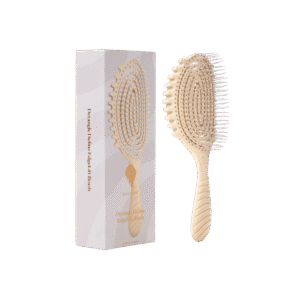
I styled both sides the same way: brush styling with my Tangle Teezer Naturally Curly Detangling Brush, breaking up clumps with my hands, then scrunching.
Your curl pattern should return after your final scrunch. If it doesn’t, you probably don’t have enough water.
On both sides, I wanted to add more gel. When your water is off, your gel amount probably is too, because water and gel work together as a ratio.
With the right amount of water, my hair feels like hair with product in it: not super sticky, and not runny or foamy.
Before diffusing, neither side showed my actual curl pattern. Water weight pulled the soaking wet side longer, with heavy clumps and roots stuck to my head. The damp side was frizzy and under-clumped, with more shrinkage, and it was already forming a cast before I’d even diffused.
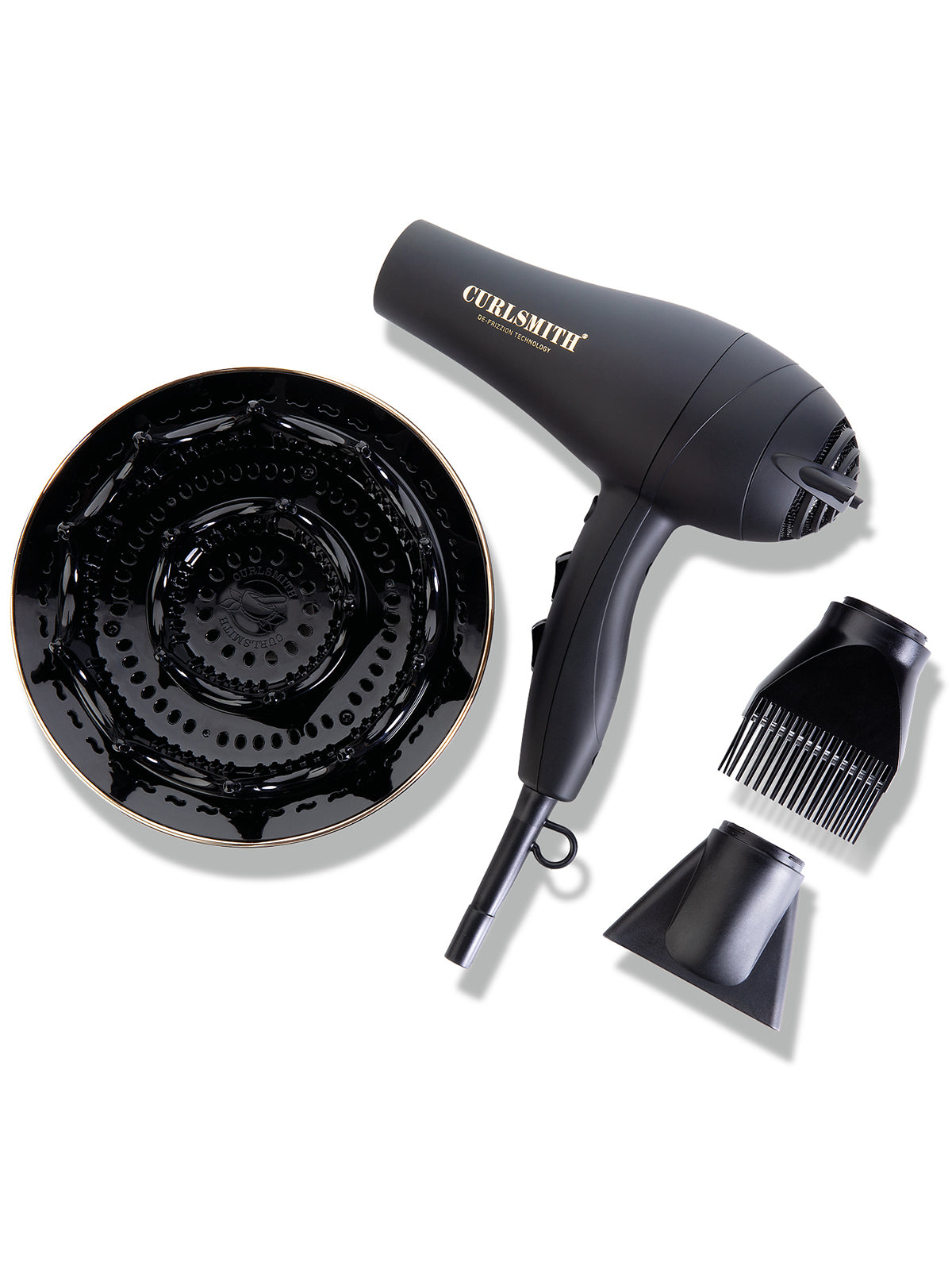
I diffused with my Curlsmith Defrizzion Dryer & XXL Diffuser on the highest heat and lowest fan speed. I go straight to diffusing, because air drying can set your curls in a more elongated position.
I normally microplop first, scrunching out excess water with my towel and adding a light glaze of gel for extra hold. I skipped it here to see the true effect of each extreme. Both steps are in my free Strong Hold Method Cheat Sheet.
The damp side dried in about seven minutes, faster than my usual 10. At 10 minutes, the soaking wet side felt dry on the surface but was still damp inside, so I kept diffusing until it was about 95% dry.
If your hair never seems to dry until the next day, soaking wet styling is probably why. That’s especially true with gels high in humectants, like this one.
After my hair was dry, there was almost no cast on either side. That was one of my biggest realizations, because two opposite problems caused it:
Both meant less hold and more frizz, especially around my temples. The soaking wet side also lost definition in my front section. Over-clumping can pull out your natural curl pattern, which keeps you from seeing your true curl potential.
Your gel changes how much water you need. A watery gel like this one is more forgiving and needs less water, though you still need enough for even coverage. Thick, textured gels like the Curlsmith Fragrance-Free Strong Hold Gel or Not Your Mother’s Curl Talk Flash Freeze need more. That’s why reading the signs works better than an exact amount for your hair type.
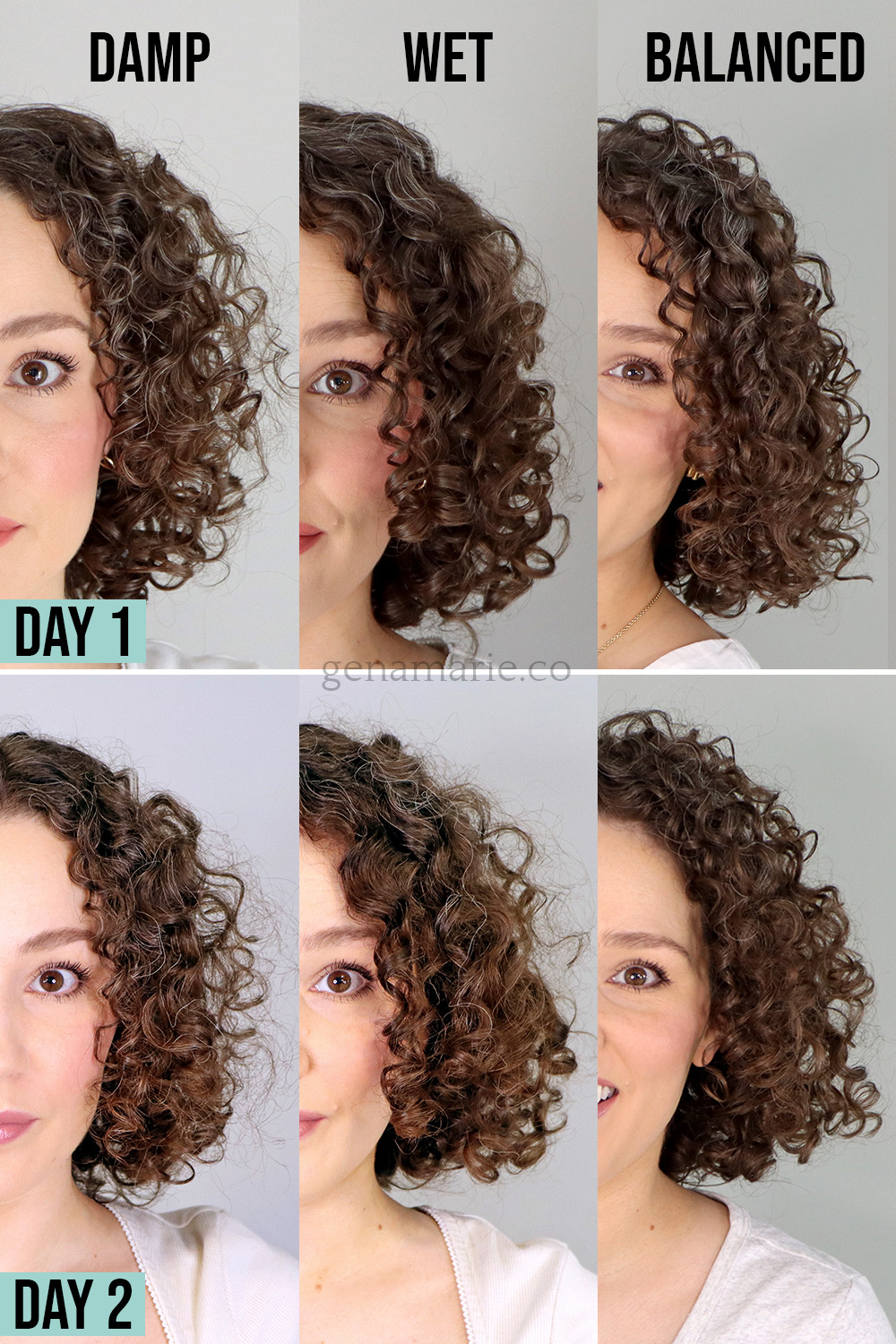
Without a refresh, the differences were even clearer. The damp side was frizzier and stringier. The soaking wet side was weighed down, with thick clumps that had frizz webbed inside and stuck together.
Both sides were frizzy and didn’t last, because the water-to-gel ratio was off. Next to my balanced Day 2 with this gel, it was night and day. Poor hold on wash day snowballs, which is why I fix wash day first with my clients.
Neither side won. The damp side gave me stringy curls, frizz, and an uneven cast. The soaking wet side diluted my gel, leaving me with no cast, heavy, elongated curls, and a long dry time. The right amount is somewhere in between.
You’ve already seen what the right amount of water looks like at each checkpoint. Finding your balance comes down to paying attention to those signs as you style, and adjusting when your hair tells you something is off.
Your balance also depends on the results you want. In this test, more water gave me thicker, chunkier clumps with less volume. Less water gave me skinnier clumps with more volume and fullness, which can help low density hair look less see-through.
So you might be tempted to use water to get the look you’re after. I wouldn’t, because both extremes come with the trade-offs you saw here: less hold, more frizz, and for soaking wet hair, a long dry time. Instead, use your styling techniques to enhance your clumps, or to separate them for more volume.
To see the balanced version of this routine with the same gel, check out my Tootilab Extreme Weather Styling Water review. My Strong Hold Method Cheat Sheet also walks you through each step for getting the most hold.
Reading these signs takes practice, and sometimes you’re closer than you think. I recently helped one client who had ends dripping while her roots were too dry, which gave her puffy roots and frizz on top, so we adjusted her water and gel. Another client with high-density hair thought she was soaking wet, but her hair wasn’t evenly wet, so we worked on more even water coverage.
Learning to recognize these signs in your own hair is exactly what I teach in my Curl Coaching Program. We do several guided styling sessions in the program, because sometimes it takes a second set of eyes to spot the small things you’re doing. If you’d like that support, join the waitlist for my Winter Program, which begins in December.

Are your curls stringy and frizzy, or heavy and weighed down? The advice you’ve been following about how much water to style with might be
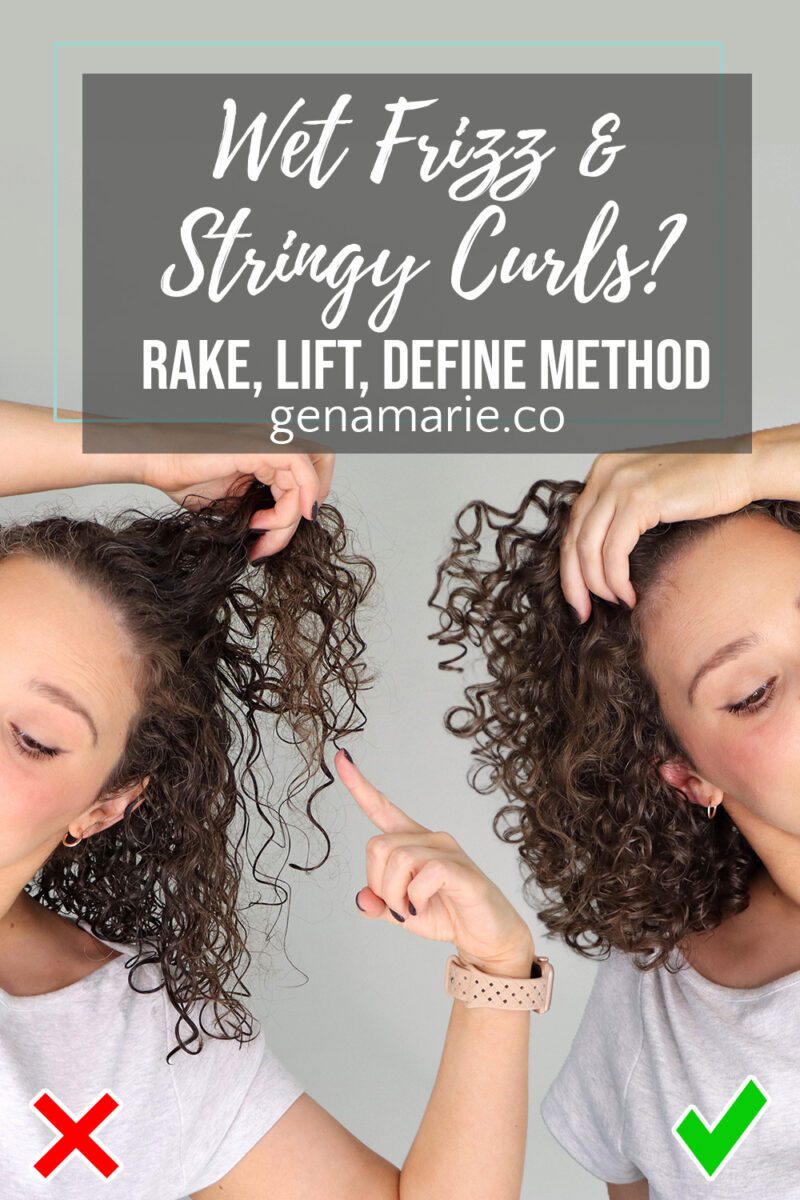
If your curls look frizzy and stringy while they’re wet, they often dry that way too. You’re probably overlooking a few application steps that rarely

Have I finally found a gel that checks all my boxes, including lasting days without a refresh? I put the new Tootilab Extreme Weather Styling


Amazon’s Prime Day Deals are happening today and tomorrow only! I’ve rounded up my top curly hair picks on my Amazon storefront plus shared quick notes below on each product’s key characteristics to
Notifications