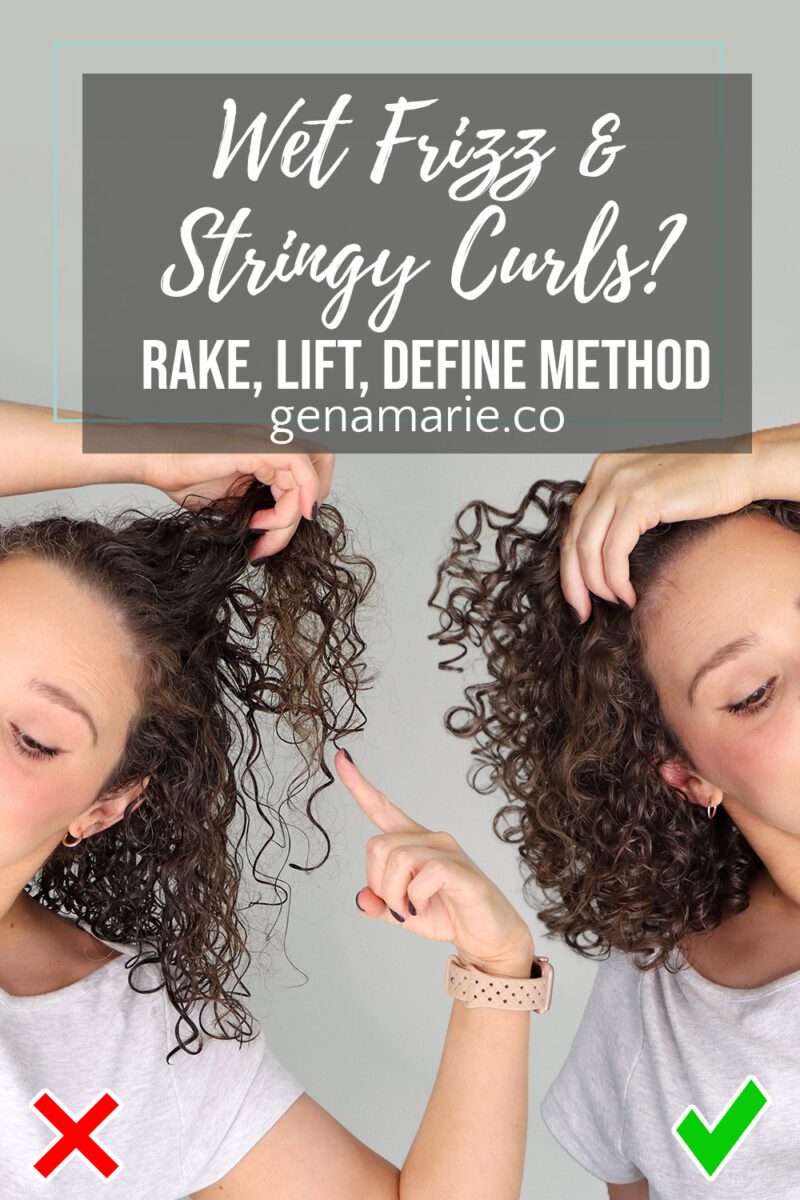

Wet Frizz & Stringy Curls? How to Apply Your Products With the Rake, Lift, Define Method
If your curls look frizzy and stringy while they’re wet, they often dry that way too. You’re probably overlooking a few application steps that rarely

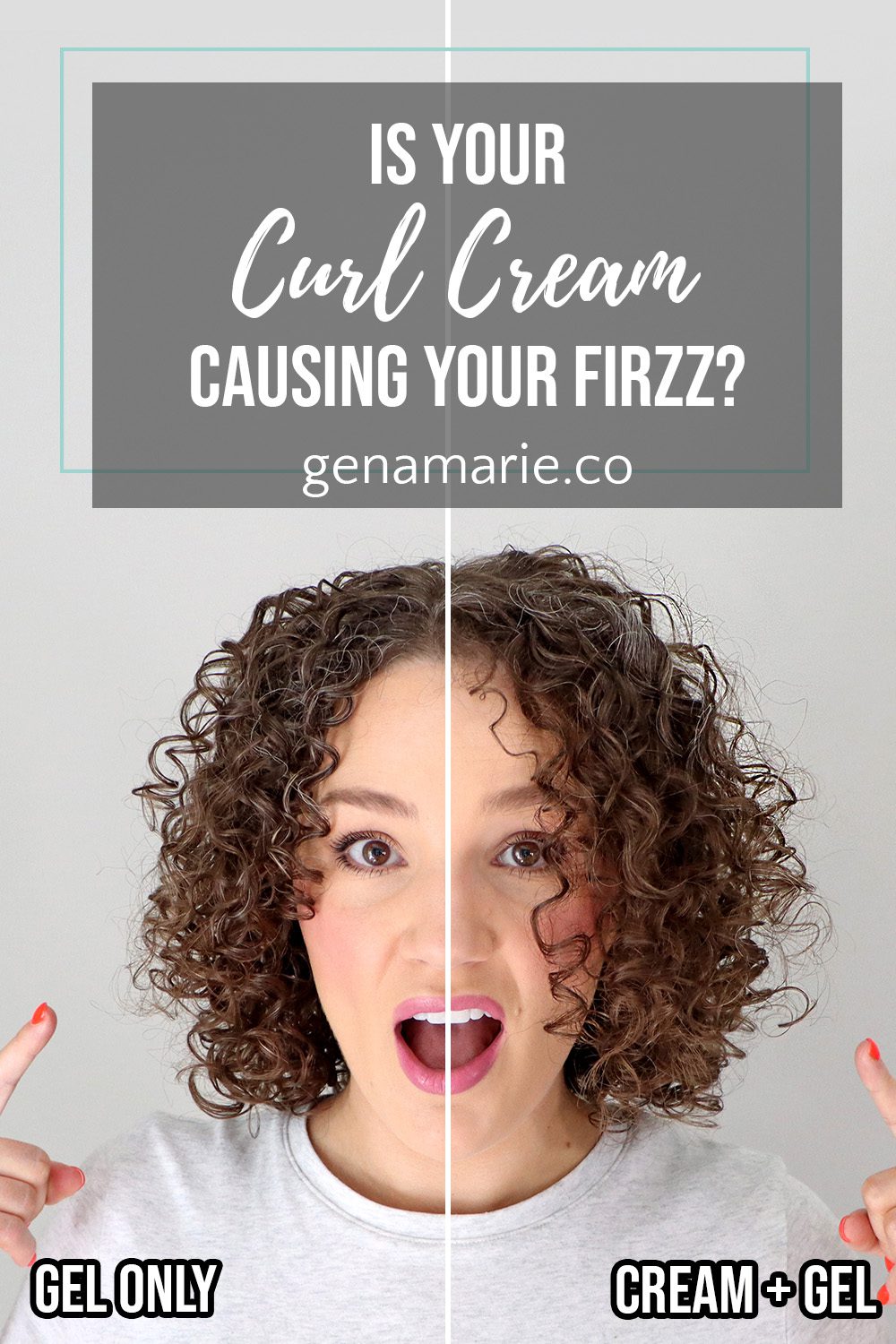
Could your curl cream be the reason you have frizz and can’t get your curls to last? I put it to the test with a side-by-side split test on my own hair. One side got a curl cream and a gel. The other side got the gel alone.
This is part of Curl Experiments, where I test one variable at a time so you get the clarity you need to actually control your results.
One of the biggest culprits I see when someone is dealing with frizz and lack of hold is layering products, specifically a curl cream underneath a gel.
The symptoms usually look like this:
❌ You don’t get a cast, or the cast never fully forms
❌ You’re not getting frizz control on wash day
❌ You don’t get day two results at all
❌ You have to completely restyle the next day, or refresh constantly
❌ Things look worse as the days go on
When that happens, most people go looking for a stronger gel. Before you toss your gel and switch to something else, you have to look at what you’re putting underneath it.
I talked in a recent post Popular Curl Advice That’s Actually Causing Your Frizz about trying your gel on its own to see the baseline of hold that product can actually give you. This test is what that looks like in practice.
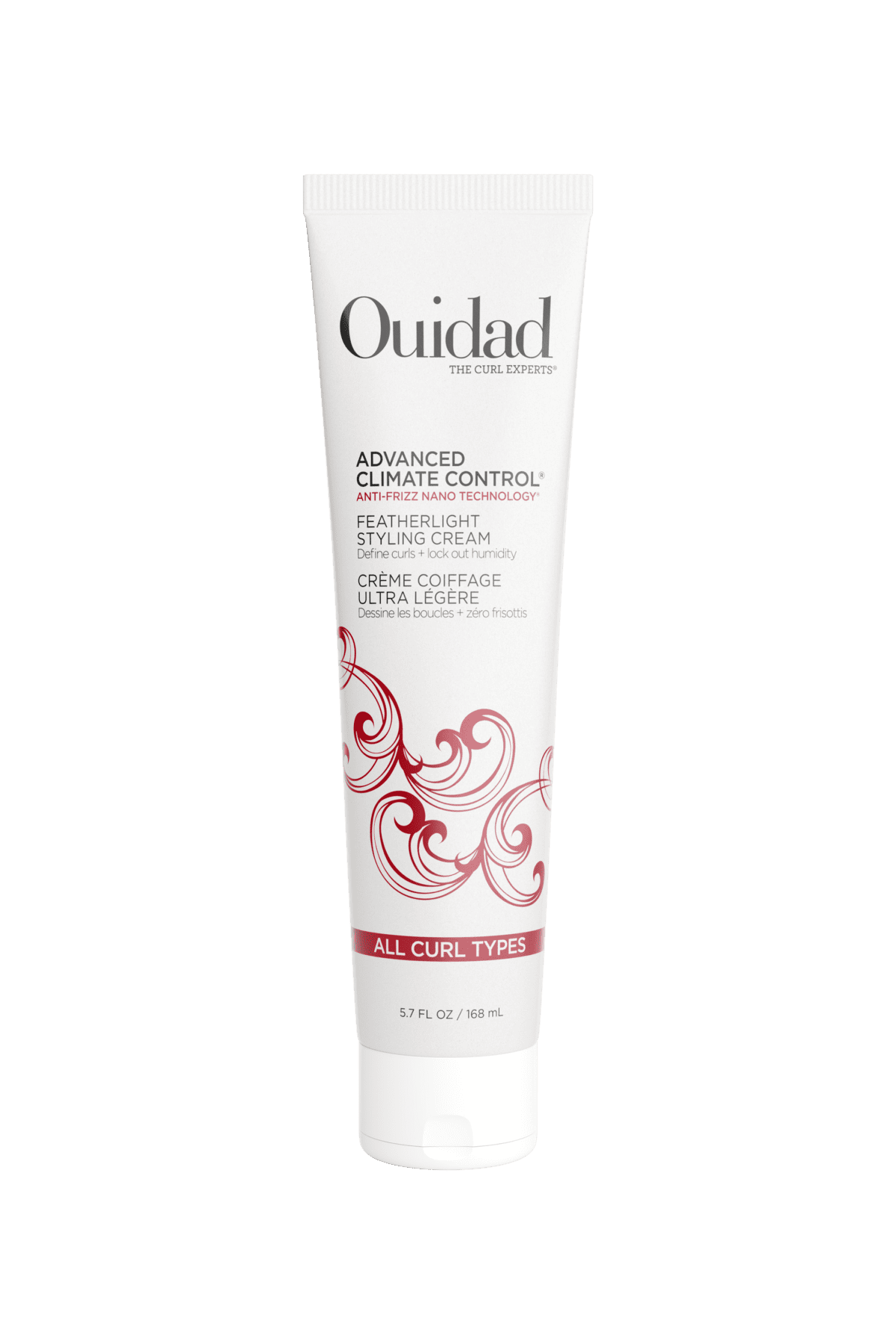
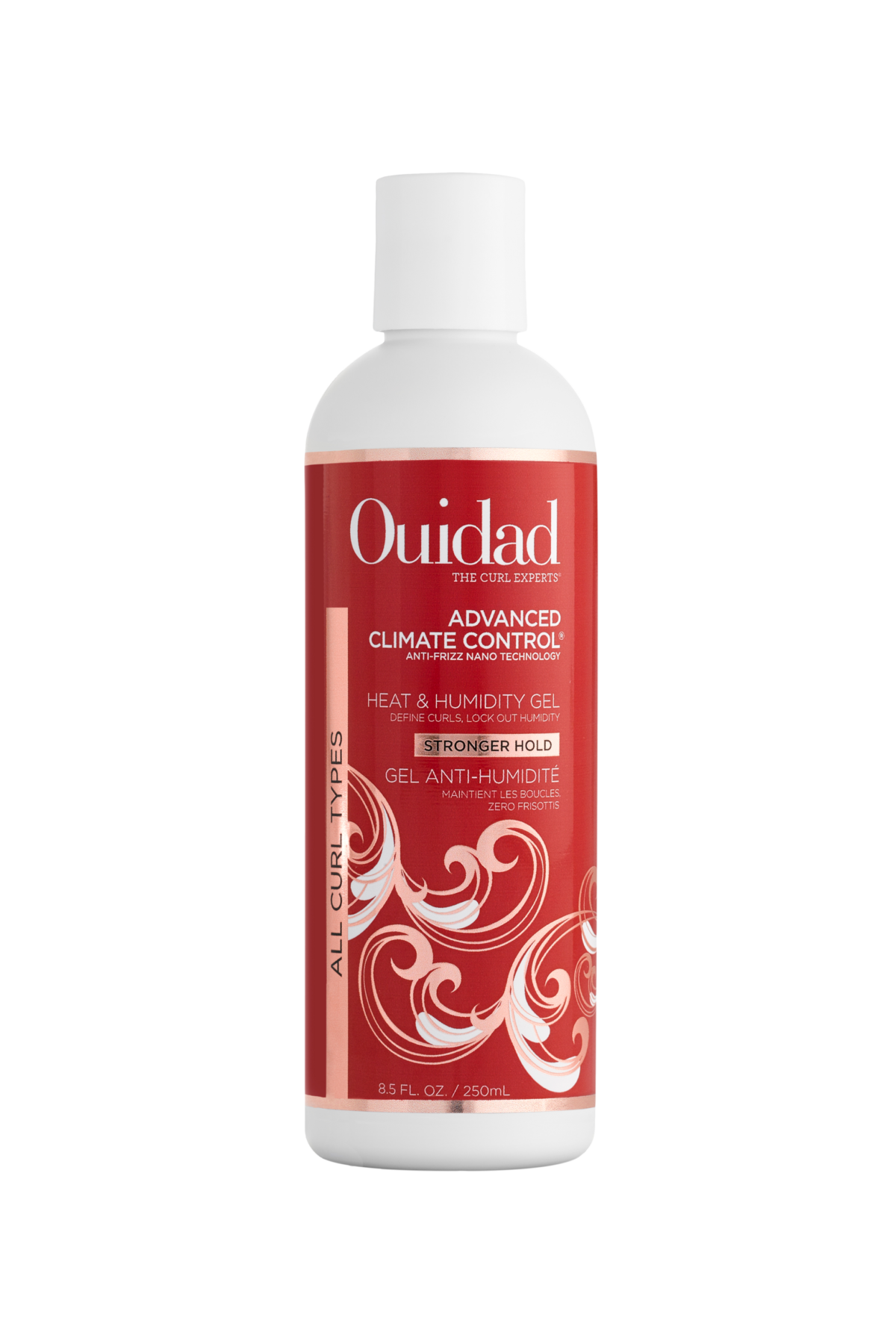
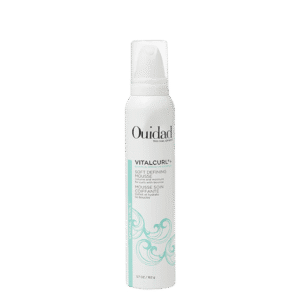
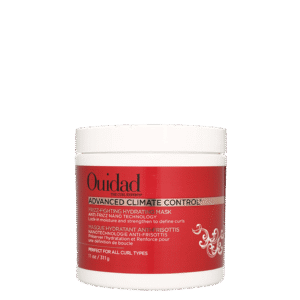
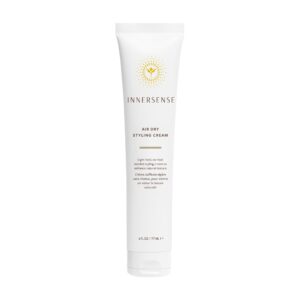
The two products I used are from the same line, which is exactly why people pair them. A lot of people who use the Ouidad gel ask me which curl cream goes under it. I usually tell them they don’t need one, because it’s already such a conditioning gel. There are overlapping properties in both products, so you might as well just use the gel.
That’s the claim. Here’s the test.
For a split test to tell you anything, only one thing can change.
I split my hair down the middle. The curl cream was the only difference.
Don’t let the name fool you. This is a highly conditioning cream, not a lightweight one.
This is a gel I recommend and use often.
Everything below was done identically on both sides. The curl cream was the only variable.
What I noticed while styling
The cream side clumped immediately and heavily, so I had to separate some of the oversized clumps. It also had noticeably more slip and felt like more product on the hair, and I could hear that squishy sound when I scrunched it, which is what happens when a product holds a lot of water in the hair.
The gel-only side felt the way it always does. Soft, slippery, easy to style, and it clumped well without a cream underneath. It was drying slightly faster.
Aside from the extra slip, I wasn’t feeling a huge difference between the two sides while I styled. That’s worth saying, because the differences showed up after it dried.
Two things worth knowing if you’re copying this routine
The extra gel layer is not optional with a gel like this. When a gel feels soft and slippery, you won’t get much of a cast without that second layer.
Watch your bounce back. After you scrunch and do praying hands, your hair should return to its natural curl pattern. That doesn’t mean it has to spiral, because not everyone has a spiral. If it stretches out and stays stretched, that can be the weight of your products. Both sides bounced back about the same here, maybe a touch less on the cream side.
Here’s how the two sides compared once everything was dry.
| Gel only side | Curl cream + gel side | |
|---|---|---|
| Slip | Soft and slippery, easy to style | Noticeably more slip, more product on the hair |
| Dry time | Slightly faster | Took much longer to dry |
| Cast level after drying | Firm flexible cast throughout, soft to the touch | Much less cast, good on the front pieces, barely any cast on the rest, especially areas that tend to be soft naturally |
| Cast level after breaking it | Took real effort to release, some cast retained, especially the front | Released easily, essentially none retained |
| Frizz | Less | More, flyaways, frizzy strands throughout, & webbed frizz |
| Elongation vs shrinkage | More shrunken, tighter starting point | More elongated, looser starting point |
| Volume | Normal for my hair’s density | Slightly more, some of it from frizz |
| Clumping | Clumped well on its own | Clumped more during styling, separated intentionally, so final clump size matched |
| Moisture level | Adequately conditioned | Highly conditioned |
| Feeling on the hair | Soft, still holding its shape | Almost too soft, pieces starting to fall |
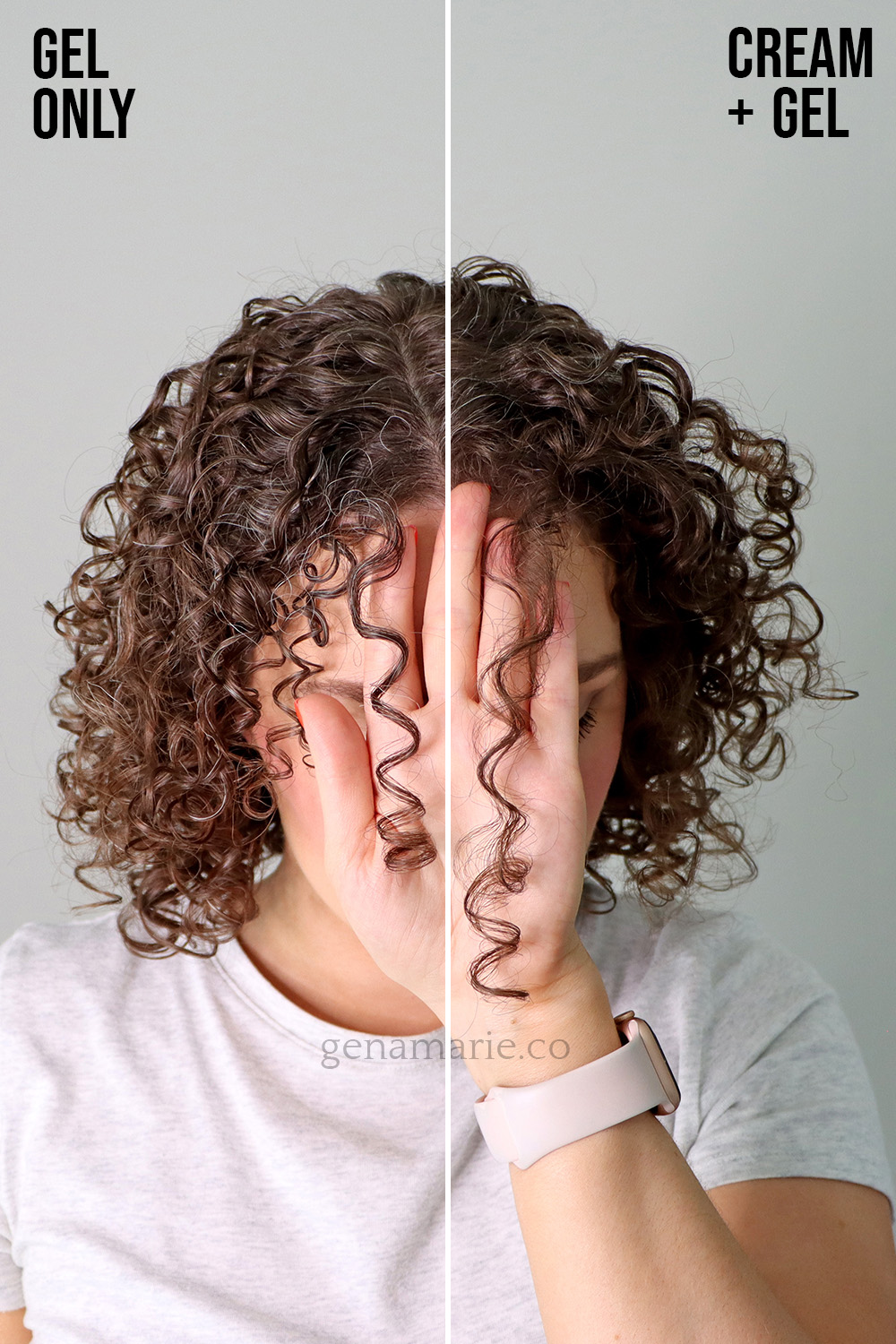
The strand test is my signature test for longevity. I take one curl clump, run my fingers down it, and see how well the definition holds up to friction.
Gel only side
Curl cream + gel side
The cream side doesn’t look bad. It still looks nice, and some people genuinely prefer a very soft look. But longevity is what I’m testing and what I optimize for, because I don’t want to redo my hair every day. I’m fine with wash day looking a little more defined if the next day looks great.
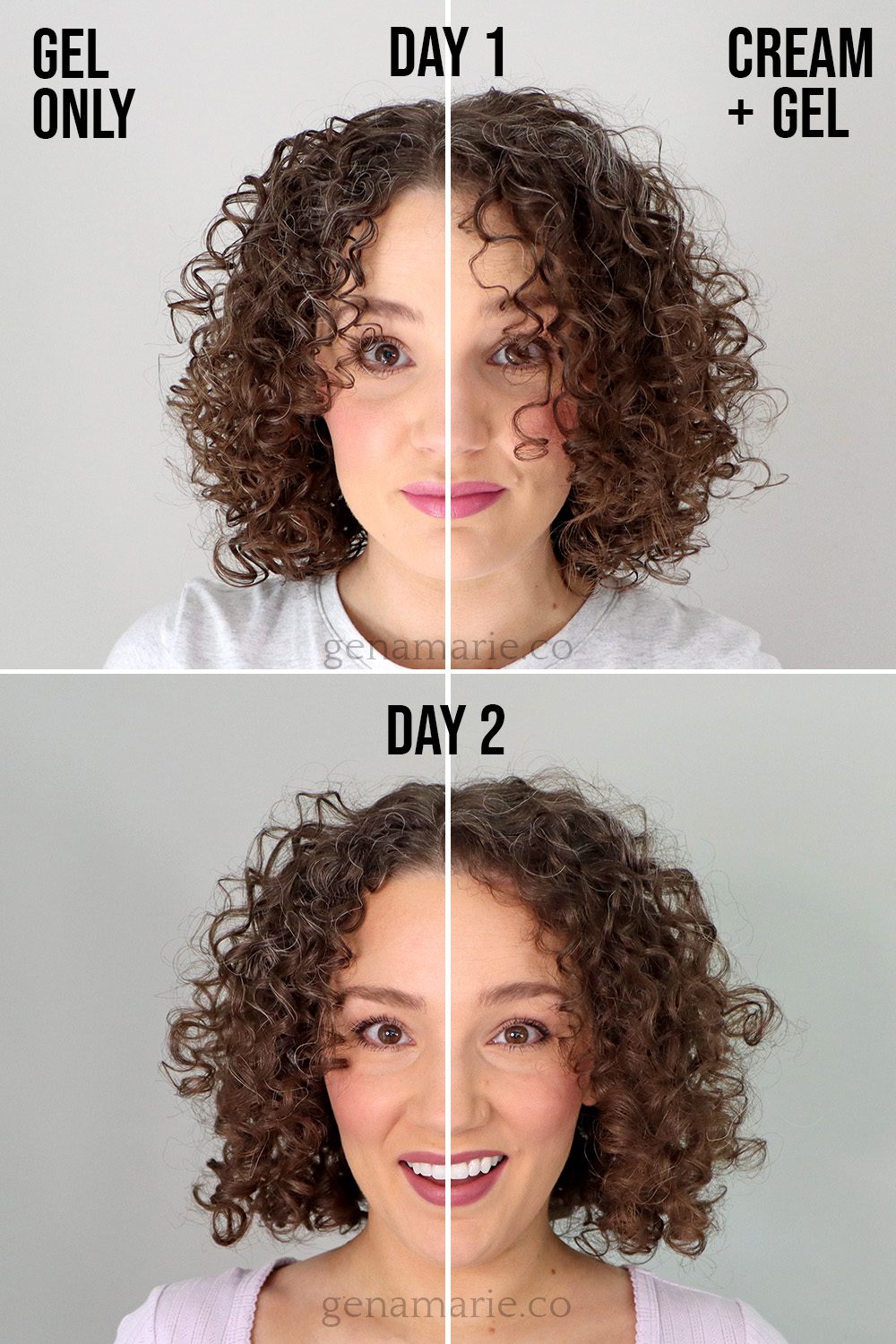
The differences are subtler than on wash day, but they point the same direction. Both sides softened overnight, which is why they look more similar. The cream side kept getting frizzier: more fuzziness, puffier curls, more halo frizz. The gel-only side held more definition, and softening actually improved it, because it’s now fully soft while still holding its shape.
Refresh needed. The gel-only side doesn’t need one at all. The cream side needs frizz tucked in with a dry refresh, tucking and coiling frizz back around the clumps. I had humidity and was outside a fair amount the day before, so this held up well overall.
Who this gets worse for. This is not a bad result for a curl cream, but my hair tolerates conditioning better than a lot of hair does. If you have lower porosity, soft finish hair, expect a bigger drop. My clients with that hair do not make it to day two using curl creams. They get limp curls and much more frizz.
Moisture. The gel-only side is not dry at all. It’s still soft and adequately conditioned for what my hair needs, because the gel has conditioning ingredients in it. Some people would look at the cream side and assume it looks dry, but it isn’t. It’s lacking hold, which can look very similar.
The cream side didn’t hold up as long, and it looked softer and more elongated. That’s the trade.
This comes down to my Moisture-Hold Balance Framework, which asks you to evaluate conditioning at all four steps of your wash day: shampoo, conditioner, prep, and gel. Conditioning and hold work against each other. If your gel already contains conditioning ingredients, you don’t need conditioning at the prep step, and if you’re adding conditioning at prep, your gel needs to have less of it.
Most of the problems I see involve two conditioning products stacked exactly like I did here, where the gel can’t withstand the conditioning layer underneath it.
Most people reach for a curl cream because they think their hair is dry. Dryness and lack of hold look almost identical, and that’s the part nobody separates.
| Dryness | Lack of hold | |
|---|---|---|
| Right after you diffuse | Feels brittle, like it could break. Very tangled, you can’t get your hands through it. | Frizzy, but still soft when you touch it. |
| Into day two | More brittle, more tangled, duller looking. | Frizz progressively gets worse, definition drops, feels even softer. |
Don’t mistake a cast for dryness. If you got enough hold you’re going to feel a cast, and your hair can still feel soft underneath it.
Dull looks the same either way, so you can’t go off looks alone. Go off feel. Brittle means dryness. Soft and frizzy means hold.
I’ve used a very low conditioning gel on its own in the wintertime and still had hold, but I had wispy frizz running through the hold, and by day two it looked duller and felt genuinely brittle. That’s what actual dryness looks like when hold isn’t the problem.
A cream earns its place when:
You probably don’t need one when:
I sometimes intentionally put a curl cream under a gel like Innersense I Create Curl Memory, which gives such an intense cast that it needs to be taken down a notch, and it still lasts a long time. If you don’t like your day one results with a strong gel, softening it on purpose is a legitimate choice. It depends which days are your priority. If day one is what matters to you, soften it. If longevity is what matters, that’s a different decision.
Curly hair doesn’t automatically mean dry hair. Creams aren’t bad. They’re conditioning products, and conditioning only helps if that’s what’s actually missing.
You ultimately have to test it the way I did.
If the gel alone gave you a better result, you probably don’t need that curl cream. If your hair genuinely feels dry and brittle the next day, it may be worth adding back in.
If your hair truly needs a cream, or you just want to use one, you can still get hold. You balance it.
Two that fit: the Curlsmith Fragrance Free Strong Hold Gel and the Not Your Mother’s Curl Talk Flash Freeze Gel. Both have a thicker texture and consistency with less conditioning present, so they can withstand being conditioned by a cream underneath without the hold breaking down as much.
If you’ve done the gel alone test and you’re still not getting hold, something else in your routine needs adjusting. It might be your water to gel ratio, your gel strength, your technique, or how you’re drying. That’s hard to pinpoint on your own, which is where a second opinion helps.
That’s what I do inside my Group Curl Coaching Program. I look at every step of your routine, and I teach you how to do it too, so you can run that process of elimination yourself, pare back your moisture, dial in your hold, and add conditioning back only where you need it. Those troubleshooting skills are the point. You have far more control over your results than you think once you know which levers to pull.
Pre-registration for the fall program is open now through August 31, so you can get in early. Fall is a good time to get your routine in order, because your curls shouldn’t be one more thing taking up space in a busy season.
Next in Curl Experiments, I’m testing water. I’ll be adjusting the gel to water ratio to show you what it does to your hold in real time, because your gel can only work as well as what you’re doing around it.

If your curls look frizzy and stringy while they’re wet, they often dry that way too. You’re probably overlooking a few application steps that rarely
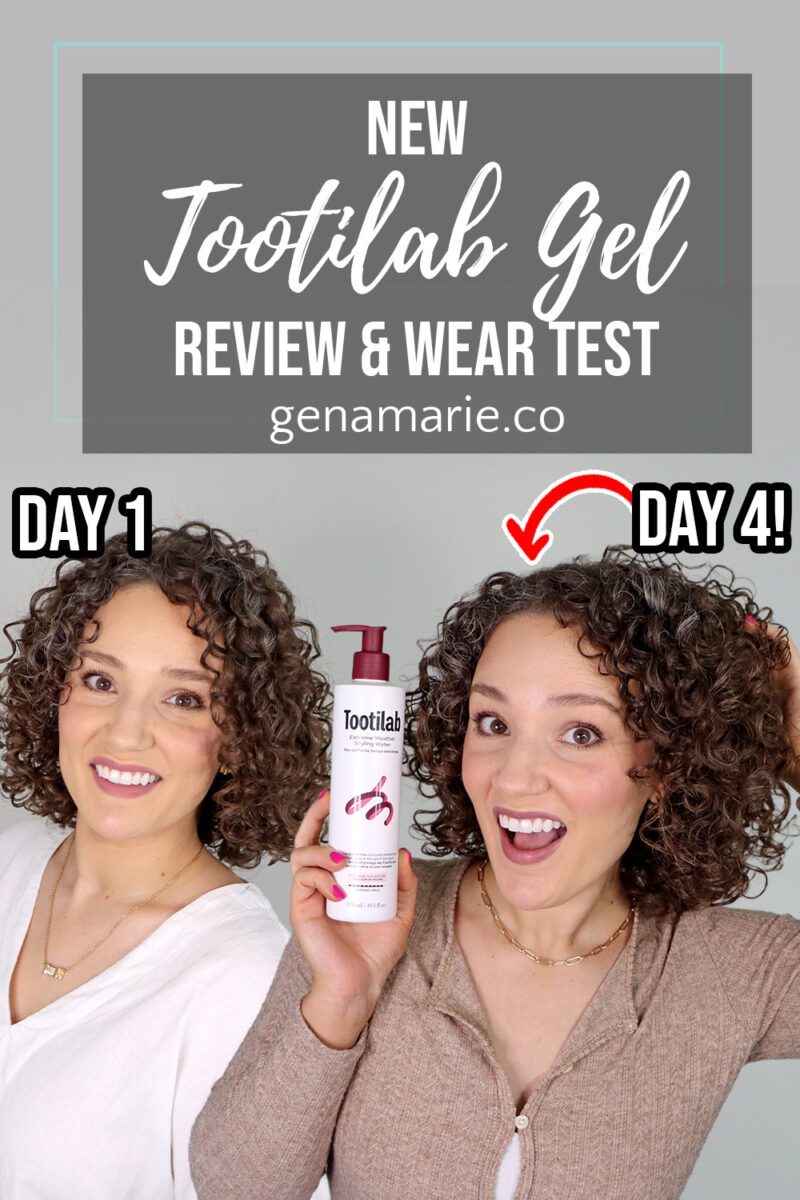
Have I finally found a gel that checks all my boxes, including lasting days without a refresh? I put the new Tootilab Extreme Weather Styling


Amazon’s Prime Day Deals are happening today and tomorrow only! I’ve rounded up my top curly hair picks on my Amazon storefront plus shared quick notes below on each product’s key characteristics to
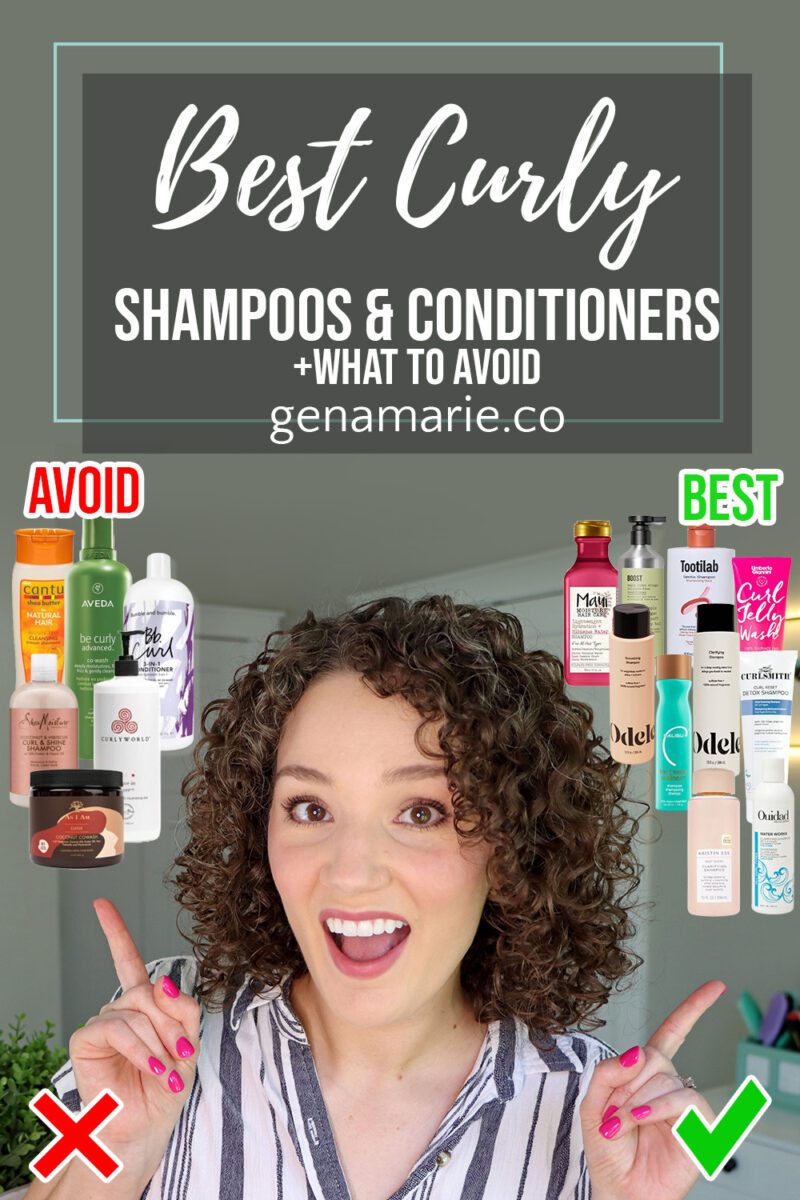
The shampoo and conditioner you use affect your curls more than you think. It doesn’t have to be complicated. You just need to know what
Notifications