
Troubleshooting: How to Tell If a Curl Product Is Wrong for You
Before you toss that curl product and hop to the next one, make sure the product is actually the problem. This is the troubleshooting framework
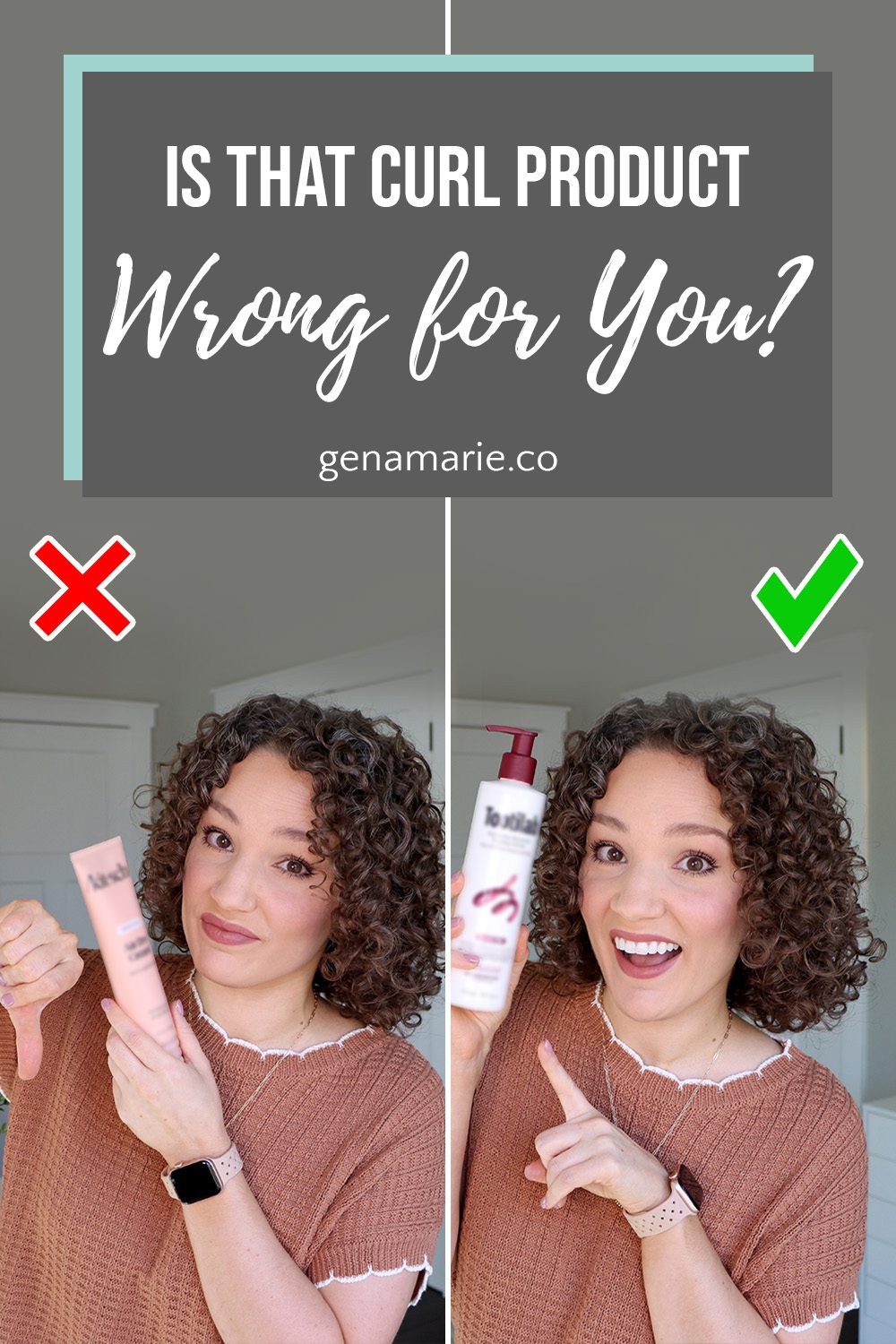
Before you toss that curl product and hop to the next one, make sure the product is actually the problem.
This is the troubleshooting framework I use with my Curl Coaching clients so they stop wasting money on the wrong products. It’s part of my Troubleshooting Series, where I teach you how to solve your own curl problems, so when your hair changes, you know what to do next.
Here is the framework at a glance.
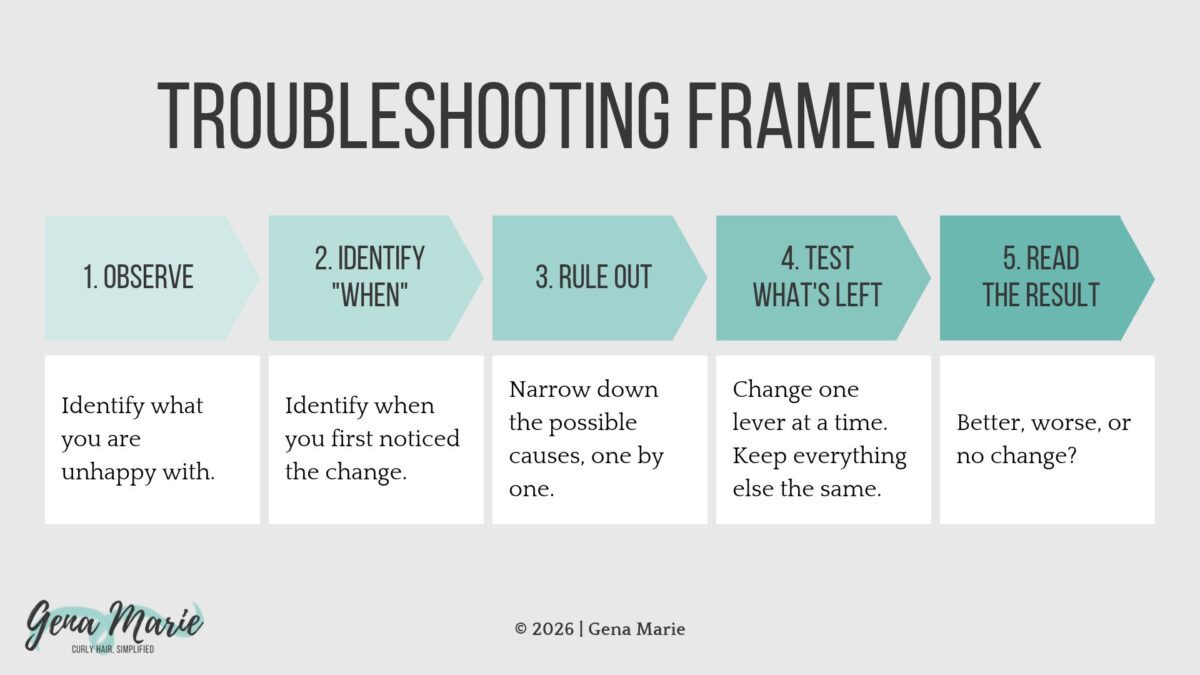
We’ll start with what to judge a product on, then run three of the most common product complaints through the process.
“This product didn’t work for me” isn’t enough detail to troubleshoot. Name the actual problem first.
Are you unhappy with how your hair looks? Check these:
Or are you unhappy with how it feels? It could be:
Every product category has a job, and that job is what you judge it on. Here is each one:
Compare what you’re unhappy with to the product’s job. You’ll land in one of three places.
It’s not the product’s job. Then the product didn’t fail.
The product does its job, but you don’t like how your hair feels. That’s a trade-off.
It is the product’s job, and it’s not doing it. Now you find out whether you need to switch products. Keep going.
Next, pin down when you noticed the problem. Other variables come in throughout your routine, so judge each product at the moment its job shows up.
Ask yourself these questions to rule out other variables before you switch products.
This goes for any styler you use for hold, like a gel or mousse.
A cast is the crunchy feel your hair dries down with after styling. You should get one if you want your curls to hold and last longer.
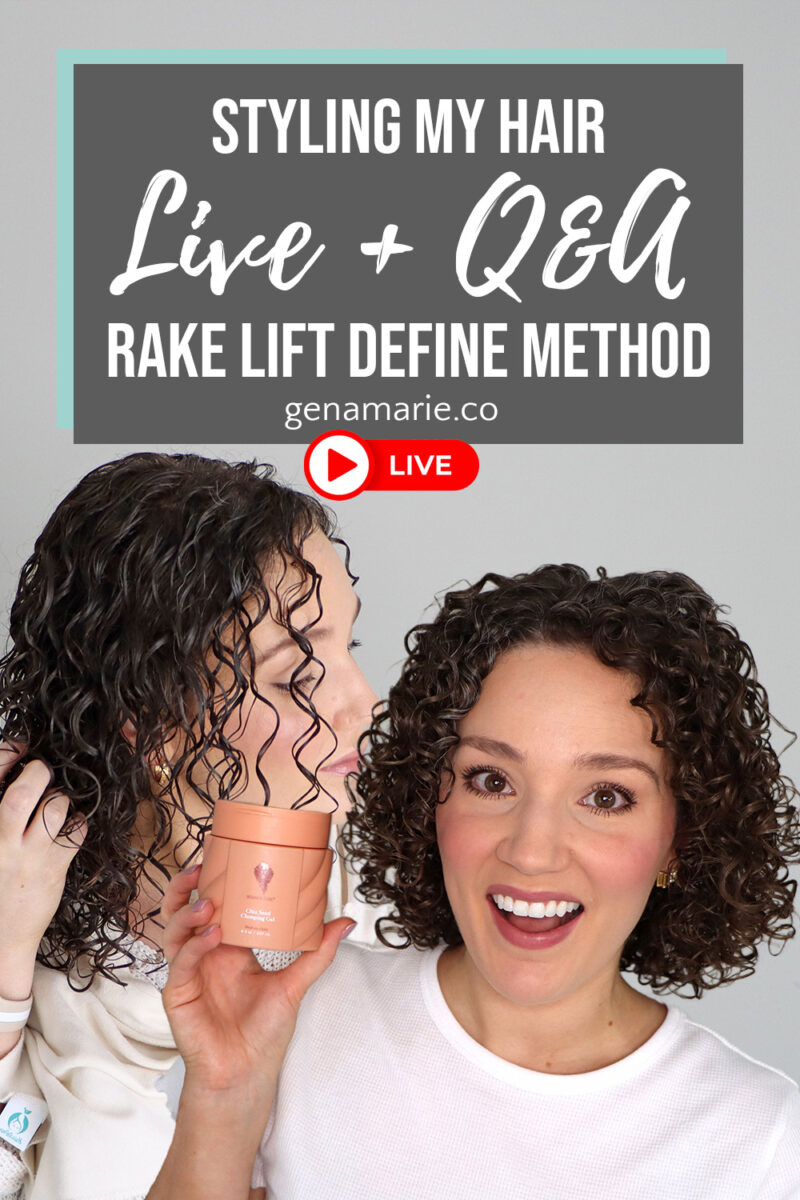
Both are application fixes, not necessarily a product problem. My Rake, Lift, Define Method walks you through application.
Water dilutes your styler, and the more diluted it is, the less hold you get. Balancing the water in your hair with the amount of product is tricky, and it takes experimenting.
Here is how I’d adjust the water for three gels.
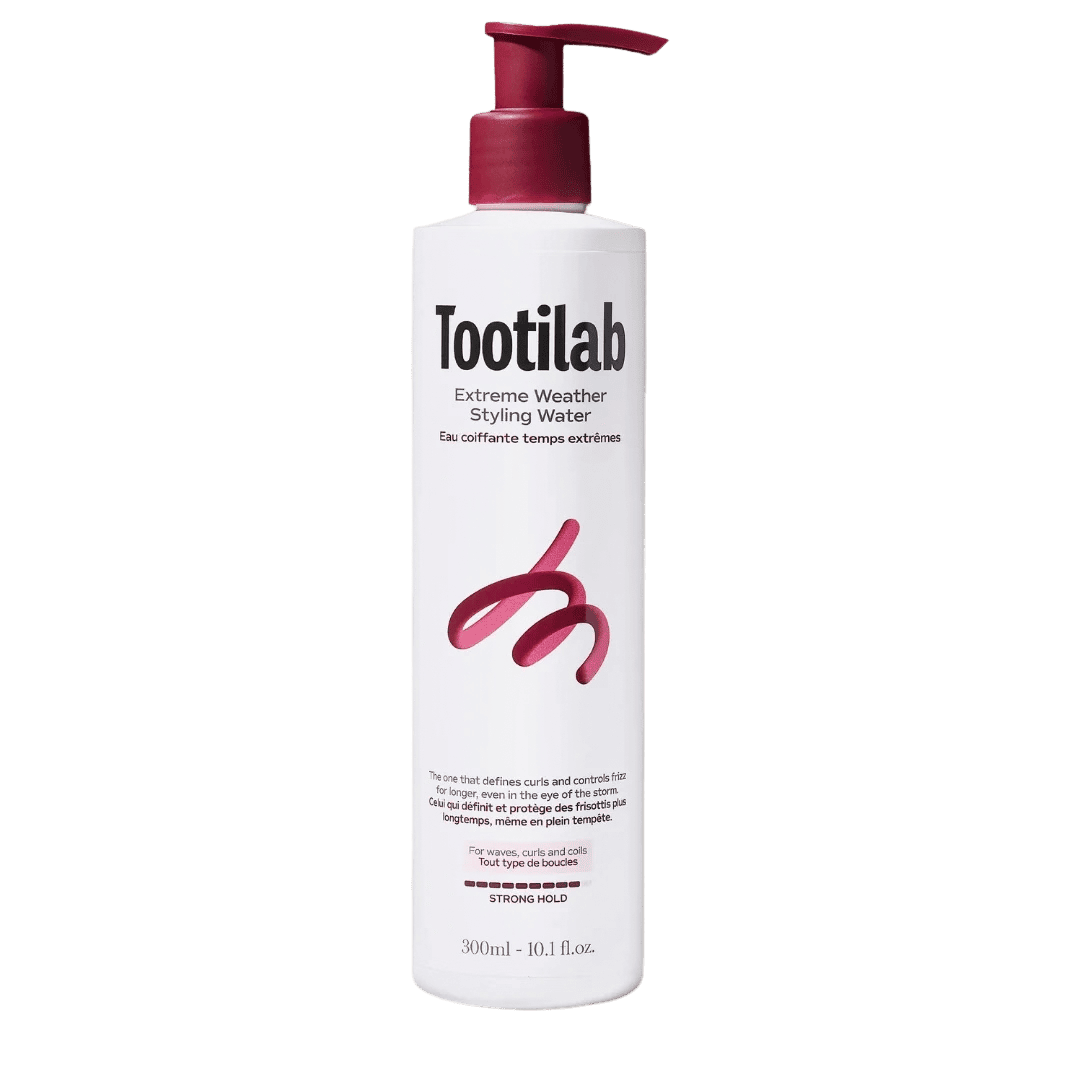
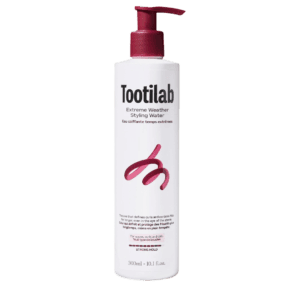
This gel is watery, with a serum-like texture, so you don’t need as much water.
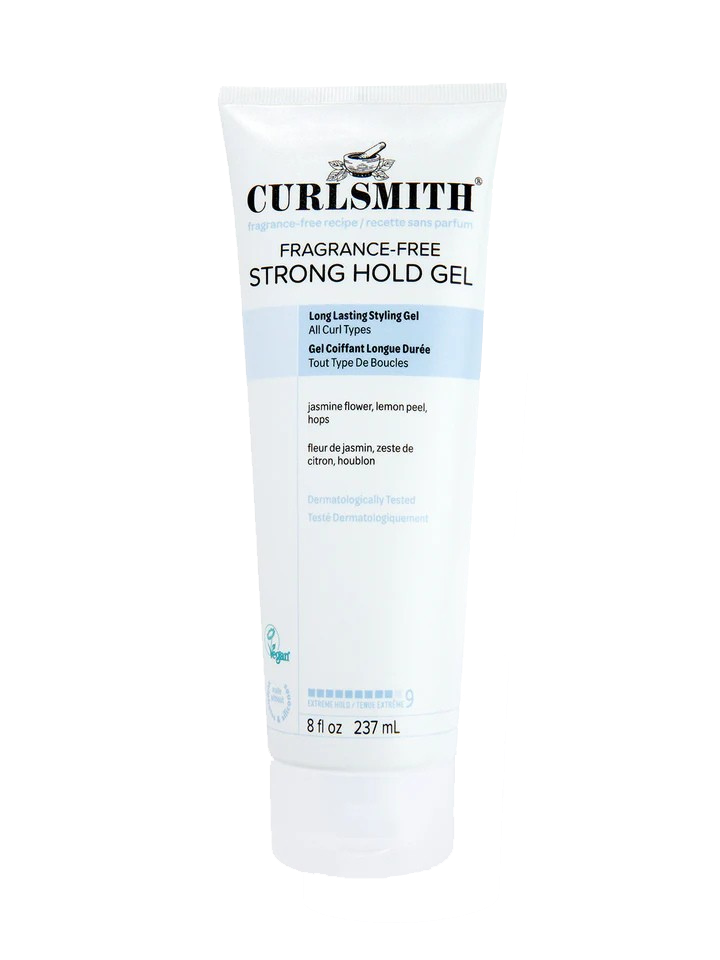
This gel is thick, so use more water to spread it evenly. Emulsify it with water in your palms to thin it out, or it will stick to one area.
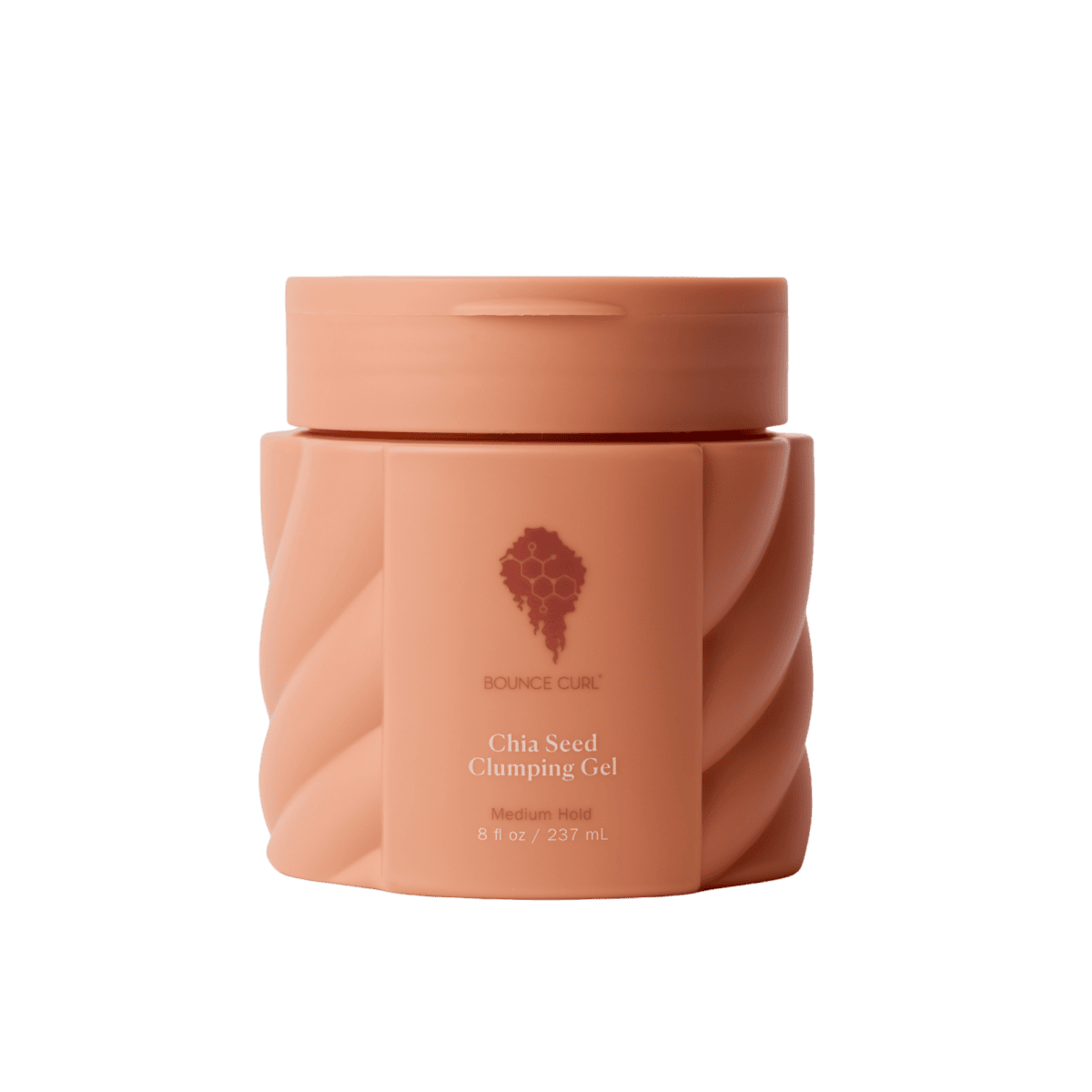
This gel gives a medium but buildable hold. It’s thicker than the Tootilab gel but not as thick as the Curlsmith, so it needs more water to spread.
If you used enough, applied it evenly, and didn’t dilute it too much, look at what you put on underneath.
A very softening prep softens the hold of your gel, because the gel can’t grip your hair as well. That includes a leave-in, a curl cream, or even your heat protectant. Using too much of it does the same thing.
If that’s not it and you still can’t get a cast, that styler may not be right for you.
A cast tells you your application was right. What happens when you break it tells you about the gel.
Your hair looked great once it dried, and your curls held when you broke the cast. Then they didn’t last.
Frizz and curls loosening are both forms of not lasting, but they’re different things. They can show up together or on their own, so notice which one you have. I hear this most with waves and loose curls.
Look at everything between breaking your cast and the end of the day.
If one of these ruined your curls, it isn’t fair to say the gel didn’t give you hold.
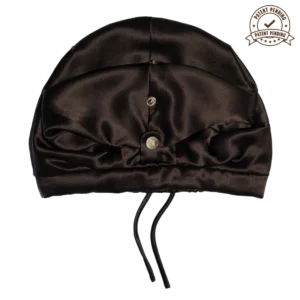
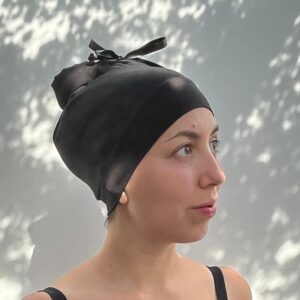
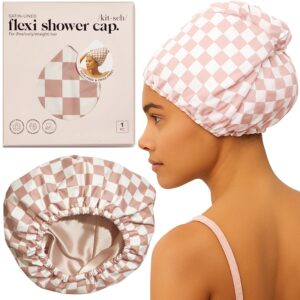
If you woke up with frizz or looser curls, look at your sleep protection first. It’s the main thing that happened overnight.
I go deeper on this in Why Your Curls Don’t Last Past Wash Day.
If your curls loosen through the day and lose their shape, ask whether your gel is too conditioning for your hair. Not enough texture or grit can do the same thing.
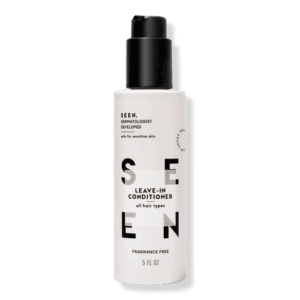
Here is a gel I often hear this about.
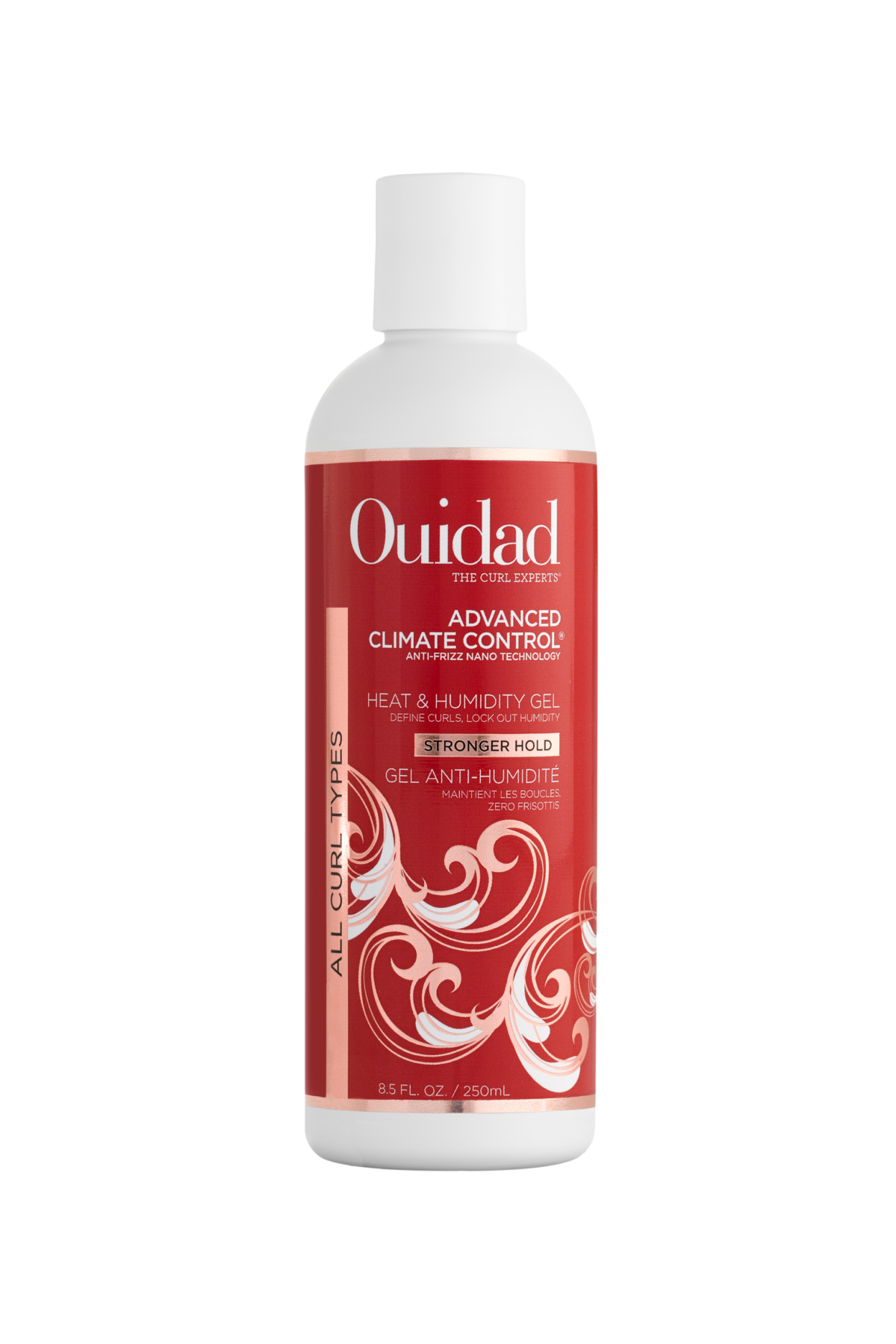
This gel has a lot of conditioning in it. If your hair is already very soft and falls easily, it’s not the gel I’d recommend for you. My curls generally hold their shape through the day, so I get long-lasting hold with it.
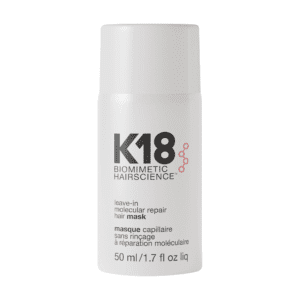
If you like how a gel makes your hair feel and want it to last longer, try these before you buy something new:
If your curls still fall, there’s too much conditioning at this step.
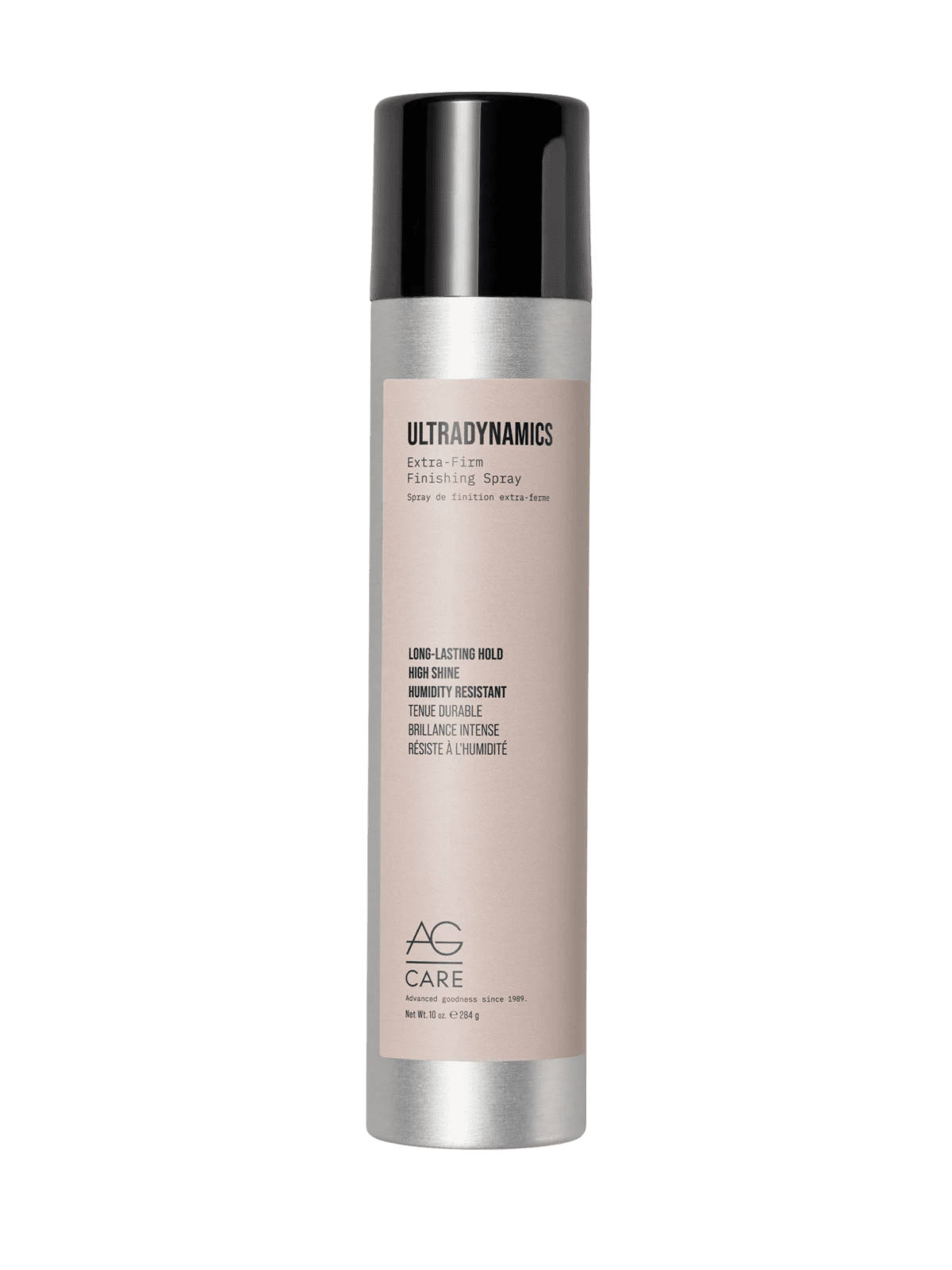
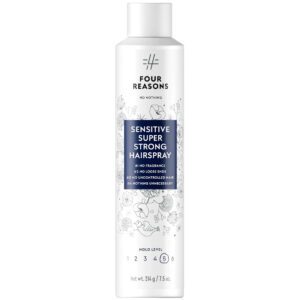
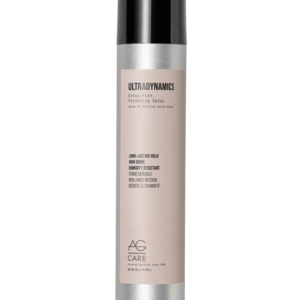
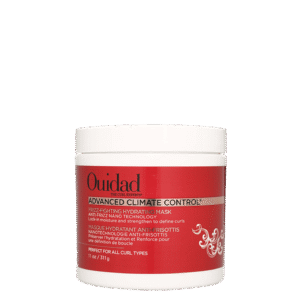
This is the hairspray I use as an example.
It still has a flexible feel, depending on how much you use. It adds a little texture so your hair doesn’t feel too soft.
Sometimes a gel gives you hold, but not enough long-lasting hold for what you need. If you’re refreshing more than you want to, even with the right application, that’s a fair reason to move on.
I compare my day two results between gels. If day two looks the same or better, great. If it looks worse, that gel didn’t have enough hold for me.
If it’s time for a new gel, my How to Pick Gels Cheat Sheet shows you what to look for.
If your application is right, your gel is right for you, and your curls still aren’t lasting, work backward to your wash.
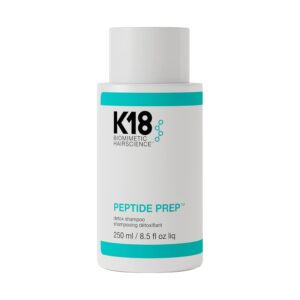
These are signs your shampoo didn’t get your scalp clean:
That means scalp oils and product residue are still there.
Rule out your application first.
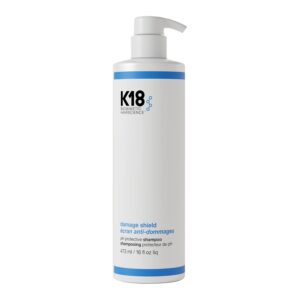
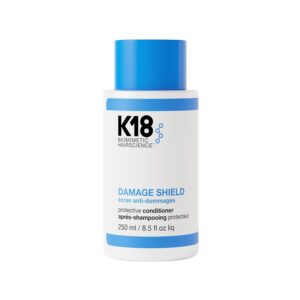
If you shampooed thoroughly and twice and you still feel it, that shampoo isn’t strong enough.
You can also check the label. A lot of butters and oils at the top of the ingredients list means the shampoo leaves them behind on your hair. You probably need something stronger with fewer conditioning ingredients.
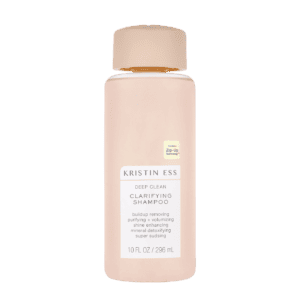
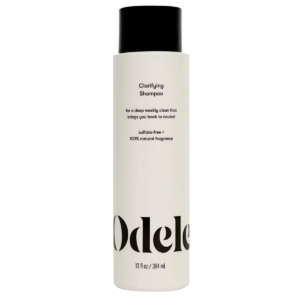
If the buildup you feel is accumulating over wash days, it may be time to clarify. If you don’t have a clarifying shampoo in your wash day rotation, get one.
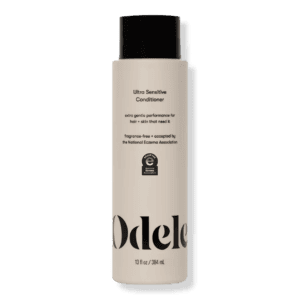
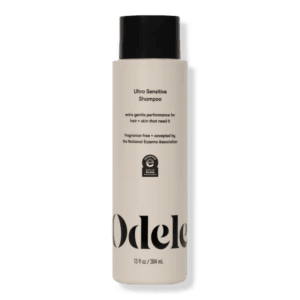
My Best Shampoos and Conditioners post has my picks and what to look for.
Test fairly, which means changing one variable at a time. I know that’s hard, because we get impatient.
When I first tried the Tootilab gel, I used it by itself with nothing underneath, plus my usual shampoo and conditioner. I wanted to see how much hold I could get without other variables at play.
For documenting, I created my Curly Hair Tracker & Planner. It’s an in-depth spreadsheet where you can list what you did, add photos, and track the weather. Photos with a few notes on your phone work too.
My Curl Experiments Series follows this same testing process. In the last one, I used way too much water on one side and not enough on the other. View the difference here.
Look at what changed after your test.
Everything so far is within your control. I call these levers with my clients. If you’ve done all of it and still aren’t getting the results you want, factor in what you can’t control.
None of these are failures. They set your range.
There is a natural ceiling for everything, but most people haven’t tested properly to find it. They changed four things at once, got impatient, or weren’t used to recognizing the signs.
Before you replace a product, diagnose it.
If you’ve gone through this process and the product isn’t right for you, it’s time to find something else. My free How to Pick Gels Cheat Sheet teaches you how gels differ and what to look for based on how your hair feels and your hair goals.
For more problems you can solve on your own, see the rest of my Troubleshooting Series. If you’re still doing a ton of refreshing and restyling, read Why Your Curls Don’t Last Past Wash Day next.
If you try this on your own and still aren’t getting results, that’s what my Group Curl Coaching Program is built for. We do this together.
Think of how much money you’ve spent over the years on the wrong products. If you feel confused and want to change your entire routine all the time, it’s because you don’t have a process in place.
Better curls are achievable for everyone with the right process. You just have to determine what your full curl potential is, and that’s what I help you with.
Early access for my winter program is underway for waitlist members, and doors officially close December 15. I only open enrollment seasonally. Join the waitlist and you’ll get an email with all the details when you can sign up.

Before you toss that curl product and hop to the next one, make sure the product is actually the problem. This is the troubleshooting framework

Today I styled my hair live from start to finish using my Rake, Lift, Define Method, the same way I run guided styling sessions with
There aren’t many fragrance-free curly hair products out there. Add picky criteria on top of that, and the options get even slimmer. So I went
Do your curls feel soft but never last past wash day? Or do they feel brittle, dry, and hard to manage? It’s often not your
Notifications